Milan often gets underestimated. Many travelers treat it as a quick stop between Venice and Florence, but that usually leads to rushed visits and missed experiences. The truth is that the number of days you need in Milan depends on how deep you want to go. Milan is not just about checking off landmarks. It is about neighborhoods, food culture, museums, and how the city changes from morning to night. If you rush it, Milan can feel cold or purely business-focused. If you give it the right amount of time, it becomes one of the most rewarding cities in Italy.
Most travelers need between two and three days to explore Milan properly. One day is possible, but it only works if you are very focused and already comfortable moving around Italian cities. Two days give you balance. Three days allow you to slow down, explore neighborhoods, and enjoy Milan the way locals do. More than three days only makes sense if you plan day trips or have specific interests like fashion, design, or contemporary art.
If you are visiting Milan for the first time and want a structured, walkable plan that covers the essentials without stress, this Milan in Two Days itinerary is a great reference point. It reflects the pace that works best for most travelers and avoids the common mistake of overloading your days.
Planning Milan? Grab the step-by-step digital guide
Understanding Milan Before Choosing Your Trip Length
Milan is different from cities like Rome or Florence. It is less compact, more modern, and built around distinct neighborhoods rather than a single historic core. Attractions are spread out, and many highlights require timed tickets. This means the number of days you need is not just about how many places you want to see, but also about how much waiting, planning, and moving around you are willing to do.
Milan is also a city of layers. The famous landmarks are important, but the real charm often comes from walking through Brera in the evening, watching locals gather along the canals in Navigli, or spending an unhurried afternoon in a museum. Milan rewards travelers who do not rush. That is why two or three days usually feels right, while one day often feels incomplete.
Another factor is booking availability. Some attractions have strict entry rules and limited daily capacity. If you want to see everything on your wish list, you may need extra time just to make the schedule work smoothly.
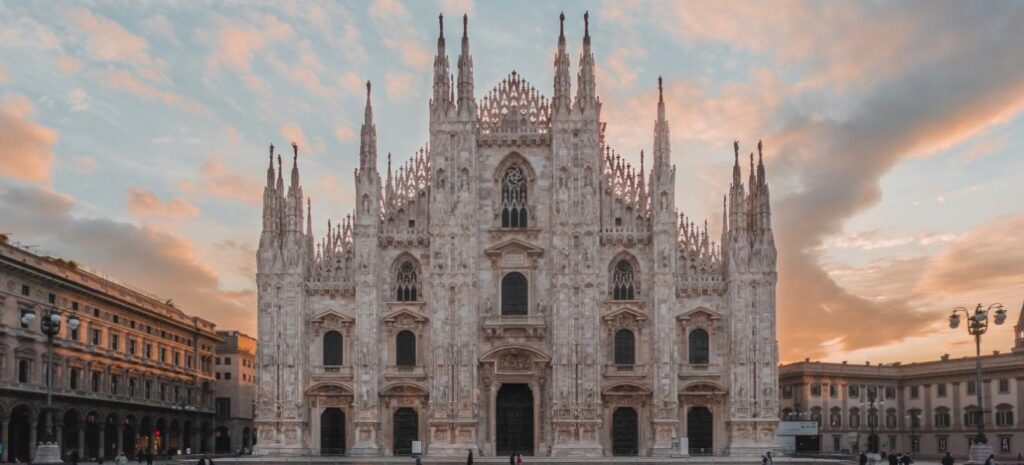
One Day in Milan: What You Can Realistically See
One day in Milan works best for travelers on a tight schedule or those using Milan as a transit hub. In one day, you can see the main landmarks, but you will need to move efficiently and accept that you are getting a highlights-only experience. This option is not ideal if you enjoy museums, long lunches, or wandering without a plan.
A realistic one-day visit usually includes the Duomo area, a walk through the Galleria, and one neighborhood. You will likely skip major museums or choose just one short visit. Meals will be quicker, and evenings will be limited.
| What Fits in One Day | What Usually Gets Skipped |
|---|---|
| Duomo Cathedral interior | Major museums |
| Galleria Vittorio Emanuele II | Slow neighborhood exploration |
| One area like Brera or Navigli | Relaxed dining experiences |
One day can work if you already know Italy well and simply want an introduction to Milan. For first-time visitors, it often feels rushed.
Two Days in Milan: The Best Choice for Most Travelers
Two days in Milan is the most balanced option and the one most travelers should aim for. It gives you enough time to see the iconic sights while also experiencing the rhythm of the city. With two days, you can spread attractions out, avoid rushing, and enjoy Milan beyond its postcard images.
Typically, travelers use the first day for the historic center. This includes the Duomo, the terraces if you choose to go up, the Galleria, and nearby streets. The second day often focuses on a major museum or cultural site and a neighborhood experience, such as Navigli in the evening. Two days allow you to enjoy aperitivo culture, which is an essential part of Milan life.
This is also the shortest trip length that allows flexibility. If something is fully booked or weather changes your plans, you still have options. Two days give Milan space to feel human and livable rather than rushed.
Key Benefits of a Two-Day Stay
- Enough time for landmarks and neighborhoods
- Less pressure with timed tickets
- More enjoyable dining experiences
Three Days in Milan: Ideal for Culture and Neighborhoods
Three days in Milan is perfect if you want to experience both the classic highlights and the modern side of the city. This length works well for travelers interested in art, design, or food, or those who prefer a slower pace. With three days, you can divide your time logically instead of cramming everything into long days.
A three-day visit usually allows for one full day focused on landmarks, one day centered on museums or special attractions, and one day dedicated to neighborhoods. This structure keeps days balanced and prevents sightseeing fatigue. It also allows time for shopping, cafés, and spontaneous discoveries.
Three days is also the safest option if you want to see Leonardo da Vinci’s Last Supper. This visit requires advance booking and runs on a strict schedule. Having an extra day makes it much easier to plan around your assigned time slot.
When Three Days Makes Sense
- You want to visit multiple museums
- You plan to see The Last Supper
- You enjoy slower travel and food experiences
Official tickets for The Last Supper must be booked through the official site: https://cenacolovinciano.org/
Four or More Days: When It Becomes Worthwhile
Milan itself rarely needs more than three days of sightseeing. However, four or more days can make sense if you use Milan as a base for day trips or have very specific interests. Milan’s location makes it ideal for exploring nearby cities and regions without changing hotels.
Travelers often add day trips to Lake Como, Bergamo, Verona, or Turin. These trips are easy by train and can turn Milan into a relaxed hub rather than a rushed stop. In this case, Milan becomes both a destination and a launch point.
Longer stays also work well for travelers interested in fashion, design exhibitions, or business travel mixed with sightseeing. Milan rewards familiarity, and extra days allow you to experience daily life rather than constant sightseeing.
Tickets and Timing That Affect Your Stay Length
One of the most common mistakes travelers make in Milan is underestimating how much booking rules affect their schedule. Some attractions require advance tickets, fixed entry times, and strict rules. These factors often push travelers from one day to two or three days.
The Duomo complex offers several ticket options, including access to the cathedral, museum, and terraces. Rooftop access is timed and popular. Official tickets are available at https://www.duomomilano.it/. Planning this visit carefully can shape an entire day.
The Last Supper visit is even more restrictive. Every visitor must have a reservation, including children. Entry is limited to short time slots, and tickets sell out quickly. This single visit often determines whether a traveler needs an extra day in Milan.
How to Decide the Right Number of Days for You
Choosing how many days to spend in Milan should be based on your travel style, not just a checklist of attractions. If you like efficient sightseeing and moving on quickly, one day may work. If you value atmosphere, food, and walking without pressure, two or three days will feel far better.
Ask yourself how much you enjoy museums, how important relaxed meals are to you, and whether you plan to include day trips. Milan adapts well to different travel styles, but it does not reward rushing.
| Your Travel Style | Recommended Stay |
|---|---|
| Fast-paced, highlights only | 1 day |
| First-time visit, balanced pace | 2 days |
| Culture, food, neighborhoods | 3 days |
| Day trips or special interests | 4+ days |
Getting Around Milan Efficiently
Milan’s public transport system is efficient and easy to use. Trams, metro lines, and buses connect all major areas, which makes longer stays easier to manage. Multi-day transport tickets can save both time and money if you plan to move around frequently.
Many travelers underestimate how walkable Milan is within neighborhoods, while overestimating how walkable it is between them. Mixing walking with public transport is the best approach. Planning your days by area rather than zigzagging across the city will help you make the most of your time, no matter how many days you stay.
By choosing the right number of days and planning realistically, Milan becomes a city that feels approachable, rewarding, and surprisingly warm.
