Are you wondering if it’s safe to drink tap water in Rome during your upcoming trip? As a local who calls the Eternal City home, I’m here to offer trustworthy guidance on Rome’s drinking water, including insider tips on using the city’s famous public fountains. In this comprehensive 2026 guide, you’ll discover everything you need to know about water safety, where to refill your bottle, and how to enjoy refreshing Roman water just like a local. Let’s quench your thirst for information and make your Roman holiday worry-free!
Is Tap Water Safe to Drink in Rome?
As someone who calls Rome home and enjoys showing visitors the city, I’m always asked: can you drink tap water in Rome? Let me reassure you, Rome’s tap water is not just safe to drink, but it’s also famous for its crisp taste and purity. The city’s longstanding tradition of bringing fresh mountain spring water into its urban heart has made the drinking experience unique. From ancient aqueducts feeding historic fountains to strict modern monitoring, Rome’s tap water remains a symbol of quality and reliability. It’s not only safe, it’s part of daily local life. If you’re eager to experience Rome authentically, sipping from a neighborhood fountain is one Roman tradition you shouldn’t miss. Pair your adventures with a thoughtful itinerary, check out this local guide to exploring Rome in three days for inspiration.
Understanding Rome’s Water Sources and Quality Standards
Rome’s reputation for safe tap water stretches back over two thousand years, thanks in large part to its geography and strict adherence to quality standards. Much of the city’s supply originates from springs in the nearby Apennine Mountains, especially from the celebrated Acqua Marcia and Acqua Vergine. These pure waters are channeled directly into the city through both ancient and modern aqueducts, blending tradition and technology for unmatched freshness. Before the water ever reaches a Roman home or one of the iconic public fountains, it undergoes constant analysis, over 250,000 tests are performed annually to ensure it meets or exceeds EU and Italian safety criteria. Locals, myself included, have complete confidence in daily consumption, whether we’re at home, dining out, or filling bottles at a street fountain.
When visitors ask, “can you drink tap water in Rome?” I love sharing that Roman water is not only potable, it’s a point of civic pride! The water’s composition is closely monitored for mineral balance, clarity, and absence of contaminants. Most Romans don’t think twice before filling a glass straight from the tap, which speaks volumes about trust in the city’s infrastructure. This means you can confidently refill your bottle throughout your explorations. And since plastic waste is a growing concern, knowing you don’t need to purchase bottled water keeps your stay more eco-friendly, too. Experiencing everyday routines, like sipping from the same water source as locals, brings you closer to the heart of Roman life.
Planning Rome? Grab the step-by-step digital guide
Discovering Rome’s Famous Drinking Fountains
Stepping through Rome’s bustling streets, you’ll notice charming little fountains dotted almost everywhere, locals call them “nasoni” for their characteristic curved spouts resembling noses. Beyond their quirky look, these drinking fountains have been quenching the city’s thirst for well over a century. With their continuous flow of cold, fresh spring water, nasoni provide a free and sustainable way to stay hydrated as you explore Rome. As a lifelong Roman, I absolutely love showing friends how these neighborhood fountains work and sharing stories about their unique role in our daily lives. Let’s delve into how to find and use them just like a true Roman.
How to Find and Use ‘Nasoni’ Fountains Like a Local
If you’re wandering through Rome and feel thirsty, spotting a “nasone” (plural “nasoni”) can be an absolute delight. The first thing to remember: nasoni are open to everyone and can be found in pretty much every neighborhood, from the heart of bustling piazzas to winding cobblestone alleys. Locals like myself often rely on these fountains during summer strolls or quick commutes, and we’ve got a few tricks for making the most of them. The easiest way to locate one is to look for their signature design, a cast iron column, slightly over a meter high, with a downward-curved spout. Sometimes, you’ll even hear the gentle sound of running water before you see them.
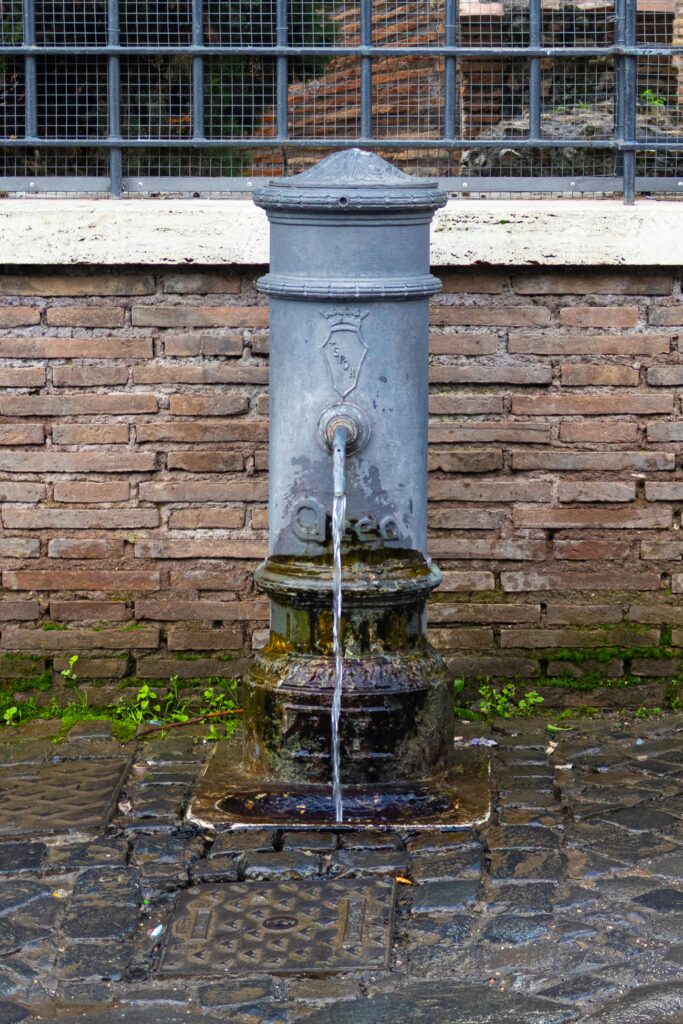
Don’t be shy about approaching a nasone. Place your bottle or hands under the spout and let the cool water flow. For a quick drink without a bottle, cover the lower outlet with your finger, the water will shoot upward through a smaller hole, turning the fountain into a makeshift bubbler! Kids love this, and so do grown-ups who’ve picked up the local knack. If you want to find a fountain nearby, modern maps like Google Maps often mark them as “fontanella pubblica.” There are also apps and online guides dedicated to mapping nasoni locations across the city. I always suggest carrying a reusable water bottle to cut down on plastic waste, using the nasoni is not only practical, but part of what makes exploring Rome feel truly authentic. Take your time, cool off, and enjoy a ritual that connects you with Roman tradition and everyday community life.
Practical Tips for Travelers: Staying Hydrated in Rome
Keeping hydrated while wandering through Rome’s beautiful neighborhoods and historic sites is essential, especially with the Mediterranean sun and the city’s lively pace. Beyond simply knowing that Rome’s tap water is refreshingly clean and widely available, there are local tricks to help you stay comfortable, healthy, and eco-conscious during your trip. From maximizing the network of nasoni fountains to packing the right gear, these insider tips aim to simplify your hydration options and lessen your environmental impact. If you’re hoping to enjoy your Roman adventure to the fullest, it’s wise to prepare in advance and carry a few essentials before hitting the cobblestone streets.
Downloadable Checklist: What to Carry for Safe and Sustainable Hydration
As someone who’s lived her whole life in Rome, I can assure you: a little preparation goes a long way when it comes to hydration. I always advise travelers to carry a lightweight, reusable water bottle, preferably one with a good seal to prevent leaks in your bag. With more than 2,500 nasoni fountains scattered across Rome, that bottle will get plenty of use. Stainless steel bottles do a fantastic job of keeping your water cool as you dash between the Colosseum, Piazza Navona, and the Vatican. You’ll save money, cut down on plastic waste, and be ready for the spontaneous stops locals love to make at their favorite fountains.
Along with your bottle, tuck a small microfiber towel or cloth inside your daypack, it’s handy for drying your hands or wiping off any accidental drips when using the nasoni. On hot summer days, consider bringing electrolyte tablets, especially if you plan to cover a lot of ground (the Romans are great walkers!). If you’re traveling with children, a collapsible cup or bottle for them makes filling up at lower spouts easier and more fun. Sometimes, local pharmacies and supermarkets also stock compact water filtration straws for extra peace of mind, though Rome’s water quality doesn’t require them. Last but not least, download a map or app highlighting public fountain locations, these digital aids help visitors find a refreshing stop even in the small backstreets. This simple checklist not only keeps you hydrated and comfortable but also lets you participate in Rome’s storied water tradition just like a local, blending sustainability with daily Roman life.
Here are a few more helpful tips to make staying hydrated in Rome both safe and environmentally friendly:
- Carry a reusable water bottle to refill at Rome’s public drinking fountains, called “nasoni,” found throughout the city.
- Check for signs indicating potable water before drinking from any fountain, as not all are suitable for consumption.
- Plan refill stops into your sightseeing schedule, especially during hot summer days, to avoid dehydration.
- Choose insulated bottles to keep your water cool as you explore Rome’s sunny streets and historical sites.
- Avoid purchasing single-use plastic bottles whenever possible to help reduce plastic waste in the city.
- Download maps or apps that highlight the locations of free water fountains in Rome for added convenience.
- If you have doubts about water quality, consider carrying water purification tablets or a portable filter for peace of mind.
Staying mindful of hydration and sustainability helps make your Roman adventure enjoyable and environmentally responsible!
Cultural Insights: The Roman Approach to Water and Hospitality
For us Romans, water isn’t just something we drink, it’s woven into how we connect with each other and welcome visitors. The tradition of offering water runs deep, echoing back to ancient times when elaborate aqueducts and fountains turned water into a public art form and a social equalizer. Today, inviting someone to fill their bottle from a local fountain or bringing a cool glass of tap water to the table isn’t just courteous, it’s the Roman way of saying you’re home here. I’ve always found this approach creates a unique sense of belonging, even for those seeing Rome for the first time. Whether you stop to enjoy a nasoni fountain with a neighbor or share a chat with the barista while your water pitcher is refilled, you’ll notice that water access remains democratic, everyone’s welcome, always.
That spirit of hospitality is still central to our city. You’ll see it in piazzas where strangers gather around public fountains on a summer afternoon, or when restaurants happily top up your bottle without a second thought. Sharing Rome’s fresh water is about generosity and community, a little daily ritual that reminds us of our shared history and present. My advice: when in Rome, don’t just drink the water, embrace the ritual, savor the conversations, and allow yourself to feel at home, no matter where you’re from. Trust me, it’s these moments that reveal the true heart of Roman hospitality, and you’ll leave with more than just refreshed lips, you’ll walk away with a taste of local life.
