Visiting Rome is a dream come true, but many travelers wonder about the city’s tipping customs. As a local, I know firsthand that understanding when and how much to tip can make your experience smoother and more enjoyable. In this guide, I’ll break down everything you need to know about tipping in Rome, from cafes and restaurants to taxis and tours, so you can navigate every situation with confidence and respect. Whether you’re aiming to show appreciation or simply avoid awkward moments, you’ll find practical and friendly advice right here.
Understanding Tipping Culture in Rome: A Local Perspective
Many travelers arrive in Rome with questions about the expectations surrounding tipping, or “la mancia”, in daily life. As someone who calls Rome home, I’ve seen countless visitors pause after a meal or a taxi ride, unsure whether they should reach for their wallet or simply offer a heartfelt “grazie”. To truly understand why tipping customs here may differ from what you’ve experienced elsewhere, you’ll want to explore the fascinating cultural backdrop that’s shaped how Romans approach gratuities. Let’s take a closer look at these traditions so you can feel confident and at home during your Italian adventure.
Historical Roots of Gratuities in Italian Society
If you’ve ever wondered, “do you tip in Rome?”, it helps to travel back through Italy’s social and economic past. Historically, the Italian approach to tipping is deeply influenced by centuries of hospitality, yet it diverges from the cultures of countries like the United States or the UK. Italians have always prided themselves on warm, attentive service, but not necessarily with the expectation of an extra monetary reward. My grandparents would often reminisce about the days when personal connections and mutual respect, rather than tips, formed the heart of service exchanges. In fact, hospitality was, and still is, an integral part of our culture. Offering guests delicious food, exceptional wine, and a welcoming atmosphere was simply the Roman way, a reflection of “la bella figura,” our collective pride in making a good impression.
Planning Rome? Grab the step-by-step digital guide
The roots of gratuities in Italy stretch back to the time of the Roman Empire, when generosity was viewed more as a noble virtue than an obligatory transaction. Historical accounts show that Roman families and tradespeople often engaged in acts of reciprocal gifting, a bottle of olive oil for help with a harvest, a loaf of bread for good company, rather than strictly monetary gratuities. This mentality lingered well through the centuries. In the postwar period, as Italy modernized and urban life took hold, service industry jobs expanded, but the tradition of tipping didn’t quite match the American or British models. Instead, workers’ compensation was mostly factored into wages and, over time, “coperto” and “servizio” charges became common on restaurant bills. These fees covered table service and were seen as more equitable, aligning with the Italian value that everyone, even those who couldn’t afford large tips, should enjoy the same warm welcome and attentive care.
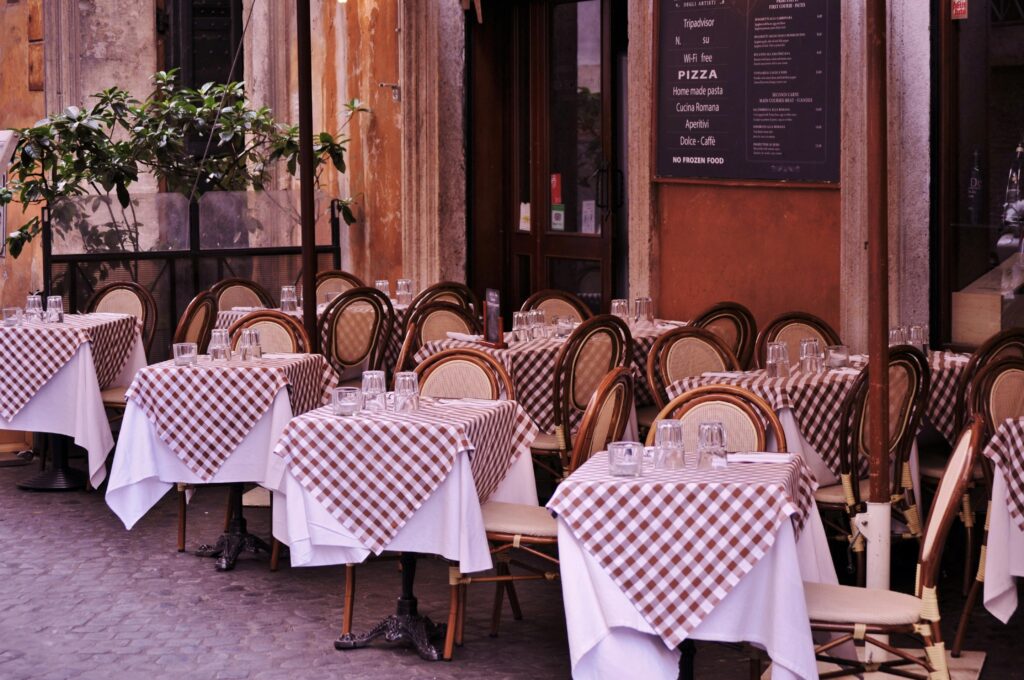
Even today, you’ll notice that tipping in Rome carries a different tone. If you’re sitting outside a bustling trattoria near the Pantheon or enjoying an espresso at a local bar, nobody will bat an eyelash if you don’t leave a tip. Service staff, by and large, don’t rely on gratuities to supplement their income. You’ll see that most Romans round up the bill or leave a few coins as a gesture, especially if they felt looked after or lingered a little longer than usual. This is where understanding “do you tip in Rome” becomes important for travelers: the act isn’t mandatory, but rather discretionary and rooted in appreciation, not obligation.
It’s also worth noting that gratitude in Rome often goes beyond the financial. Genuine thanks, a kind word, a smile, or even a return visit, counts for a lot in our thriving neighborhoods. For example, at my favorite local bakery, I’ll often receive an extra biscotto or a wink from the nonna behind the counter, simply because I remember her name and take the time to chat. Such exchanges foster community, reinforcing that, here in Rome, relationship-building far outweighs the transactional nature of traditional tipping found elsewhere. If you’re keen to get along with locals and be welcomed as more than just another tourist, showing appreciation with your words and gestures can be just as meaningful as any tip left on the table.
Ultimately, understanding the historical roots of gratuities in Rome helps set realistic expectations for your visit. You’ll be well-prepared to navigate modern-day customs, knowing that if you decide to tip, it’s a reflection of your enjoyment and gratitude, not a social requirement. If you’d like a head start on blending in and making the most of your Roman holiday, check out our Rome in Three Days itinerary, which is packed with insider tips to help you embrace local customs and savor authentic experiences at every stop. After all, when in Rome, the best way to honor tradition is to do as the Romans do, offer kindness and gratitude, with or without spare change.
Tipping in Restaurants and Cafés: What Travelers Should Know
Dining out in Rome is a delightful experience, but the customs around tipping can surprise visitors who are used to different habits back home. As a local, I’ve often watched travelers hesitate at the end of a meal, wondering if and how much to tip. Here in Rome, courtesies and appreciation for good service are shown in distinct ways, and it’s essential to understand what’s actually expected from guests. From traditional trattorias to bustling sidewalk cafés, knowing the ins and outs of service charges and appropriate gratuities ensures you show respect while fully savoring each meal in the Eternal City.
Service Charges and When to Leave Extra Cash
One of the first things you’ll notice when eating out in Rome is the presence of a “coperto” or “servizio” on your restaurant bill. The “coperto” is a cover charge, typically a few euros per person, and it’s meant to cover the cost of bread, table settings, and sometimes even the pleasure of simply occupying a seat in a bustling dining room. Some restaurants also add a “servizio” charge, usually around 10-15%, indicating that service is included. This can sometimes confuse visitors, especially those from countries where tip amounts are standard and always expected as a supplement to workers’ pay. Trust me, it’s not just you who’s puzzled at first, I still catch friends raising an eyebrow at their bill, unsure what each line means.
So how do you know when (or if) you should leave additional cash? If the “servizio” is already itemized on the bill, there’s genuinely no expectation for more; the staff are being paid a fair wage, and that charge covers attentive service. If there’s just a “coperto,” you’re not obliged to leave anything extra either, but rounding up the bill, especially for exceptional service, is a common gesture among locals. For example, if your meal comes to €27 and you thoroughly enjoyed your cacio e pepe and the waiter’s warm welcome, consider leaving €30. That simple round-up shows appreciation without feeling excessive or out of place.
The custom shifts when you visit smaller cafés or grab your coffee at the bar counter, a quintessential Roman ritual. Here, tipping is rare to nonexistent. Most Romans will pay exactly what’s on the receipt, and baristas don’t expect spare change, though a coin or two left in the small tip jar for particularly friendly or efficient service is always greeted with a heartfelt “grazie.” If you’re indulging in a leisurely sit-down coffee or enjoying multiple rounds of drinks with friends and you feel especially looked after, leaving loose change is a nice touch, but by no means required.
Now, if you’re heading to more upscale, tourist-oriented spots, say, overlooking Piazza Navona or along Via Veneto, service staff are accustomed to a higher flow of international guests who may tip out of habit. These restaurants may either include “servizio” or subtly expect a bit of extra cash for highly attentive or personalized service, even though it’s not official policy. That said, it’s important not to feel pressured; tips here are still gestures of appreciation, not obligations. If you’re pleased with your meal and want to recognize your waiter’s effort, adding 5-10% to the total is a thoughtful maximum. Anything beyond that simply isn’t necessary and may even seem out of step with Roman sensibilities.
I’ve seen travelers worry about offending staff by not tipping as they would back home, but believe me, the most valued “tip” you can give in Rome is often your genuine enjoyment and polite words. Compliment the cook, thank your server by name, or simply flash a warm smile, it’s those little touches that bring you closer to experiencing Rome as the locals do. Of course, if you become a regular or linger over your table long after your plates are cleared, a small extra tip (say, rounding up to the next €5) is an excellent way to express gratitude without feeling like you’re breaching social etiquette.
One last tip from my own Roman routine: check your bill before slipping cash into the bill tray. Tipping by card is uncommon in Italy, as most point-of-sale systems don’t allow for adding gratuity during the transaction. If you do decide to tip, leave it in cash on the table after you’ve settled your main bill. You’ll blend in with the locals and send a clear, appreciative signal to your server. Ultimately, the best restaurant and café experiences in Rome come from mutual respect and good company, not a calculator and a sense of obligation. So relax, enjoy your food, and tip modestly when moved to do so, you’ll be following truly Roman traditions.
Here are a few more practical tips to help you manage bills and tipping during your dining experiences in Rome:
- Check whether “coperto” (cover charge) or “servizio” (service charge) is already included on your bill before tipping.
- If paying by card, ask whether tip can be added before you finalize the transaction, as some places only accept cash tips.
- Rounding up the bill to the nearest euro is often appreciated and avoids the hassle of small change.
- For coffee at the bar, no tip is expected; if seated, leaving small change is a nice gesture.
- When in doubt, observe locals or discreetly ask your server about tipping norms for that establishment.
- It’s not customary to split the bill in Italy; let your server know in advance if you need separate checks.
- Don’t feel pressured to tip large amounts—modest gestures are considered polite and sufficient.
With these guidelines, you’ll find dining in Rome both enjoyable and worry-free, blending in with local customs effortlessly.
Navigating Tipping Etiquette in Rome’s Hotels
Staying at a hotel in Rome is often a highlight for travelers, but the process of tipping staff can feel confusing if you’re not familiar with local customs. Throughout your stay, you’ll encounter a variety of hotel workers who go out of their way to make you comfortable, yet the Roman approach to gratuities remains distinct from more tip-centric destinations. Understanding who, when, and how much to tip ensures your gestures are received in the spirit of Roman hospitality, thoughtful, appropriate, and never excessive. Here’s my breakdown as a local, balancing appreciation and cultural authenticity for a seamless hotel experience.
Who and When to Tip During Your Stay
If you’ve just checked into your hotel, you’ll likely be greeted with warm smiles and polite conversation from the front desk staff, the porters, and sometimes a doorman who’ll hold open a grand wooden door. As a Roman, I see countless travelers facing the classic challenge: whom do you tip, and exactly when? Let’s walk through a typical guest’s journey and shine some light on the subtleties, so you can show genuine appreciation without feeling awkward or out of place.
First off, hotel porters deserve a quick mention. These are the friendly folks who offer to take your bags to your room, a gesture often met with uncertainty from visitors. In Rome, porters do appreciate a small tip, especially if you have multiple heavy bags or need help outside of normal check-in hours. The most natural moment to tip is after your luggage is safely in your room. A couple of euros per bag, usually €1-2 each, strikes the right balance between generosity and what’s customary here. If you travel light or insist on handling your own bags, don’t worry, no one will take offense if you skip this entirely.
Housekeeping is slightly different. Unlike some countries where daily tips are the norm, Romans are more reserved. Here, I always say that tipping housekeeping is appreciated but not expected, particularly in smaller, locally run hotels. If you’ve enjoyed exceptional service, perhaps you received extra towels, thoughtful turndown touches, or creative arrangements of your children’s toys, a tip left on your pillow at the end of your stay is a meaningful way to say thanks. €5-10 for several nights is generous, and leaving cash in an obvious spot with a short note (“Grazie!” scribbled on hotel stationery works wonders) ensures the right person receives it.
Concierges in Rome are often invaluable, especially if they secure hard-to-get museum tickets, book a table at a sought-after trattoria, or organize private tours. You don’t need to tip for basic advice or a quick map, but if they’ve gone above and beyond, a tip of €5-10 is appreciated. Give it at the end of your stay or immediately after the service is rendered, depending on what feels natural. In truly high-end hotels, you might see larger amounts, but that’s more about the venue’s clientele than typical Roman practice.
Don’t forget about the breakfast staff or bartenders if your hotel has a lounge or in-house café. Most Romans don’t tip for an included buffet breakfast. However, for à la carte service or if someone regularly prepares your cappuccino just the way you like it, leaving a couple of euros on your last morning is a lovely gesture. It’s not required, but it’s a beautiful way to recognize familiar faces who remember your preferences and brighten your mornings.
As for hotel management, don’t feel pressured to tip unless they’ve intervened to resolve a major issue or orchestrated something truly memorable for you. Personal thanks, a handshake, or even a glowing online review carries significant weight in hospitality circles here.
To keep things authentic: bring small denomination euro notes and coins to avoid scrambling at awkward moments. Tipping, when done with a smile and a heartfelt “grazie mille,” is always welcome, just don’t stress about calculating percentages or mimicking American-style customs. In Rome, appreciation is shown in small, spontaneous gestures rather than standardized amounts.
Having lived here all my life, I can reassure you: Romans value authenticity and warmth over flashy or obligatory displays of gratitude. When you tip thoughtfully, acknowledging people’s efforts rather than adhering to strict rules, you’ll blend seamlessly into the local rhythm. Above all, remember that your genuine recognition, whether spoken, written, or in coins, leaves a lasting impression and fosters those special connections that make travel so memorable. Looking beyond the hotel doors, you’ll find similar fluidity with drivers and other service professionals across the city, a topic I’ll guide you through as you tackle Roman transportation and airport transfers next.
Transportation Tips: From Taxis to Airport Transfers
Moving around Rome is an adventure in itself, whether you’re weaving through the city’s winding streets in a traditional taxi, hopping into a modern rideshare, or settling in for an airport transfer at dawn. While the local approach to tipping in restaurants and hotels may already feel refreshingly relaxed, the transportation scene comes with its own nuances and expectations. As someone who calls this city home, I’ve gathered plenty of first-hand insight to help travelers navigate the etiquette of showing appreciation to drivers, understanding when gratuity is deserved, and making your journey both smooth and respectful. Let’s explore practical advice for tipping drivers across all the ways you might travel from point A to point B in the Eternal City.
Practical Advice for Tipping Drivers and Rideshare Services
Getting around Rome by car is nearly a tourist rite of passage. Taxis and rideshare services like Uber or local providers can save you time and hassle, but tipping etiquette can feel a bit like navigating a maze for first-time visitors. Having grown up here and watched both seasoned Romans and curious travelers share rides across the city, I can assure you that tipping customs for drivers are also defined by cultural nuance rather than rigid percentages. So, what do you need to know to feel comfortable, confident, and courteous during your journey?
First, let’s talk about classic taxis. Roman taxis are everywhere, from sleek white cabs lined up outside Termini station to those flagged along busy boulevards. Generally, tipping your taxi driver isn’t mandatory, and drivers do not expect a tip in the way that, for example, their American counterparts might. Instead, most locals will round up the fare: if your meter reads €13.50, simply hand over €15 and say “tenga il resto” (keep the change). This gesture is always appreciated, especially if the driver has helped with luggage or navigated a particularly tricky route, say, sidestepping traffic near the Colosseum during rush hour. I recommend keeping a few small bills and coins on hand for this, since drivers typically don’t carry much change and it spares both you and your driver any awkwardness.
When it comes to airport transfers, whether that’s Fiumicino, Ciampino, or even a private hire to Civitavecchia port, the standards are a bit different. These journeys often have a fixed fare, especially from the city center to the airports, so it’s easy to see what’s owed before you step out of the car. Here, rounding up or adding €2-5 for extra assistance, promptness, or helping you handle a mountain of luggage is a thoughtfully Roman thing to do. Unlike hotel porters or waiters, drivers don’t generally rely on tips to supplement their income, but your acknowledgment of good service won’t go unnoticed. If your driver is especially helpful, maybe they offer a friendly explanation of local neighborhoods or accommodate an unexpected stop along the way, a few extra euros are the best way to express gratitude.
Now, rideshare apps like Uber, Free Now, or ItTaxi are increasingly popular, especially among younger Romans and tech-savvy travelers. Most apps provide an option to tip directly through the platform after your ride is complete. Here, the “rounding up” approach is still the norm. A couple of euros added within the app, especially for safe driving, patience during peak hours, or help with heavy bags, is perfectly appropriate. If you find yourself in an Uber after a late night in Trastevere or an early-morning airport run, simply use the in-app feature to send your thanks, no need for cash exchanges unless you genuinely prefer it.
I’m often asked if you should ever tip more generously, and my answer is: be guided by genuine service. If your driver goes above and beyond, offering insider tips, helping with a stroller, or rescuing you from rain outside the Pantheon, it’s never out of place to express thanks with a slightly larger gesture. That said, avoid feeling pressured or uncomfortable. The local style is modest and discreet, reflecting appreciation but never obligation.
One important tip I always share: clarify the fare before you get in. Official taxis must use the meter for city rides and supply a receipt upon request. If a driver suggests a flat price for a city journey, politely ask for the meter instead, especially in touristed areas. For airport or cruise transfers, rates are set by the city and posted both in the cab and online. There’s rarely any ambiguity, but it never hurts to double-check, clear communication upfront avoids surprises and ensures any expression of gratitude is for real service, not a clever surcharge.
If you’re traveling with a group, splitting the tip is customary and efficient. Romans traveling together will usually agree on the extra euro or two beforehand, handing it over together at the end. As for luggage, expect to pay a tiny supplement for extra bags on longer airport journeys, but only tip extra if the driver is noticeably helpful or patient. For very brief rides or when traffic delays arrival, don’t feel compelled to tip more to compensate; after all, patience is part of Roman life, and drivers appreciate understanding more than extra coins for delays beyond their control.
The key takeaway is to let your personal experience guide you. A smile, a polite word, and a genuine “grazie mille” do as much as a cash tip in making the encounter pleasant for both you and your driver. Remember, tipping in Rome’s transportation world isn’t about meeting a fixed standard, but about recognizing effort in a way that feels natural and kind. Next time you slide into a Roman taxi or step out after a pre-dawn airport run, you’ll know exactly how to show your appreciation, local style.
Suggested Tipping Amounts in Different Situations
Every traveler wants to feel assured they’re neither overdoing nor under-appreciating service when it comes to tipping in Rome. Having guided friends and family through Roman etiquette for years, I’ve learned the value of clear, practical advice on what to leave in specific settings, particularly since customs here are more about subtlety and spontaneity than following a rigid formula. Think of tipping in Rome as not just about numbers, but about authentic gestures that mirror local values.
Restaurants and Cafés: Rome’s dining landscape is lively and diverse, ranging from elegant terraces to cozy trattorias. If you’re grabbing a quick espresso at the bar, there’s no need to tip at all, most Romans don’t, and a simple “grazie” suffices. For table service in a café, a coin or two left for friendly or extra attentive service (usually €0.50-€1) is a pleasant surprise, but still not required. When it comes to restaurants, first scan your bill for “servizio” or “coperto.” If one is present, there’s generally no need to add more; these cover the main aspects of service and table settings. When you feel genuinely delighted by a meal or the staff’s warmth, simply round up the bill or add up to 5-10%, with most locals usually keeping it closer to just a few euros. So, if your bill is €46, it’s absolutely normal to leave €50 and a kind word.
Hotels: As you settle into your Roman home-away-from-home, tipping etiquette can feel daunting but there’s no need for anxiety. Porters appreciate €1-2 per bag, given directly after luggage delivery. Housekeeping staff, if you leave a tip at all, will find €5-10 left at the end of your stay plenty generous for several nights; adding a sweet note like “grazie” makes it heartfelt. For concierges who go above and beyond, miraculously landing you last-minute Vatican tickets, for example, €5-10 is a lovely gesture. In upscale hotels, you might see more, but don’t let that set undue expectations; smaller gestures are warmly received across most Roman hotels. Breakfast servers and bartenders appreciate loose change or a couple of euros at the end of your stay, especially if they’ve gone out of their way to prepare a favorite drink or remember your preferences.
Taxi Drivers and Private Transfers: For taxis hailed in the city or reserved in advance, locals typically round up the fare to the nearest euro or leave an extra €1-2 if the ride was pleasant or the driver helped with bags. For airport transfers, particularly with private drivers or when prearranged through your hotel, a tip of €2-5 acknowledges assistance with heavy luggage or a smooth, conversational ride. In general, drivers never expect American-style percentages; your rounding up is the unmistakable sign of local appreciation.
Rideshare Services: With more Romans and visitors turning to Uber or Free Now, tipping in-app is a discreet and welcome option. Adding €1-2, especially for attentive or safe service, follows the unwritten local standard. Don’t overthink it, if you feel the service was just as expected, you don’t need to tip at all, and drivers won’t hold it against you.
Guides and Tours: Joining a city walking tour, Vespa adventure, or food experience? Professional guides may hint that no tip is required, but if you’ve enjoyed the outing or learned something new, €5-10 per person makes for a thoughtful thank-you on a group tour. For private tours with deeply personalized attention, a €10-20 tip (per group, not per person) is appreciated but never preemptively assumed.
Other Everyday Services: Hairdressers, barbers, and beauty salons might see you rounding up your bill by €2-5, especially for excellent service. If you’ve formed a rapport, like when my favorite stylist does extra work or offers advice, it’s always nice to recognize their skill, but even a kind word works wonders. For delivery drivers bringing pizza or groceries, a tip is rare, but leaving €1-2 for rain, traffic, or late-night service is both neighborly and appreciated.
Ultimately, Rome is a city where gratitude is expressed more often in warmth and words than in set amounts. My best advice? Let your gut and your experience be your guide, and carry a few coins or small bills so you’re ready to respond naturally to genuine, above-and-beyond care. With this approach, you’ll not only show thoughtful appreciation but also connect in a truly Roman way, ensuring your kindness is remembered long after your euros have been spent.
Ready to embrace more of Rome the way we locals do? Keep these practical tips in mind and focus on slowing down, savoring every moment, and letting small gestures speak volumes. You’ll be welcomed as a guest, and maybe even as a friend, wherever your Roman adventure takes you.
