Frascati winery tastings are an easy half-day trip from Rome, but the transport arrangements make a significant difference. Some experiences include a driver from your Rome hotel, while others expect you to take a regional train from Roma Termini and meet the winery’s representative at Frascati station. A tasting with snacks may take around 90 minutes to two hours at the estate, while experiences combining a vineyard visit, town walk and farmhouse lunch often last three to five hours, excluding travel from Rome.
Before booking a Frascati wine tour from Rome, establish exactly what “pickup included” means. It might refer to your hotel, a central Rome meeting point or a short transfer from Frascati railway station. You should also confirm whether the food is a small tasting board, an aperitivo or a proper lunch, and whether the advertised duration includes the journey back to Rome.
What happens during a Frascati winery tasting?
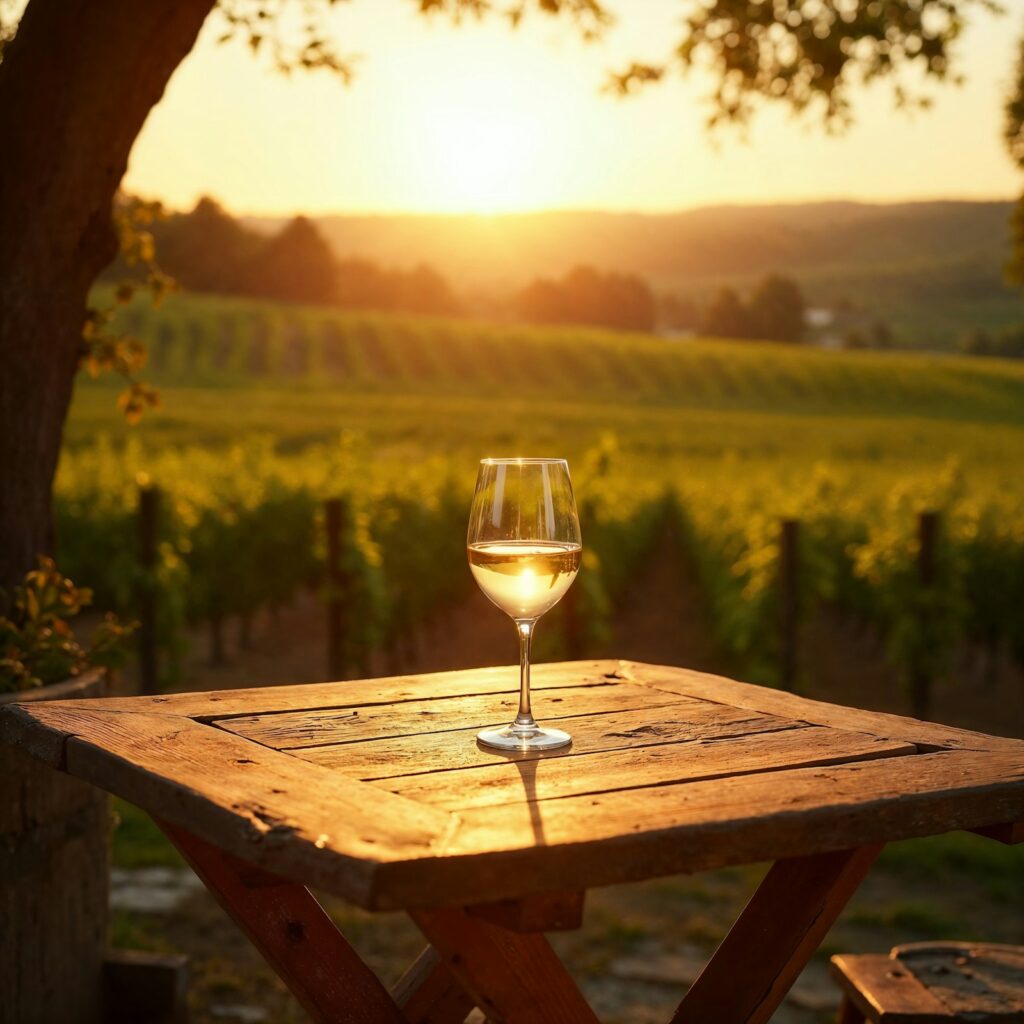
Frascati lies in the Castelli Romani hills southeast of Rome, in a wine-producing area with volcanic soils and a long history of viticulture. The town itself has restaurants, wine bars and historic streets, while many of the vineyards and wineries are situated outside the center.
Most winery experiences involve a guided introduction to local wine production, a visit to part of the estate and a tasting of several wines. Some add olive oil, cheeses, cured meats or a farmhouse meal.
A typical visit may follow this sequence:
- Meet the host at the agreed location and travel to the winery, if a transfer is included.
- Visit the vineyard, cellar or production area, depending on access and weather.
- Learn about the local grape varieties and winemaking methods.
- Taste a selection of wines with explanations from the host or tasting specialist.
- Eat the included snacks, tasting board or meal.
- Return to the town, railway station or Rome pickup point according to the booking.
Not every experience includes all these stages. A short tasting may take place in a dedicated tasting room without a vineyard walk, while a longer experience may combine several locations and a cooked lunch.
Ask how much of the visit takes place in the vineyard and production areas rather than at the tasting table. A winery visit and a wine-tasting appointment can be quite different activities.
Understand the three pickup arrangements before booking
The word “transfer” causes more confusion than almost any other part of a Frascati wine excursion. An operator may include transportation within Frascati without providing any transport from Rome.
1. Hotel pickup in Rome
Some private wine experiences arrange a driver to collect you from a Rome hotel or another agreed city address, take you to the winery and return you afterward.
This is the most convenient format when you prefer not to manage train times or local transport. It can be particularly useful for a group, for travelers with mobility limitations or for anyone who wants to taste wine without arranging the return journey independently.
However, “hotel pickup” may be limited to central Rome. If you are staying near the Vatican, outside the city center or in a restricted-traffic area, ask whether your exact address is covered.
Provide the full street address, including the building number. For a holiday apartment, also mention any pedestrian-only access or difficulty stopping outside the entrance.
Confirm that the quoted price includes the return journey. Some experiences describe pickup prominently but specify the final drop-off arrangements separately.
2. A fixed meeting point in Rome
Shared group tours sometimes begin at a specific square, metro station or another easily identified location in Rome. The operator then transports the group to the winery by minibus or coach.
This can be less expensive than a private hotel transfer because several participants share the vehicle.
For example, a published Frascati-region wine excursion uses Piazza dei Re di Roma as its Rome meeting point, with transport arranged from there. This is different from being collected at your accommodation.
Ask for the exact address and the time you must arrive. Some tours require check-in before the advertised departure.
Also confirm where the vehicle returns. An excursion finishing at its original meeting point may leave you needing a metro or taxi ride to your hotel.
3. Pickup at Frascati railway station
Several winery operators expect visitors to travel from Rome by train and provide only the short transfer between Frascati station and the estate.
This arrangement can offer good value because the rail journey is relatively short. It also allows you to spend some time in Frascati town before or after the tasting.
For example, Minardi Frascati Winery’s published experiences include collection at Frascati station and transportation to its farmhouse. The company distinguishes between different pickup times for its shorter lunch experience and its longer town-and-winery tour.
This matters because arriving at the station does not necessarily mean the transfer will depart immediately. Some packages provide time to explore Frascati before the winery shuttle arrives.
Ask whether the representative waits outside the station, whether a sign is displayed and which phone number to call if you cannot locate the driver.
Do not book a station-pickup experience assuming it includes transport from Roma Termini. The rail ticket is often your responsibility and is usually excluded from the tasting price.
Taking the train from Rome to Frascati
Trenitalia operates regional trains between Roma Termini and Frascati on the FL4 branch. The journey generally takes around 30 minutes, making it practical for a half-day outing.
The train terminates at Frascati station, below the town center. From there, you can walk uphill toward the historic center or meet the winery’s arranged transfer.
Check the timetable for your actual date using Trenitalia’s official Castelli Romani rail information and its journey planner.
Do not assume departures operate every 20 or 30 minutes throughout the day. This is a relatively small regional branch, and gaps between services can be significant.
When booking, follow this sequence:
- Confirm the winery’s required meeting time at Frascati station.
- Find a train that arrives comfortably before the pickup.
- Check the return train options before paying for the tasting.
- Allow time to walk back to the station if the tour ends in Frascati town.
- Save the winery’s contact number in case the train is delayed or cancelled.
If you purchase a standard Trenitalia Digital Regional Ticket, it is automatically validated at the scheduled departure of the selected train. You no longer need to perform the older manual digital check-in procedure. Ordinary paper regional tickets still need validation before boarding.
The official Trenitalia regional-ticket guidance explains the different ticket types and their rules.
Can you walk from Frascati station to a winery?
Do not assume you can. The historic town is within walking distance of the railway station, but many winery estates are outside the center along local roads.
The distance may be too long or the approach unsuitable for walking, particularly where there are narrow road shoulders, hills or limited pavements.
Check the actual estate address rather than searching only for “Frascati winery” on a map.
If the tour does not provide a station transfer, ask the winery how visitors normally reach the property. Options may include a prearranged local driver or a taxi, but availability should be confirmed in advance.
For the return journey, do not rely on finding an unbooked taxi outside a rural property. Arrange collection before the tasting begins.
How long does the whole excursion take?
A winery’s advertised duration often begins when the tasting or guided visit starts, rather than when you leave your accommodation in Rome.
The following are useful planning categories, although each operator has its own itinerary.
One and a half to two hours: winery visit and tasting
A relatively short estate experience may include a vineyard or cellar introduction, several wine samples and a small food pairing.
For example, Merumalia advertises a winery visit with three wines, extra virgin olive oil and a board of local cheeses and cured meats. Its English-language page describes a two-hour experience, while its Italian page gives approximately an hour and a half. Confirm the scheduled duration directly when booking.
This format works when your priority is tasting wine and learning about production rather than sitting down to a full meal.
If you travel independently from Rome, add the train journey, the local transfer and the time needed to return.
Around three hours: tasting with farmhouse lunch
A three-hour experience may include a vineyard walk, cellar tour, guided tasting and lunch.
Minardi’s published farmhouse tasting-and-lunch experience, for example, lasts approximately three hours and includes local food, wines, olive oil and internal transfers from Frascati.
This format makes sense when you want the tasting to replace lunch. Confirm the amount of food served and whether the wine tasting and lunch are separate parts of the experience.
Four to five hours: town visit, winery and lunch
Longer experiences may begin with a guided walk through Frascati town, followed by a short vehicle transfer to the winery.
At the estate, you may visit the vineyards and cellar, taste wines and eat a prepared lunch before returning to the town.
Minardi’s longer town-and-farmhouse experience, for example, is advertised at approximately four hours, with the town visit, tasting, lunch and local transfers included.
These experiences can occupy much of the day once travel from Rome is added. If the tour itself lasts four hours, allow for the outbound train, time before pickup, return transfer and the next available train home.
Private wine excursions with transport from Rome
A private outing may combine a shorter tasting with road transport in both directions. Depending on the operator, the advertised duration can include all transportation or refer mainly to the time at the destination.
Ask for the expected hotel departure time, winery arrival, tasting start, departure from Frascati and return to Rome.
This is more useful than relying on a single label such as “three-hour private wine tour.”
Which wines will you taste in Frascati?
Frascati is particularly associated with white wines. The local production area has three important protected wine denominations: Frascati DOC, Frascati Superiore DOCG and Cannellino di Frascati DOCG.
DOC stands for Denominazione di Origine Controllata, while DOCG adds Garantita. These designations identify wines that meet defined production requirements associated with a particular geographical area.
Frascati DOC and Frascati Superiore DOCG
Frascati’s dry white wines commonly use varieties of Malvasia, together with other permitted white grapes such as Bellone, Bombino and Trebbiano.
Frascati Superiore DOCG has more specific production requirements and may be offered alongside regular Frascati DOC during a tasting.
Expect the host to explain the differences in grape varieties, production methods, aromas and taste. The exact wines depend on the estate and which bottles are currently available.
The official Frascati Superiore DOCG information from Valoritalia provides details of the protected production area and links to the wine’s production rules.
Cannellino di Frascati DOCG
Cannellino di Frascati is a sweet white wine, traditionally associated with ripe grapes and a richer style than the area’s dry whites.
It can be an interesting addition to a tasting, especially when served with dessert. However, not every winery produces it or includes it in the standard selection.
If you would specifically like to try Cannellino, ask whether it appears on the tasting menu before booking.
Red wines from the Castelli Romani
Although Frascati is particularly associated with white wine, several estates also produce red wines using regional grapes, including Cesanese.
Some red wines offered at a Frascati estate may carry a different designation, such as an IGP, rather than the Frascati DOC or DOCG designation.
A tasting may therefore include local white wines, a regional red and a sweet wine. Ask how many different wines are served and whether the selection includes the particular styles you want to explore.
Does the tasting include food?
Most winery experiences include some food, but the quantity varies considerably. A small cheese board and a three-course lunch should not be treated as equivalent simply because both listings say “food included.”
Italian terms can help you understand what is being offered:
- Degustazione: A tasting, usually involving wine and possibly small food pairings.
- Tagliere: A board of cheeses, cured meats or other prepared foods.
- Aperitivo: Drinks served with snacks or small dishes, typically before a main meal.
- Antipasto: A starter, which may include vegetables, cheeses, cured meats or bruschetta.
- Primo: A first course, commonly pasta, rice or soup.
- Secondo: A main dish, often involving meat, fish or another substantial preparation.
- Pranzo: Lunch.
A description of an aperitivo may indicate enough food for a light snack, while a pranzo package should provide a more substantial meal.
Before booking, ask for the actual menu and whether food is served individually or shared between participants.
Wine tasting with snacks
A short tasting may include local cheese, cured meats, bread, bruschetta and olive oil. The winery might serve several wines with small portions intended to demonstrate food pairings.
Some wineries produce their own extra virgin olive oil and include an explanation of how it is made.
This format is appropriate when you want to learn about wine production but already have lunch or dinner plans elsewhere.
Do not expect a snack-based tasting to replace a proper meal unless the operator specifically describes the portions as substantial.
Wine tasting with farmhouse lunch
A farmhouse lunch may include several antipasti, a pasta course, wine, water and dessert. Other estates offer a more elaborate meal with a main course and individual wine pairings.
For example, Minardi’s published town-and-winery experience includes a prepared farmhouse lunch following its wine and olive-oil tasting. A separate private Frascati experience sold through Romeing offers a four-course lunch with wine pairings.
These are different dining arrangements, so compare the number of courses and the total time allowed for eating.
If lunch is important to your group, ask whether the menu is prepared on-site and whether all drinks are included. Some experiences serve additional wine during lunch, while others restrict the tasting to a fixed number of glasses.
Cooking experiences with wine tasting
Some Frascati wineries combine tasting with a pasta, pizza or focaccia lesson.
These usually take longer because the group prepares food before eating. A pasta-making session may include rolling dough, preparing shapes and enjoying the finished dishes at lunch.
Choose this type of activity when cooking is part of your interest. If you mainly want to learn about wine, a simpler vineyard and tasting experience may provide more time for discussing the wines themselves.
Vegetarian, vegan and gluten-free requirements
Many wineries can modify their food menus with advance notice, but the possibilities vary between estates.
A vegetarian tasting board might replace cured meats with additional cheeses, vegetables or other suitable foods. Vegan participation requires more planning because cheese and meat appear frequently in traditional farmhouse menus.
Some operators explicitly advertise vegan and gluten-free alternatives when requested during booking. This should be confirmed for the specific experience rather than assumed to apply across every winery.
For celiac disease, ask about cross-contact during preparation. Replacing ordinary pasta with gluten-free pasta does not necessarily make a shared kitchen suitable for someone who must strictly avoid gluten.
Under EU food-information rules, businesses serving non-prepacked foods must provide information about specified allergens in their products. That requirement does not guarantee an allergen-free preparation environment.
Wine itself can also require checking. Some wines contain sulphites, and certain winemaking processes may use animal-derived fining agents. If you require vegan wine or need to avoid a particular substance, ask the winery about the bottles it intends to serve.
For a serious food allergy, obtain written confirmation of the ingredients and the provider’s ability to manage cross-contact. If the winery cannot explain the necessary precautions, choose a different experience.
How much does a Frascati winery tour cost?
Prices depend on how long the experience lasts, the amount of food served, group size and whether transportation from Rome is included.
Current published examples illustrate the difference between service types:
- Winery tasting with lunch and local transfer: Minardi currently lists approximately €64 per adult for its three-hour farmhouse tasting and lunch experience, with transport between Frascati station and the estate included.
- Town walk, winery visit and farmhouse lunch: Its longer four-hour experience is advertised at approximately €74 per adult, excluding the train between Rome and Frascati.
- Private excursion with Rome pickup: Romeing currently lists a private classic tasting at €150 per person for two participants, including transportation between Rome and the estate.
- Private excursion with a full lunch: The same provider lists its four-course wine-pairing lunch at €200 per person for two participants, with lower per-person rates for larger groups.
These are examples of individual advertised prices in 2026, rather than standard rates for the Frascati area. Prices, availability and inclusions may change, particularly for later travel dates.
When comparing quotations, remember that a €74 tasting requiring you to arrange the train is a different product from a €150 experience that includes a private vehicle from Rome.
For two adults, the difference may be substantial. For a group of six, a private vehicle and tasting may become more competitive on a per-person basis because the transportation cost is shared.
Request the final total for your actual group, including any children, before deciding.
What should be included in the price?
A clear booking confirmation should distinguish the tasting itself from transportation and optional extras.
- The number of wines and approximate tasting format.
- A vineyard walk, cellar tour or production-area visit, if advertised.
- An English-speaking host or tasting specialist.
- All food included in the chosen package.
- Water and any non-alcoholic alternatives.
- Transport from Rome, if specifically advertised.
- Transport between Frascati station and the estate, if included.
- The return journey and agreed drop-off point.
- Any additional fees for private groups.
- Applicable taxes and booking charges.
Ask whether the tasting includes three wines, four wines or another clearly defined selection. A phrase such as “selection of estate wines” may describe a fixed lineup rather than unrestricted tasting.
Bottles purchased to take home are usually charged separately. Similarly, premium wine upgrades or additional glasses may cost extra.
Can children join a Frascati winery tasting?
Some wineries welcome families, particularly when the experience includes a farmhouse lunch, vineyard walk or cooking activity.
However, age policies and pricing vary between operators. A winery that allows children to accompany adults may not offer activities specifically designed to keep them entertained.
Italy prohibits selling or serving alcohol to people under 18. The Italian Ministry of Health explains the national age restriction.
If you are booking with children, ask whether they can participate in the non-alcoholic parts of the visit and whether juice, water or another suitable drink is provided.
Some providers advertise reduced prices for children. These may include lunch and non-alcoholic drinks rather than the adult wine-tasting package.
For younger children, also confirm:
- Whether a stroller can be used on the vineyard paths.
- Whether high chairs are available.
- Whether a children’s meal is offered.
- Whether there is a safe place to sit during the tasting.
- Whether the cellar visit includes stairs or narrow passages.
- How long children will need to remain seated.
A short tasting with a casual lunch may suit a family better than an extended technical wine session that involves long explanations and several flights of cellar stairs.
Accessibility and walking around the vineyard
Winery accessibility varies considerably. Some estates have modern tasting rooms and relatively level entrances, while others occupy historic farmhouses with gravel courtyards, uneven paths and underground cellars.
A vineyard tour may involve walking on dirt, loose stones or sloping ground. These conditions can become more difficult after rain.
If someone uses a wheelchair, walking frame or cane, ask the winery about the exact route and whether a step-free alternative is available.
Useful questions include the distance between the parking or pickup area and the tasting room, whether there are stairs to the cellar, and whether an accessible restroom is available.
If the vineyard walk is not manageable, ask whether the guest can remain in the tasting area while the rest of the group tours the grounds.
Also consider the transfer vehicle. A minibus that requires passengers to climb several steps may create a problem even when the tasting room itself is accessible.
For a private booking, describe the traveler’s specific mobility needs before paying and request confirmation that the entire experience, including pickup and return, is suitable.
What is the best time of year for a winery visit?
Frascati wineries offer different experiences throughout the year, but vineyard conditions and outdoor comfort change with the seasons.
Spring
Spring can be pleasant for walking through vineyards as the growing season begins. Temperatures are generally milder than in midsummer, although rain can affect outdoor activities.
For a March or April visit, ask whether the tasting room is heated and whether the vineyard walk continues in wet weather.
Summer
Summer offers long daylight hours, but outdoor vineyard visits may be hot, particularly around midday.
Ask how much time is spent outside and whether the estate provides shade and drinking water.
If you are particularly sensitive to heat, a morning tasting or an experience concentrating on the cellar and indoor tasting room may be more comfortable.
Late summer and autumn
Late summer and early autumn are associated with the grape harvest, called vendemmia in Italian.
Harvest timing varies with the weather, grape variety and estate. Visiting in September does not guarantee that you will see workers picking grapes or operating the winery’s production equipment.
Some estates may restrict access to working areas during harvest for safety or operational reasons. Others offer special harvest experiences, sometimes with separate pricing.
If seeing the harvest is a priority, ask what activities are actually included rather than relying on the season alone.
Winter
Winter tastings can still be enjoyable, particularly when the experience includes a historic cellar and indoor lunch.
However, the vineyard landscape is different, outdoor walking may be less comfortable and some operators reduce the frequency of particular experiences.
For example, some cooking-and-wine packages advertise special minimum group sizes or advance arrangements during the winter months.
Check the calendar for your actual date rather than assuming the summer schedule continues throughout the year.
Shared tasting or private winery experience?
A shared tasting is generally more economical and appropriate for one or two travelers who are comfortable joining other visitors.
You will usually follow a fixed schedule and tasting selection, and the host may need to keep explanations moving so the group finishes on time.
Ask for the maximum group size and whether the tasting takes place around one shared table or in separate seating groups.
A private tasting may offer greater flexibility over wine selection, pace and the questions you ask. It can also be practical for a family or group with specific dietary or mobility needs.
However, private does not always mean that the whole winery is reserved for you. Other visitors may still be present on the estate.
Ask whether the booking provides a dedicated guide, private tasting room or simply an appointment reserved for your group.
If you want a more technical discussion of grape varieties and winemaking, confirm that the person leading the tasting has the appropriate knowledge and that the itinerary allows sufficient time.
Should you drive to the winery?
Driving can make it easier to reach a rural estate, but it creates an obvious difficulty when the main activity involves tasting alcohol.
If your group has a non-drinking driver, traveling by car may be convenient. Confirm parking availability and whether the winery’s access road is suitable for your vehicle.
Otherwise, arrange a driver or use the train and an included local transfer.
Do not assume that eating lunch after tasting several wines makes someone fit to drive. Alcohol affects judgment and coordination, and Italy enforces drink-driving limits.
For visitors whose main reason for the excursion is sampling wine, arranging transportation before the tasting is the safer and simpler choice.
What if your train is late or cancelled?
Train disruption matters most when a winery shuttle is waiting at Frascati station for a scheduled group arrival.
If you miss that pickup, the operator may be unable to send another vehicle immediately. Some experiences begin with a timed town walk, while others require everyone to reach the estate together.
Before booking, ask whether the winery monitors train arrivals and what happens if the selected regional service is delayed or cancelled.
For a private appointment, rescheduling may be possible. For a shared group tour, the guide may need to begin on time.
If you encounter a problem:
- Check the service status in the Trenitalia app or at the station.
- Contact the winery or tour provider immediately.
- Explain your expected arrival time and provide the train number.
- Ask whether the transfer can wait, whether a later pickup is possible or whether you should arrange alternative transport.
- Confirm any extra charges before accepting a replacement transfer.
Do not assume that a railway delay automatically entitles you to a refund from the winery. The tasting provider and train operator have separate booking conditions.
For further practical guidance on regional tickets and train changes, see the Italy on Foot guide to train travel in Italy.
Cancellation policies and deposits
Cancellation terms differ between shared tastings, private excursions and experiences requiring a dedicated vehicle or meal preparation.
Some providers allow cancellation without charge until 24 or 48 hours before the scheduled activity. Others require earlier notice or retain a deposit once the reservation is confirmed.
For example, Romeing’s currently published private Frascati winery experience offers a refund when cancelled at least 48 hours before the scheduled appointment, with no refund for later cancellations or no-shows.
That policy belongs to the specific service and should not be assumed to apply to other wineries.
Before booking, ask what happens if:
- Your travel plans change.
- A train delay prevents you from reaching the pickup point.
- The winery cancels the appointment.
- Heavy rain makes a vineyard walk impossible.
- The planned lunch menu becomes unavailable.
- Someone in your group becomes ill.
- Your group size changes after payment.
- You need to switch to a different date.
For a private transfer, also confirm whether changes to the pickup address or departure time create additional charges.
How to plan the tasting around your Rome itinerary
A Frascati winery outing generally works best as the main activity for a morning or afternoon, rather than something fitted between two timed attractions.
If you are traveling by train, allow time to reach Roma Termini, find the platform and arrive in Frascati before the meeting time. Remember that the winery’s local shuttle may have its own schedule.
After the tasting, you might spend some time in Frascati town before returning to Rome. Its historic center has cafés, restaurants and viewpoints, including the terrace overlooking the Roman countryside.
You can use the Italy on Foot trip planner to organize the outing alongside your other Rome activities, including the journey to Termini and your return from Frascati. Record the winery’s actual pickup point and return time rather than simply noting the tasting’s start and finish.
Avoid scheduling a non-refundable evening activity too close to your expected return. A delayed lunch, missed regional train or slow journey back into Rome can affect the rest of the day.
Buying wine at the winery and bringing it home
Many wineries offer bottles for purchase after the tasting. Some also sell olive oil or other products made on the estate.
You are not normally required to purchase bottles simply because you have attended a tasting. If this is unclear, ask whether bottle purchases are optional.
For international travelers, consider luggage restrictions before buying several bottles.
Wine is liquid, so ordinary cabin-baggage security rules may restrict what you can carry through airport screening. Checked baggage is often the more practical option, with bottles protected against breakage and packed within the airline’s weight limits.
Airport security rules differ between departure points, and the customs allowances in your destination country may also matter.
Some wineries can arrange shipping, but availability depends on the destination, shipping regulations and the products being sent.
Ask for the shipping cost, estimated delivery time, applicable taxes and who is responsible if bottles are damaged or delayed.
When you may not need a guided winery tour
If your main goal is simply to drink a glass of local wine and enjoy lunch outside Rome, a full winery excursion may be unnecessary.
Frascati town has restaurants, wine bars and traditional fraschette, places associated with local wine and casual food.
You can travel independently by train, walk around the center and choose where to eat or drink without paying for a guided winery visit.
That may be more economical and flexible, especially if you have only a few hours available or do not want to organize transport to a rural estate.
A dedicated winery tasting becomes more useful when you want to understand how the wine is produced, see the vineyards and cellar, compare several wines and speak with someone knowledgeable about the local varieties.
If you choose to visit an estate independently, remember that many wineries require advance reservations and may not accept walk-in visitors. Check before traveling out of town.
Questions to ask before booking a Frascati winery tasting
Send the provider your preferred date, group size, accommodation area and any dietary or mobility requirements. Then confirm the arrangements that will affect your day.
- Where exactly does the experience begin?
- Does pickup mean our Rome hotel, a central meeting point or Frascati station?
- If we travel by train, which arrival time should we choose?
- Are train tickets included, or must we purchase them separately?
- Is transportation between Frascati station and the winery included in both directions?
- Where does the tour finish, and at what approximate time?
- Does the advertised duration include travel from and back to Rome?
- Will we visit the vineyards and cellar, or only the tasting room?
- How many wines will we taste, and which styles are included?
- Is Cannellino di Frascati or another sweet wine available?
- Is the food a small snack board, an aperitivo or a full lunch?
- Can you provide the planned menu?
- Can you safely accommodate our specific food allergies or dietary requirements?
- Are non-alcoholic drinks and appropriate meals available for children?
- What are the minimum age and child-pricing arrangements?
- Is the estate accessible for someone with limited mobility?
- Are there steps, gravel paths or uneven surfaces on the tour?
- Will the experience take place in English?
- How many other guests will participate?
- What is the final price, including transfers, food, taxes and booking fees?
- What happens if our train is delayed or the planned pickup is missed?
- What are the cancellation and rescheduling conditions?
For travelers who want an affordable half-day excursion, a winery tasting with lunch and a confirmed Frascati station transfer is a practical starting point. Choose a private Rome hotel transfer when minimizing travel arrangements is worth the additional cost. In either case, get the exact pickup point, complete food menu, tasting duration and return arrangements in writing before paying. The most expensive booking mistake is assuming that transportation from Rome and a full meal are included when the package actually covers only a tasting and a short local transfer.