Planning a trip to Rome? Whether you’re staying in an apartment, want to save money, or just love picking up perfect picnic supplies, learning how grocery shopping works in Rome will make your stay a lot smoother. Using local supermarkets, markets, and specialty food shops is a brilliant way to enjoy the city like a Roman. This easy guide will walk you through all you need to know, friendly advice, Italian grocery shopping basics, and where to snag everything from fruit to pasta. If you want to make the most of your Roman adventure, don’t forget to plan your days with our detailed Rome itinerary too.
Supermarkets in Rome: Where to Shop and What to Expect
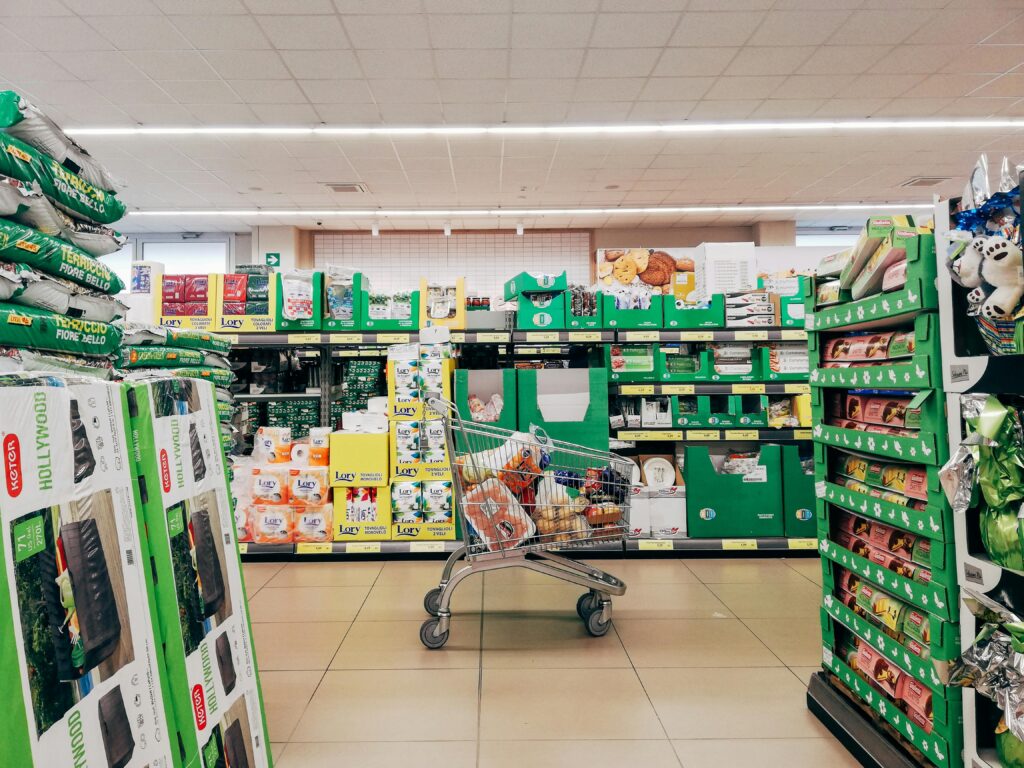
Rome is packed with supermarkets, so you’ll never be far from a place to grab essentials. You’ll see a few names pop up everywhere, and it helps to know the differences:
- Budget supermarkets: Eurospin, Todis, and Lidl offer reliably good value, with discounts on basics like pasta, fresh bread, fruit, and Italian treats.
- Mid-range stores: Conad and Coop are widespread, known for fair prices, solid selection, and a good range of private-label products (great quality, often Italian-made).
- More upscale supermarkets: PAM, Elite, and Carrefour are easy to spot in central neighborhoods, often carry specialty imports and high-end Italian brands, but you’ll pay a bit more.
Most supermarkets offer a full range, from packaged snacks and bottled water to deli treats, fresh fruit, and amazing local cheese and meat. If you have special dietary needs, larger supermarkets (especially Conad and Coop) are usually best for gluten-free, vegan, and vegetarian staples. Look for “senza glutine” on packages for gluten-free foods or check the signs for organic (“bio”) products.
Planning Rome? Grab the step-by-step digital guide
When you’re shopping for groceries in Rome, keep in mind that local supermarkets often operate on a split schedule: a morning opening, a break in the early afternoon, then reopening until the evening. However, big city center supermarkets and chains (like Carrefour Express) are often open all day and sometimes even late into the night. On public holidays, hours can change, especially with smaller shops, so always check before making a special trip.
Neighborhood Food Shops and Alimentari: A True Roman Experience
Alongside the large supermarkets, you’ll spot little shops everywhere, these are the “alimentari.” These family-run corner stores feel like a step back in time. They are perfect for fresh bread, local cheese, cured meats, and pantry items. Many also have a deli counter where you can pick up freshly-sliced prosciutto, cheese, and sometimes ready-to-eat foods.
Specialty shops in Rome are a real treat. You’ll find bakeries (panetterie), butchers (macellerie), cheese shops (latterie or caseifici), and even dedicated pasta shops. These are often higher quality than supermarkets and give you a taste of true Roman life. The prices can be a little higher, but the quality and service make up for it, perfect for grabbing picnic supplies or an authentic aperitivo back at your accommodations.
Shopping at an alimentari is easy, but remember the items are mostly behind the counter, not self-serve. Just say what you need or point, and the staff will gladly help. It’s common to order “un etto” (100 grams) when ordering deli meat or cheese, and most shopkeepers are happy to let you try a small sample before buying, but it’s respectful to buy something if you do taste.
Exploring Rome’s Food Markets: The Heart of Local Flavors
Rome’s food markets are legendary. With more than 100 across the city, from huge covered markets to outdoor neighborhood stalls, you’ll always find fresh Italian produce, bread, cheese, and meat. Visiting a Roman market is a must, not only do you get great prices, but you’ll see the city’s food culture in action.
Popular Food Markets in Rome
| Market | Neighborhood | Specialties |
|---|---|---|
| Mercato di Campo de’ Fiori | Historic Center | Classic open-air market, fresh fruit, veg, spices |
| Mercato di Testaccio | Testaccio | Huge range, famous for produce, local snacks |
| Mercato Trionfale | Near Vatican | One of the largest, great fish and cheese |
| Mercato Centrale Roma | Termini Station | Trendy, foodie stalls, artisanal bites |
| Nuovo Mercato Esquilino | Esquilino | International foods, huge produce variety |
Most Roman food markets open Monday to Saturday in the morning and usually close by lunchtime or early afternoon. Many are closed Sundays, but a few, like the “Farmer’s Market” at Via San Teodoro (close to Circus Maximus), open on weekends only. Because hours can change, always double-check before you visit, especially if you’re planning to go out of your way.
Shopping at a market can look a little different from back home. For fruit and vegetables, you usually choose what you want and hand it to the vendor to weigh and price. At some stalls, vendors prefer to select for you, so always watch others or ask, “Posso scegliere?” (Can I choose?). For cheese, salumi, and fresh pasta at counters, ordering by weight (etti or grammi) is standard. And just like in alimentari, many market vendors are happy to offer a taste if you’re interested in something new, but buy what you try!
Gourmet Shopping and Specialty Stores: Eataly and More
For the ultimate gourmet food experience in Rome, Eataly is your go-to. Located in the Ostiense neighborhood, not far from Ostiense station, Eataly is a multi-level food hall packed with everything from artisan pasta and local honey to fine wines, cheese, and sweets. It’s a bit pricier than a regular supermarket, but perfect if you want edible souvenirs or to splurge on a Roman treat. You’ll also find small organic stores (look for signs saying “bio”), especially in central and trendy areas, which feature organic jams, gluten-free pasta, and health food snacks.
Shoppers who follow vegan, gluten-free, or bio (organic) diets won’t have much trouble in Rome. All the big supermarkets now carry at least a modest selection of gluten-free foods (try the Schär brand). Bio stores, including chains like NaturaSì, offer an even wider variety, from vegan cheese to alternative milks. Just keep in mind that specialty stores may have shorter hours, so check before your visit.
If you want something truly unique from Rome for your picnic or as a gift, specialty shops around Campo de’ Fiori, Trastevere, and the Jewish Ghetto are legendary for their range of artichokes, cheeses, salumi, dried pasta, biscotti, and olive oils.
How Italian Grocery Shopping Works: Tips for Travelers
Shopping in Rome is easy once you know a few basics. Inside supermarkets, you’ll usually need a coin (50 cents or 1 euro) or a plastic token for the grocery cart. Grab a basket or cart, stroll the aisles, and when you check out, you’ll pack your own groceries. Italy banned free bags long ago, so bring a reusable bag, if you forget, you can always buy a biodegradable one (including small ones for fruit or bread) at the checkout for a few cents.
In fruit and veg sections, use the plastic gloves provided and pick your produce. At most places, you need to weigh your own items, use the scale, input the code from the item’s price sticker, and the machine will print a barcode sticker to put on your bag. In some smaller shops or open markets, the staff will select and weigh for you, just follow the local custom.
- Reusable bags are a must–handy, planet-friendly, and you’ll fit in with locals.
- Italian cashiers expect you to bag your own shopping. There’s rarely anyone else at the end of the counter!
Supermarkets in busy areas of Rome can get crowded after work and on Saturdays, so try to shop during the late morning or early afternoon for a quicker, calmer trip. During public holidays, supermarkets might open in the morning but close early, while family-run alimentari and markets are more likely to be closed all day. Pharmacies and convenience stores are often the only places open on major holidays, and you might not find much grocery selection there.
What Does Food Cost? Rome Grocery Price Basics
Costs in Rome’s supermarkets can be reasonable, especially compared to eating out for every meal. Discount chains like Eurospin or Lidl offer great value, especially for pasta, milk, eggs, sauces, and snacks. Central city supermarkets and gourmet stores have higher prices–but if you’re staying in tourist-heavy areas, even your local corner Conad will stock what you need.
Sample Prices in a Roman Supermarket
| Item | Typical Price Range (EUR) |
|---|---|
| Pasta (500g package) | 0.60 – 2.00 |
| Fresh bread (per piece/loaf) | 1.50 – 3.00 |
| Milk (1 liter) | 1.00 – 1.60 |
| Local cheese (per 100g) | 1.50 – 2.80 |
| Salumi (per 100g) | 2.00 – 3.50 |
| Bottle of water | 0.20 – 0.60 |
| Bottle of wine | 2.50 – 8.00 (basic table wine) |
For a big grocery shop, expect to spend €40-70 for a week of breakfast, lunch, and a few dinners for two people if you shop at budget chains; a bit more in central or gourmet stores. With most travelers buying supplies for meals-in or picnics, you’ll notice a big difference in your budget compared to eating out every meal.
Online Grocery Shopping and Delivery in Rome
Don’t feel like going out to the store? Online grocery shopping is a growing trend in Rome and hugely convenient, especially if you’ve just arrived or have luggage to handle. Many chains offer their own websites or smartphone apps with home delivery: Carrefour, Coop, Conad, and Italia’s Everli are among the most popular. Some larger stores even provide same-day or next-day delivery windows.
When you shop online, you simply add your items, pay online or at delivery, and your groceries show up at your door, perfect for apartments, Airbnb stays, or families. Note that delivery minimums and charges vary, so check the store’s official site for the latest details and to place your order:
Keep in mind, many grocery delivery services may need a local phone number or require you to be there in person when they deliver. If you book a serviced apartment or hotel, ask the host if they can receive groceries on your behalf.
Travel Tips: Making Your Rome Grocery Experience Smooth and Fun
A few great travel tips can make a big difference in your Rome shopping adventures. Here’s what travelers should keep top of mind:
- Always bring a reusable shopping bag with you. It’s convenient, and stores will charge for even the smallest plastic bags.
- If you shop at markets, try to pay with small bills or coins.
- At markets and delis, it’s OK to ask to taste, but don’t sample too many things without buying something.
- Shopping early means the best selection, especially for produce, bread, and market stalls.
- For the freshest basics, try local bakeries and fruit stands for breakfast supplies.
- If you are unsure about a product, just ask, most shopkeepers and market vendors appreciate a friendly smile and effort in Italian, but you’ll get by with English and gestures.
If you’re planning to cook, stock up on local pasta, olive oil, fresh tomatoes, herbs, and cheese for a “DIY” Roman meal. For snacks and picnics, assembled plates of salumi and cheese, bakery bread, and fruit from the market are the perfect way to embrace “la dolce vita.”
Grocery Shopping in Rome
| Where to Shop | Best For | Pro Tips |
|---|---|---|
| Supermarkets | Everyday basics, snacks, drinks | Bring a bag, check opening hours |
| Alimentari | Fresh bread, cheese, deli foods | Order at the counter, ask for “un etto” |
| Markets | Fresh produce, street food, cheese, fish | Go early, bring small bills, follow local etiquette |
| Specialty and Bio Stores | Organic, vegan, gluten-free, gourmet gifts | Shorter hours, best for special diets |
| Online Delivery | Convenience, late arrivals, apartments | Order in advance, check delivery hours |
Grocery shopping in Rome is both practical and fun, it’s a fantastic window into Roman daily life, whether you’re browsing a supermarket aisle or chatting with a local vendor at a buzzing city market. Sticking to these tips will help you shop confidently for breakfast supplies, picnic fixings, snacks, or DIY Roman dinners. Don’t be afraid to ask questions, try something new, and make grocery shopping part of your Roman holiday memories!
