Planning your dream trip to Rome? This comprehensive travel guide will help you discover the best times to visit the Eternal City, ensuring you make the most of its stunning weather, iconic attractions, and vibrant culture. Whether you’re seeking ideal sightseeing conditions, unforgettable festivals, or insider tips for beating the crowds, our expert insights will help you experience Rome at its absolute best. From the picturesque streets of Trastevere to the awe-inspiring Colosseum, find out when to explore Rome for maximum enjoyment, comfort, and value, plus practical tips for creating your ultimate Roman holiday.
Understanding Rome’s Seasonal Climate
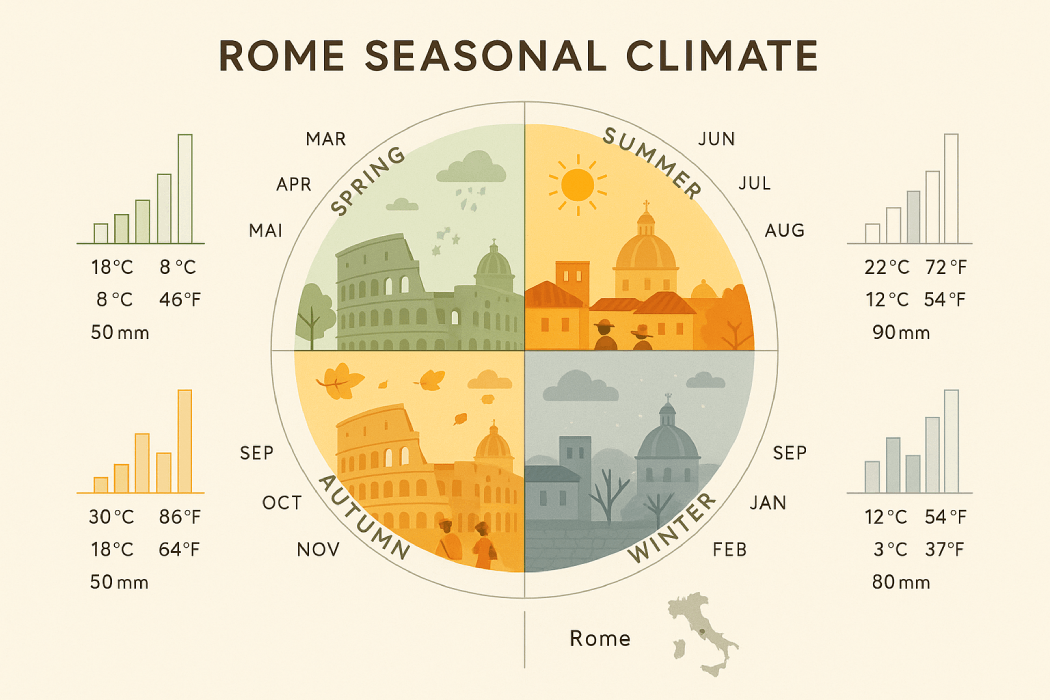
Rome’s unique climate shapes the heartbeat of the city and sets the stage for every traveler’s experience. Whether you’re planning romantic strolls through ancient ruins or hoping to savor gelato in sun-soaked piazzas, the weather plays a crucial role in crafting your memories. By understanding the nuances of Rome’s seasons, you can tailor your trip for optimal comfort, sightseeing opportunities, and vibrant local life. We’ll explore how varying temperatures and rainfall impact daily activities, provide context for when to visit Rome, and help you pack smarter for your adventure. Knowing Rome’s weather patterns will ensure your visit lives up to its legendary allure.
How Weather Impacts Your Experience Throughout the Year
The weather in Rome dramatically influences not only what you can see and do, but also your overall enjoyment, crowd levels, and even your budget. Spring delivers pleasantly warm days and blossoming gardens, making it one of the most popular times when to visit Rome. Sightseeing feels effortless as the mild temperatures encourage exploration from the Colosseum to the Vatican without the discomfort of summer’s heat. Summer, on the other hand, bathes Rome in sunshine, but temperatures frequently climb above 30°C (86°F). While the long daylight hours are appealing, the midday sun can make outdoor excursions and queuing for attractions more exhausting. Smart travelers schedule early morning or late afternoon sightseeing, punctuated by refreshing gelato breaks or a shaded lunch.
Planning Rome? Grab the step-by-step digital guide
Autumn brings a golden light and cooler air, perfect for leisurely wandering through historic streets as the city’s pace slows after the summer rush. Restaurants start offering richer seasonal fare, allowing you to taste Rome’s fall flavors without the crowds of peak travel months. Winter is comparatively quieter, with brief but chilly days. Many major attractions sparkle with festive decorations, and you’ll find shorter lines, ideal for those who prefer a slower, local-centric experience. Embracing Rome’s seasonal shifts means experiencing the city’s famous landmarks from a fresh perspective every time you visit. For travelers planning their itinerary, linking to resources like a Rome in two days itinerary helps maximize your stay, whatever the season. By considering how the climate impacts every aspect of your journey, you can discover the best time to unlock Rome’s magic.
To help you maximize your Roman adventures year-round, here are some smart seasonal suggestions:
- Arrive early at popular sites in summer to beat both the crowds and the midday heat.
- Take advantage of spring’s mild weather by exploring Rome’s gardens, like the Borghese Gardens.
- Enjoy autumn’s harvest by sampling local specialties at food markets and trattorias.
- Pack layers in winter, and experience major landmarks with fewer tourists.
- Check local calendars for seasonal festivals, from Easter celebrations to Christmas markets.
- Book attractions and tickets in advance, especially during peak seasons.
- Savor gelato or espresso at street-side cafés tailored to the season’s vibe.
With these tips, you’ll soak up Roma’s atmosphere and charm no matter when you visit!
Peak Tourist Seasons and Crowd Levels
Rome’s rhythm isn’t dictated by weather alone, seasonal surges of tourists and quieter lulls shape the city’s pulse throughout the year. Travelers craving vibrant city energy, bustling landmarks, and lively piazzas often gravitate toward Rome’s peak seasons, while those seeking a relaxed, local vibe may prefer its slower periods. Navigating the ebb and flow of crowds can make all the difference in your experience, from the ease of booking accommodations to the depth of your immersion in Roman culture. Understanding how visitor numbers shift as the months unfold helps you discover Rome on your own terms, minimizing hassles and maximizing delight.
What to Expect During High and Low Tourist Periods
Planning your visit to Rome with an awareness of tourist periods can transform your experience from frantic to fulfilling. High tourist seasons, especially late spring through early autumn (May to September), see Rome at its busiest and most exuberant. The city’s iconic attractions like the Colosseum, Vatican Museums, and Trevi Fountain magnetize swathes of travelers, leading to bustling streets and long queues. Hotels and restaurants tend to raise prices in response to demand, and spontaneity may take a backseat as reservations and skip-the-line tickets become essential. The plus side? Rome buzzes with international spirit, alfresco dining spots brim with laughter, and outdoor events are in full swing. If you thrive on energy and don’t mind navigating crowds, this is when Rome wears its most sociable face.
In contrast, low tourist periods, typically late autumn through winter (November to March, excluding holidays), offer a quieter, more intimate Rome. Attractions are far less crowded; you might find yourself spending extra moments in front of masterpieces or easily landing prime seats in neighborhood trattorias. Accommodations often drop in price, presenting budget-friendly opportunities for longer stays or upgraded lodgings. The overall pace shifts, allowing you to soak in local routines like a morning espresso at an unfussy bar or meandering through festive markets without jostling crowds. Yet, some shops reduce their hours, and certain attractions may undergo maintenance, so planning ahead remains vital. Whichever period you choose, understanding these rhythms ensures your journey aligns with your personal travel style, leaving you more room to savor the Eternal City on your own terms.
Highlighting Rome’s Seasonal Events and Festivals
Experiencing Rome means embracing its calendar of iconic events and traditional festivals, which are woven into the fabric of local life. The city’s seasonal celebrations offer a vibrant showcase of Roman culture well beyond its timeless ruins and picturesque streets. From grand religious ceremonies and open-air concerts to lively food fairs and neighborhood parades, these happenings shape the character of each season and provide travelers deeper insight into the city’s soul. By timing your visit with these cultural highlights, you’ll discover a side of Rome that locals cherish, one that brings together ancient rituals, modern artistry, and unforgettable communal joy.
Top Cultural Happenings That Shape Your Visit
Rome’s cultural calendar brims with events that not only punctuate the year but also immerse visitors in uniquely Roman traditions. Kicking off the spring is the city’s reverent celebration of Easter, when historic churches hold elaborate masses, and the Pope presides over moving ceremonies at the Vatican. Pilgrims and travelers alike flock to St. Peter’s Square to participate in the storied Via Crucis (Way of the Cross) at the Colosseum, an evocative blend of history and faith. This season also welcomes Primavera Romana, as Rome’s public gardens and archaeological parks transform with outdoor concerts and art exhibits, ideal for those wanting to blend culture with the city’s renewing warmth.
Summer’s cultural pulse is set by the Estate Romana, a citywide festival that fills balmy nights with open-air theater, movie screenings by the Tiber, and music in Renaissance courtyards. Campo de’ Fiori and Piazza Navona come alive with street artists and pop-up food stalls, while midsummer brings the ancient Festa de’ Noantri, a beloved neighborhood parade featuring music, processions, and local street food in Trastevere. Venturing into autumn, culture seekers are greeted by the Rome Film Festival, attracting international filmmakers and celebrities, as well as La Notte Bianca, when museums and galleries stay open deep into the night.
Winter, though quieter, glows with traditions like Natale di Roma, a spectacular birthday celebration featuring gladiator re-enactments, parades, and fireworks. Christmas markets light up piazzas citywide, and January brings the Epiphany parade, complete with costumes and sweet treats. Embracing these events means travelers experience Rome not just as spectators, but as participants in living history, connecting with the city’s spirit through music, art, and joy-filled gatherings. Whether you’re seeking religious rituals, world-class film premieres, or lively street festivities, Rome’s seasonal happenings promise an ever-changing array of enriching experiences that will make your trip genuinely unforgettable.
| Season | Key Events | Notable Activities | Cultural Significance |
| Spring |
|
|
|
| Summer |
|
|
|
| Autumn |
|
|
|
| Winter |
|
|
|
This table offers a snapshot of Rome’s dynamic cultural calendar, emphasizing how each season brings unique festivities for visitors to enjoy.
Must-See Attractions by Season
Rome transforms with every season, offering an ever-evolving canvas of must-see sights and experiences. From the lush gardens that bloom in spring to the illuminated piazzas of winter, each time of year paints the city’s famous attractions in a new light. Knowing when to explore world-renowned landmarks or discover hidden gems can make your trip truly memorable. Whether you crave vibrant festivals, tranquil moments in historical settings, or the simple pleasure of a quiet museum, Rome’s attractions adjust to the rhythms of its climate and culture. Let’s explore what makes each season’s highlights unmissable for travelers.
Unmissable Sights and Activities for Every Time of Year
Rome’s iconic attractions adapt beautifully to the changing seasons, inviting travelers to experience the city through a fresh lens year-round. In spring, the city bursts to life as parks like Villa Borghese and the Orange Garden become lush retreats filled with blossoming flowers. It’s an ideal moment for leisurely walks through the Roman Forum, where ancient columns are set against vibrant greenery and the first rays of sun. Outdoor archaeological sites are especially pleasant during this period, giving visitors both comfortable temperatures and unforgettable photo opportunities. As previously mentioned, the season’s mild weather and budding landscapes encourage exploration away from crowds and long summer lines.
Come summer, Rome’s extended daylight hours allow travelers to embrace a different side of the city. Sunset visits to the Colosseum color the stone with golden light, and landmarks like Trevi Fountain and Piazza Navona stay lively well into the night. Summer’s lively festivals, previously highlighted, spill into open-air venues across the city, turning sites like the Baths of Caracalla into stages for ballets and concerts under the stars. Early mornings or late evenings are perfect for visiting the Vatican Museums or climbing St. Peter’s Basilica’s dome before the midday heat sets in. Meanwhile, the Tiber’s embankments transform into vibrant riverside walks lined with pop-up stalls and summer night markets.
Autumn’s gentle weather and thinning crowds offer a uniquely serene chance to savor Rome’s treasures. Historic streets, such as those in Trastevere and Campo de’ Fiori, are ablaze with the season’s warm hues. Museums and monuments, often bustling in summer, offer a quieter ambiance, perfect for long, contemplative visits to sites like the Pantheon, Capitoline Museums, or Borghese Gallery. Culinary enthusiasts delight in seasonal food festivals, with menus shifting to hearty fare and local wine tastings. Winter wraps Rome in festive charm. The glow of Christmas lights from the Spanish Steps to Piazza Venezia brings ancient buildings to life in a new way. With major sites draped in holiday décor and lines a fraction of their summer length, travelers have rare opportunities for intimate tours and spontaneous discoveries. From spring’s open-air festivities to winter’s cozy corners, Rome’s must-see attractions promise a remarkable experience in every season.
Insider Tips for Planning Your Rome Trip
Crafting an unforgettable Rome adventure goes beyond knowing the city’s seasons, it’s all about planning smartly so each moment feels seamless and authentic. Once you’ve considered the weather and crowds, the next step is securing your accommodations well in advance, especially if you prefer a central stay near landmarks like Piazza Navona or the Pantheon. Off-peak months not only mean lower prices but also increased availability in charming guesthouses and boutique hotels nestled in historic neighborhoods.
Public transportation can be your best friend for navigating Rome’s vast treasures. Invest in a weekly or daily travel card to access buses, trams, and the Metro efficiently. Walking, though, offers a front-row seat to Rome’s local rhythm, letting you stumble upon hidden trattorias, artisan shops, and lesser-known piazzas. For major attractions such as the Colosseum or Vatican Museums, booking advance tickets online will save you time and allow for more spontaneous exploration.
Don’t hesitate to adapt your schedule: early mornings and evenings not only beat the crowds but also cast Rome’s monuments in their most photogenic light. Pack comfortable shoes and consider layering, as weather shifts between day and night. Finally, always leave time to get lost, Rome’s magic is often found wandering off the beaten path, where you’ll experience everything from unexpected art installations to lively local markets. Start your planning today, and let Rome reward your curiosity at every turn.
Suggested Itineraries for Every Traveler
Rome invites every kind of explorer, and your experience can be shaped around your interests, energy level, and the season you choose to visit. For first-time visitors looking to see Rome’s classics, a well-paced three-day itinerary offers a sweeping introduction, day one might start with the awe-inspiring Colosseum and Roman Forum, followed by a stroll to the iconic Trevi Fountain and Spanish Steps. The second day could be dedicated to the Vatican, saving time for art-laden afternoons at the Vatican Museums and moments of quiet marvel in St. Peter’s Basilica. Cap your visit with a wander through the cobbled lanes of Trastevere, sampling authentic Roman fare in a lively trattoria, particularly delightful in autumn when local food festivals offer special culinary experiences, as referenced in our previous discussion of Rome’s seasonal events.
If you’ve already witnessed Rome’s big-ticket sights or simply crave a slower pace, consider a deeper dive into its neighborhoods and green spaces. Spring and autumn are optimal for walking tours through Villa Borghese park, relaxed afternoons at open-air cafes in Campo de’ Fiori, or cycling along the ancient Appian Way. For art and history enthusiasts, pairing museum visits, such as the Borghese Gallery or Capitoline Museums, with stops at lesser-known gems provides a balanced itinerary that flexes with weather and crowd conditions previously described. Adventurous travelers might seek out the city’s seasonal happenings, aligning each day with local festivals, markets, and pop-up events. No matter your style, Rome’s soul shines brightest when you blend iconic highlights with spontaneous discoveries, so leave space in your schedule for serendipity and let the city surprise you.
