Rome has many famous sights, but no visit feels complete without understanding the connection between the Colosseum, the Roman Forum, and Palatine Hill. These three landmarks sit next to each other and tell one continuous story about how ancient Rome worked, how power was shown, and how daily life unfolded. Many travelers rush through them, snapping photos without fully grasping what they are seeing. With a little context, these ruins become much easier to understand and far more impressive. This guide breaks everything down in simple terms so you can walk through these sites knowing exactly what you are looking at and why it mattered. Early in your planning, it helps to connect these landmarks with a clear itinerary, and this is where a practical plan like Rome in Three Days Itinerary can help you see how they fit into a balanced visit. These sites are not separate attractions but parts of one ancient city center. The Colosseum was the entertainment hub, the Roman Forum was the political and social heart, and Palatine Hill was home to the most powerful people in Rome. Understanding this layout makes your visit smoother and helps you decide how much time to spend in each area without feeling overwhelmed or rushed.
The Colosseum: Rome’s Grand Stage
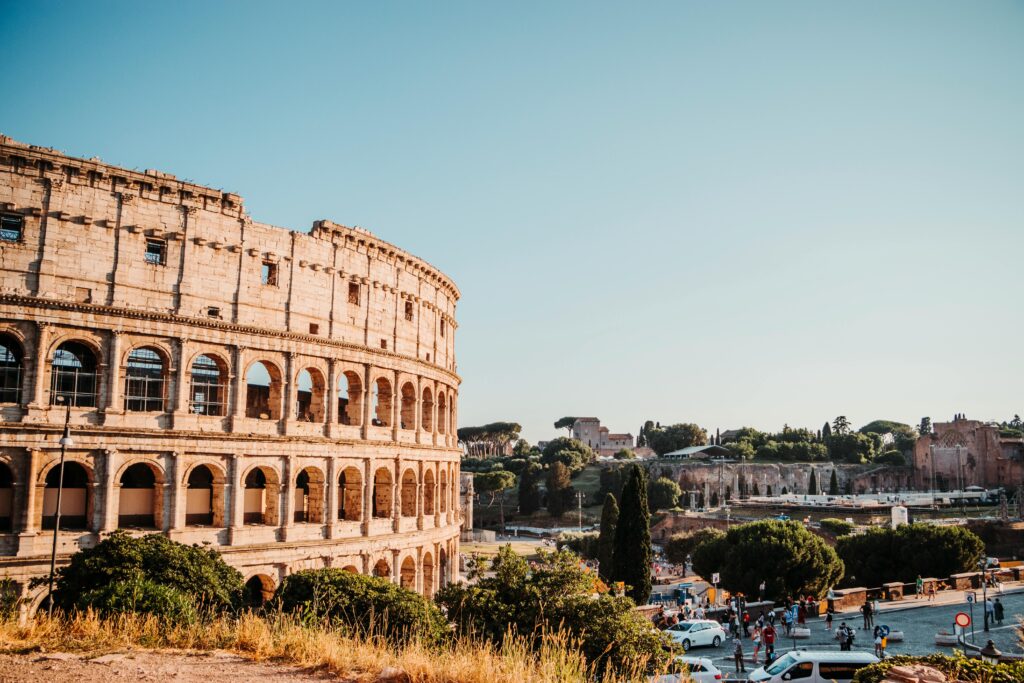
The Colosseum is the most recognizable symbol of Rome, and it was built to impress both citizens and visitors. It was designed as a massive public arena where tens of thousands of people could gather to watch events that reinforced Rome’s power and values. When you step inside, it helps to imagine it not as a ruin, but as a fully decorated stadium filled with noise, color, and movement. Gladiator fights, animal hunts, and public spectacles took place here, all carefully organized to entertain the crowd and show the strength of the empire. Seating was not random. Social class determined where you sat, with the best views reserved for senators and elites, while common citizens sat higher up. Beneath the arena floor was a complex system of tunnels and lifts used to move animals, scenery, and performers into place. Many visitors miss this detail unless they know to look for it. The Colosseum was not just about entertainment. It was also political. By offering free spectacles, emperors gained public support and demonstrated control. When visiting, your entry time is tied to a specific slot, so planning ahead is essential. Tickets are sold through the official site at colosseo.it, and choosing the right ticket type can make a big difference in how much you see and how crowded it feels.
What to Look For Inside the Colosseum
Once inside the Colosseum, it helps to slow down and focus on a few key features instead of trying to see everything at once. Look at the arena from different angles to understand its scale. Notice the numbered arches on the exterior, which helped control crowd movement, much like modern stadiums. Inside, the remains of seating sections show how organized Roman society was. If your ticket includes access to special areas like the arena floor or underground, take advantage of it. These areas give you a clearer sense of how events were staged and how complex the logistics were. Even without special access, standing above the exposed hypogeum offers a powerful view into how the building functioned. Plan at least an hour here, more if you enjoy reading displays or taking photos. Since this is the most visited site, arriving early or later in the day usually feels more relaxed. The Colosseum sets the stage for everything else you will see next, so taking your time here adds meaning to your visit to the Roman Forum and Palatine Hill.
The Roman Forum: Daily Life and Power in Ancient Rome
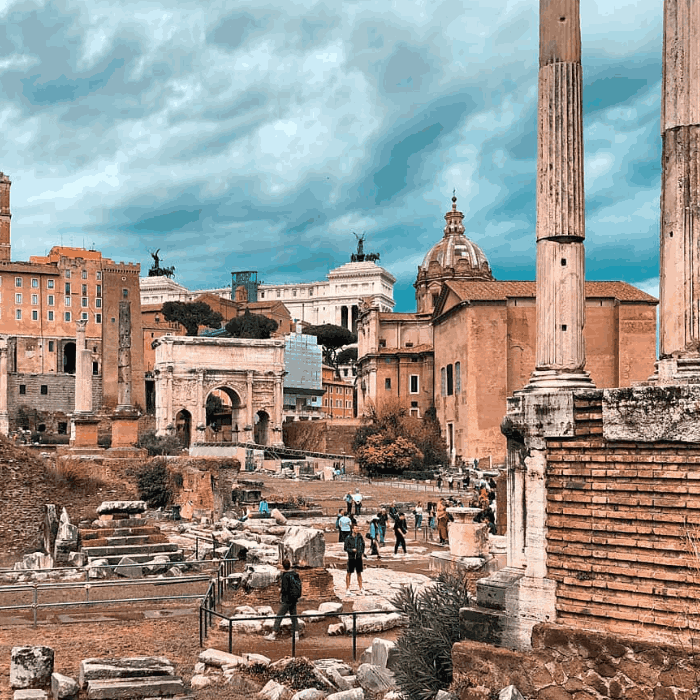
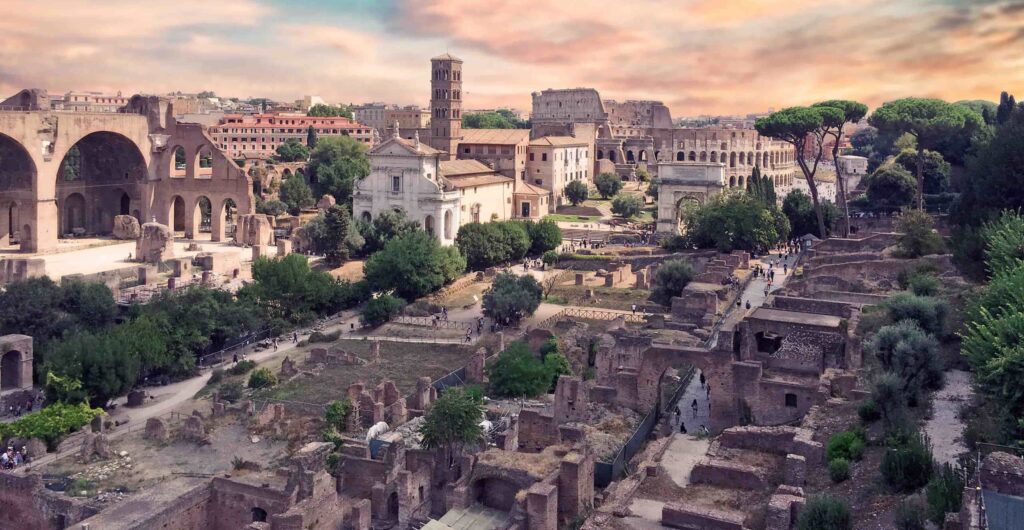
The Roman Forum can feel confusing at first because it looks like a large open area filled with broken columns and stone foundations. In reality, this was the center of public life in ancient Rome. Important ceremonies, political debates, religious rituals, and everyday business all took place here. The Forum developed over many centuries, which is why buildings from different periods sit close together. Walking through it without context can feel overwhelming, but knowing a few basics makes it much easier to understand. The main road running through the Forum was used for triumphal processions, where victorious generals paraded through the city. Temples honored important gods, while basilicas served as spaces for law courts and public meetings. The Senate House stood nearby, where laws were debated and decisions were made that affected the entire empire. Unlike the Colosseum, the Forum does not have a set route. You are free to explore at your own pace, which is why it pairs well with Palatine Hill on the same visit. Entry to the Forum is included with Colosseum tickets purchased through the official site, making it easy to plan both together.
Key Areas That Help the Forum Make Sense
To avoid feeling lost in the Roman Forum, focus on a few key areas that act as anchors. The Via Sacra helps you understand how people moved through the space. The Temple of Saturn marks one end of the Forum and reminds visitors of Rome’s religious traditions. The Arch of Septimius Severus stands as a symbol of military success and public honor. Near the center, the remains of basilicas show where legal and business matters were handled. The Senate House is one of the best-preserved buildings and helps bring political life into focus. By connecting these spots mentally, the Forum becomes less like a pile of ruins and more like a working city. Allow at least one and a half hours here, more if you enjoy history or photography. Comfortable shoes and water are important, as there is little shade and uneven ground. Visiting the Forum after the Colosseum helps reinforce the idea that public entertainment and public life were closely linked in ancient Rome.
Palatine Hill: Where Power Lived
Palatine Hill rises above the Roman Forum and offers a completely different perspective on ancient Rome. This was one of the most desirable areas in the city and eventually became home to emperors and the ruling elite. According to tradition, this hill is where Rome was founded, adding symbolic importance to its location. Over time, modest homes gave way to grand palaces that overlooked the Forum below. From Palatine Hill, emperors could physically look down on the political and social heart of Rome, reinforcing their authority. Today, the area feels quieter and greener than the Forum, which makes it a good place to slow down and explore. Ruins of imperial residences, courtyards, and gardens spread across the hill, offering insight into how Rome’s leaders lived. Many visitors rush through Palatine Hill or skip it entirely, but doing so means missing an important part of the story. Entry is included with the same tickets used for the Colosseum and Forum, making it easy to combine all three without extra cost.
Why Palatine Hill Is Worth Your Time
Palatine Hill rewards visitors who take their time. The views alone are worth the climb, offering some of the best photo spots overlooking the Forum and the Circus Maximus. Beyond the views, the remains of palaces help explain how private life and public power overlapped in ancient Rome. Walking through these ruins gives you a sense of scale and luxury that is harder to grasp in the Forum below. Interpretive signs and museum spaces add context without overwhelming you. Plan at least an hour here, more if you enjoy exploring at a relaxed pace. The paths are less crowded, making it a good place to end your visit. Shade and benches make it more comfortable, especially after walking through the open Forum. Seeing Palatine Hill last ties together everything you have seen, showing how entertainment, politics, and private life were all connected in one compact area.
Tickets, Access, and Planning Tips
Visiting the Colosseum, Roman Forum, and Palatine Hill requires some planning, but it does not need to be stressful. Tickets are sold through the official website at colosseo.it. Most travelers choose a combined ticket that includes all three sites. Entry to the Colosseum is timed, meaning you must arrive at your chosen slot, while the Forum and Palatine Hill can usually be visited within a broader time window. This makes it easier to plan your day. There are also special access tickets that include areas like the arena floor or underground, which offer a deeper look for those who want more detail. Arriving early helps reduce waiting time at security checks. Bringing water, wearing comfortable shoes, and planning breaks will make the experience much more enjoyable. Accessibility routes are available in many areas, but the terrain can be uneven, so checking official accessibility information in advance is helpful.
| Site | Recommended Time | Main Focus |
|---|---|---|
| Colosseum | 1 to 1.5 hours | Entertainment and spectacle |
| Roman Forum | 1.5 to 2 hours | Politics, religion, daily life |
| Palatine Hill | 1 to 1.5 hours | Imperial residences and views |
Seeing the Big Picture
Understanding Rome’s greatest landmarks is about more than checking them off a list. The Colosseum, Roman Forum, and Palatine Hill work together to tell the story of a city that shaped much of Western history. By learning what each site was used for and how they connect, your visit becomes more meaningful and less tiring. Instead of wandering without direction, you move with purpose and curiosity. These landmarks show how Romans entertained themselves, governed their empire, and lived their daily lives. Taking the time to see all three in one connected visit gives you a clearer sense of ancient Rome as a real, functioning city rather than a collection of ruins. With the right planning and a basic understanding of what you are seeing, these landmarks become highlights that stay with you long after your trip ends.