The interchange is straightforward once you know that it is vertical, not a same-level transfer. At Valle Aurelia station, Trenitalia’s FL3 platforms are above ground while Metro A is below. From the railway, follow the orange M / Linea A signs downward. From the metro, follow signs for the railway or Trenitalia upward, then check the departure board before choosing a platform. For central Rome, Metro A is direzione Anagnina; for Cesano, Bracciano or Viterbo, FL3 normally uses binario 2, but the live board always takes priority.
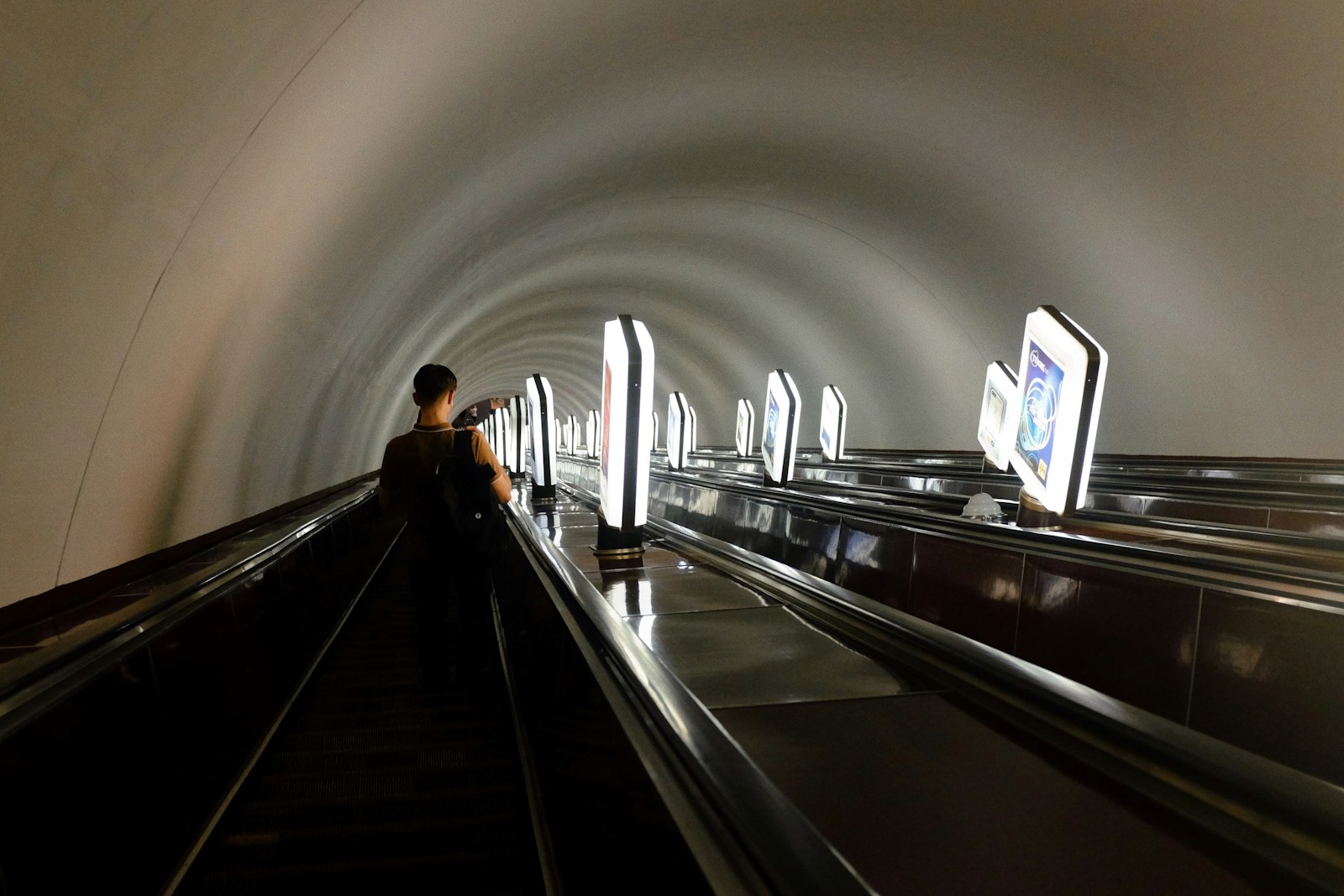
How the interchange is laid out
Valle Aurelia combines two separate systems in one transport hub. Metro A is operated by ATAC, while the FL3 regional trains are operated by Trenitalia on RFI infrastructure. You therefore move between separate paid areas rather than simply crossing from one platform to another.
The railway has two passenger platforms. The normal FL3 pattern is easy to remember:
- Binario 1 is normally for trains heading toward Roma San Pietro, Quattro Venti, Roma Trastevere, Roma Ostiense and Roma Tuscolana, with some services continuing toward Roma Tiburtina.
- Binario 2 is normally for trains heading toward Appiano, Roma Balduina, Gemelli, Roma Monte Mario, Cesano, Bracciano and Viterbo.
Do not treat those platform numbers as permanent instructions. Railway platforms can change during disruption or engineering work. Read the electronic departure display for your actual train before going up to the platform.
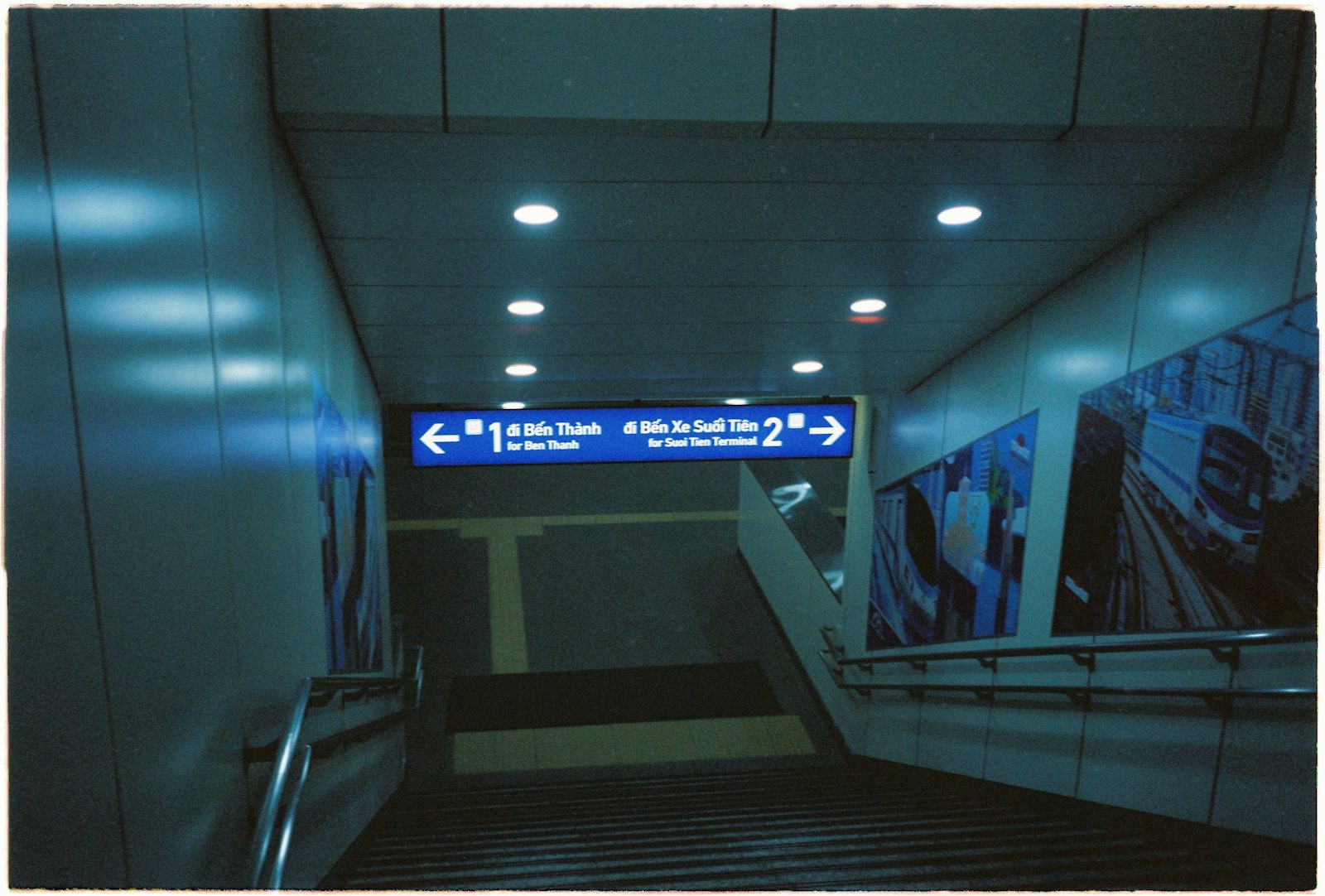
Changing from Metro A to the FL3 train
- Leave the Metro A platform and look for the railway connection. Do not automatically follow the first generic Uscita sign if your intention is to continue by train. Look for rail, train or Trenitalia signage.
- Pass out of the Metro A paid area. The FL3 is not another metro platform behind the same set of gates.
- Go upward toward the railway level. The change involves several levels, so luggage, a stroller or reliance on lifts can make a very tight connection risky.
- Find the RFI departure monitor before committing to a platform. Look for your train’s destination, departure time and binario.
- Use the next stops as a direction check. A train whose next stop is Appiano is heading north toward Balduina, Gemelli and the Cesano/Viterbo side. A train whose next stop is Roma San Pietro is heading toward Trastevere and Ostiense.
Do not just look for “Viterbo”
Many FL3 trains do not run the whole length of the line. A departure may terminate at Cesano, Bracciano or another intermediate point. If you are going beyond Cesano, make sure your particular train actually reaches your destination.
The Vigna Clara branch creates another possible source of confusion. It forms part of the wider regional rail service pattern around Valle Aurelia, but not every northbound departure follows the Cesano and Viterbo route. Read the list of stops rather than assuming that every FL3-labelled train goes the same way.
Changing from the FL3 train to Metro A
- Leave the railway platform and follow the orange Metro A signs. You need to descend from the elevated railway level toward the metro entrance.
- Have your Metro ticket, pass, QR code or contactless payment method ready before the gates. Stopping directly in front of a gate to search through a bag is an excellent way to acquire an impatient Roman audience.
- Choose the metro by terminus name. The platforms are signed Anagnina and Battistini.
Take Metro A toward Anagnina for Cipro, Ottaviano, Lepanto, Flaminio, Spagna, Barberini and Termini. Cipro is the next metro stop after Valle Aurelia, followed by Ottaviano.
Take Metro A toward Battistini only if you are travelling toward Baldo degli Ubaldi, Cornelia or Battistini. If you are trying to reach central Rome and the next-train display says Battistini, you are on the wrong side.
For the Vatican, changing here is not always best
If your FL3 train is already travelling toward Roma San Pietro and your destination is St. Peter’s Basilica, staying aboard to Roma San Pietro can be simpler than changing to Metro A and approaching from Ottaviano. For the Vatican Museums side, however, changing to Metro A and travelling one stop to Cipro can be useful.
Can the same ticket cover Metro A and the FL3?
Yes, for journeys inside Rome’s urban fare area. ATAC’s BIT integrated ticket currently costs €1.50 and is valid for 100 minutes from first validation. Within its rules it can be used on the Rome Metro and on Trenitalia regional trains in second class on the urban section.
On the FL3, the Rome urban fare boundary extends as far as Cesano. That means an appropriate Metrebus Roma ticket can cover trips such as Valle Aurelia to Gemelli, Monte Mario or Cesano as well as the metro portion of the journey, provided the ticket remains within its time and journey limits.
Bracciano, Anguillara and Viterbo are outside the ordinary Rome urban fare area. A standard Rome BIT is not enough for those trips. Buy a Trenitalia regional ticket covering your full railway journey or the appropriate Metrebus Lazio product. Trenitalia explains the regional zone system on its Lazio integrated fares page.
Validation during the transfer
With a paper Metrebus ticket, validate it when beginning the journey and keep it until the entire trip is finished. ATAC specifically requires another validation when transferring onto a metro line, so if Metro A is your second leg, use the ticket at the metro access gate.
Digital tickets have their own activation procedure. For example, Metrebus tickets bought through the Trenitalia app require the correct mode to be selected before travel, and Metro A access uses the generated QR code. Do not rely on a screenshot if the ticket conditions require the active app.
For contactless Tap & Go travel, use the same physical card, phone or watch throughout the journey. Current ATAC guidance allows continuation on Trenitalia regional trains within the urban fare area and says that, during a railway inspection, you may need to show the payment card used or provide the relevant digits of its card number.
How much connection time should you allow?
There is no protected connection between a Metro A train and an FL3 departure. They are different services run by different operators, so a late metro does not make the regional train wait.
For planning purposes, give yourself about 10 minutes between stepping off one service and needing to board the other. Increase that to around 15 minutes if you have substantial luggage, are travelling with children or need the lifts. These are sensible planning buffers, not official minimum connection times.
If Valle Aurelia is one piece of a longer day involving several trains or cities, it helps to organize the rest of your Italy trip before travel day, then recheck the live operator information shortly before departure.
Luggage, strollers and step-free transfers
Suitcases are more noticeable here than at a simple cross-platform interchange because you are changing levels. Keep wheeled luggage under control on stairs and escalators, and move away from the top or bottom before stopping to check your phone.
RFI lists both FL3 platforms as reachable by lift, but there is no step-free route to the railway platforms that avoids the lifts. RFI currently publishes lift operating hours of 05:00 to 00:00. Temporary outages can still occur, so passengers who depend on step-free access should check the RFI accessibility information for Valle Aurelia shortly before travelling.
ATAC also lists the Metro A stop as accessible for passengers with reduced mobility in the presence of company staff. A genuinely step-free transfer therefore depends on both the railway and metro equipment being available. If a lift is out of service, ask staff for the approved alternative rather than assuming another staircase within the complex will eventually lead to an accessible route.
What to do if you miss the FL3 train
First, check the departure board rather than simply waiting on the same platform. The next useful train depends heavily on your destination.
For places on the frequent urban section, another suitable service may appear before a train carrying the same final destination as the one you missed. For example, you do not necessarily need a train displaying “Viterbo” to reach Gemelli or Monte Mario. What matters is whether your stop appears in the calling pattern.
If you are travelling to Bracciano or Viterbo, be more careful. A train terminating at Cesano cannot take you farther simply because it leaves from the correct platform. Check the stops in the Trenitalia app or on the station display before boarding.
If the railway is disrupted badly enough that you decide to abandon the transfer and return to Metro A, remember that a BIT allows only one metro journey. Once you have exited the metro system, do not assume the same single-journey entitlement lets you pass through the gates again.
Early morning, late evening and Sundays
Metro A and the FL3 do not have identical operating hours, and regional railway frequencies vary by day and destination. Sunday and holiday timetables can also differ from weekday service, particularly on less frequent branches and longer-distance trains.
This matters most if your itinerary depends on the first or last practical connection. Check both operators rather than looking only at the departure time of your first vehicle. The railway lifts also have their own operating window, which is especially relevant to very early or late step-free journeys.
Planned engineering work can change FL3 termini, cancel trains or alter the usual platform pattern. ATAC works can separately affect Metro A. On the day of travel, the electronic station displays and announcements override the normal pattern described above. You can check Metro disruptions on the ATAC service-status page and railway information through RFI or Trenitalia.
The three signs that prevent most mistakes
- Anagnina: the Metro A direction for Cipro, Ottaviano, central Rome and Termini.
- Binario 1: normally the FL3 side toward Roma San Pietro, Trastevere and Ostiense.
- Binario 2: normally the FL3 side toward Appiano, Gemelli, Monte Mario, Cesano and Viterbo.
Use those as orientation clues, but let the live destination display make the final decision. At this interchange, the name at the end of the line and the list of upcoming stops are more reliable than trying to memorize a platform number.