Rome’s culinary heritage isn’t just about savory pastas and classic pizzas, the Eternal City boasts an impressive array of unforgettable desserts deeply rooted in tradition and history. From ancient Roman sweets to beloved pastries found in today’s vibrant trattorias, each treat tells a story of culture and flavor. Whether you’re a traveler craving an authentic taste of Rome or a dessert enthusiast eager to discover old-world favorites, this guide explores the city’s most iconic sweets and traditional desserts that have delighted locals and visitors for centuries.
What desserts is Rome known for
If you’ve ever wondered what desserts is Rome known for, prepare to discover a remarkable blend of timeless classics and innovative sweet creations that showcase the city’s rich culinary heritage. Rome’s dessert culture is rooted in centuries-old traditions, drawing on both historic Roman recipes and the vibrant flavors of modern Italy. When strolling through the city’s bustling neighborhoods, you’ll encounter an enticing array of pastries, cakes, and sweets that reflect Rome’s unique taste for dolce vita.
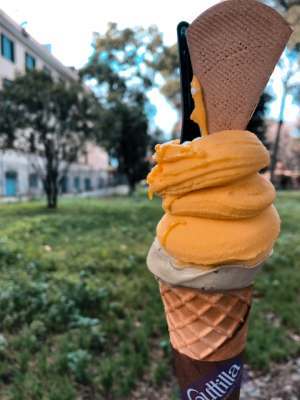
First and foremost, Rome is synonymous with gelato, an Italian-style ice cream that’s creamier and often more intensely flavored than its global counterparts. Local gelaterias can be found around nearly every corner, each crafting original flavors sourced from the freshest seasonal ingredients. Whether you opt for classic pistachio or adventurous fig and ricotta, sampling gelato is an essential Roman experience, especially when enjoyed while wandering through the historic piazzas or along the banks of the Tiber River.
Planning Rome? Grab the step-by-step digital guide
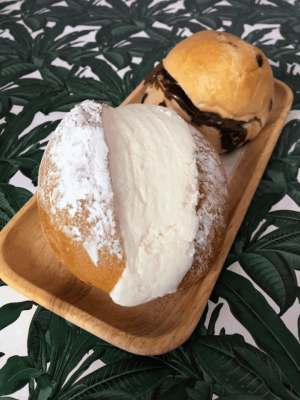
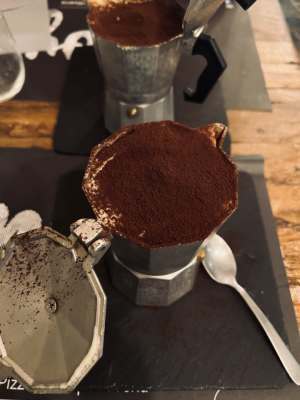
Another staple on any Roman dessert list is tiramisù. While its origins are debated among Italian regions, Rome’s pastry chefs have embraced and reinvented this beloved layered treat, often infusing local flavors or giving it a luxurious twist. You’ll also frequently encounter maritozzo, a soft, sweet bun generously filled with whipped cream. Beloved by Romans, this breakfast pastry dates back to ancient times and is as delightful with morning coffee as it is as an afternoon pick-me-up.
Beyond these staples, Rome boasts lesser-known but equally delicious sweets like pangiallo, a golden holiday cake packed with dried fruits and nuts, and tozzetti, crisp biscotti perfect for dipping into a glass of local dessert wine. For travelers eager to sample as many treats as possible in a short time, following a curated itinerary, such as the Rome in two days itinerary, ensures you’ll hit the most authentic and delicious spots in the city.
No matter the season, if you ask what desserts is Rome known for, you’ll find the city’s sweet offerings are as diverse and storied as its landmarks. From ancient recipes passed down through generations to contemporary creations by visionary pastry chefs, Rome’s dessert culture invites travelers to savor a true taste of Italian tradition and innovation alike.
Famous Pastries and Cakes Loved by Romans
Rome’s love affair with pastries and cakes runs deep, with generations of Romans cherishing a dazzling variety of sweets, each with its own storied past and regional twist. As you venture through the city’s atmospheric streets and lively piazzas, countless bakeries and pasticcerias tempt you with delicacies like maritozzo, ricotta-filled crostate, and crumbly tozzetti. Exploring these offerings provides not only a taste of local flavors, but also a window into the city’s daily rituals and culinary artistry. Whether you’re seeking classic favorites or more offbeat treats, discovering Rome’s most beloved pastries is an essential part of any Roman culinary adventure.
Top Local Bakeries and Pasticcerias to Visit
Sampling Rome’s legendary pastries and cakes is an experience best enjoyed straight from the source: the city’s revered bakeries and pasticcerias. These local institutions are woven into the fabric of everyday Roman life, each celebrated for their signature recipes and artisanal approach. If you’re wandering the heart of Rome, don’t miss Pasticceria Regoli in the Esquilino district, an institution since 1916 and famed for its impeccable maritozzo overflowing with whipped cream, as well as seasonal cakes bursting with fresh ingredients. The longstanding allure of Regoli comes not only from its classic pastries, but also the sense of nostalgia, regulars here will joyfully recall memories of their first maritozzo or slice of creamy crostata enjoyed as children.
Another beloved stop is Antico Forno Roscioli, a bakery whose roots stretch back for centuries and whose walls echo with Roman culinary tradition. Here, you can indulge in supple crostate laden with sweet ricotta or tangy cherry preserves, as well as memorable tozzetti baked with a perfect crunch. Roscioli is also known for its creamy torta ricotta e visciole, a ricotta and sour cherry tart that embodies balance and simplicity in every bite. Stepping into Roscioli feels like entering the living history of Roman baking, where old-world methods meet contemporary tastes, and the staff’s warm hospitality ensures travelers feel right at home.
For a more modern take, Il Forno Campo de’ Fiori remains a must-visit, touted by locals and epicurean travelers alike. In addition to its renowned pizza bianca, the forno offers a rotation of delicate fruit tarts, buttery pastries, and crumbly almond-laced sweets that are perfect with a morning cappuccino or as an on-the-go snack. The atmosphere here captures the bustling energy of the market outside, with trays of sweets disappearing almost as quickly as they emerge from the ovens.
No exploration of Rome’s pastry scene would be complete without mentioning Pasticceria De Bellis, tucked near Piazza Navona. De Bellis exemplifies the new generation of Roman pastry chefs blending tradition and artistry. Their visually stunning pastries, such as modern twists on the classic maritozzo, vibrant fruit tartelettes, and inventive mignons, showcase creative flair without sacrificing authenticity. Sampling these updated classics is a delight, giving travelers the opportunity to taste Roman baking through a contemporary lens while honoring the recipes that came before.
With every neighborhood offering its own treasured address, the best way to discover Rome’s pastry wonders is to set out with curiosity and a healthy appetite. Don’t hesitate to ask locals for their personal favorites, as Romans take pride in guiding visitors to family-run gems hidden behind unassuming facades. Be sure to arrive early in the day for the freshest selection, and indulge in these iconic treats just as generations of Romans have, slowly, joyfully, and always with plenty of espresso.
Ancient Roman Desserts: A Glimpse into the Past
Before the beloved classics and celebrated pastries that define Rome’s dessert culture today, the city was already home to a fascinating world of sweet concoctions. Ancient Roman desserts reveal a rich history of culinary ingenuity, where everyday banquets and grand feasts alike featured ingredient combinations that might surprise modern palates. By looking to this past, we gain new appreciation for how Romans sweetened their world despite limited access to cane sugar and chocolate. Exploring the ingredients, techniques, and inventive recipes of ancient Rome provides a unique lens on contemporary Roman treats and their enduring ties to history.
Historic Ingredients and Their Modern Revival
Ancient Roman desserts were defined by both necessity and creativity, relying on a diverse range of ingredients indigenous to the region or sourced through Rome’s expansive trade networks. Honey, often regarded as the primary sweetener before the widespread cultivation of sugarcane, lay at the heart of Roman sweets. Romans drizzled it over baked breads, mixed it into cheeses, and used it to bind together nuts and fruits in confections that still evoke flavors reminiscent of Mediterranean desserts today.
Dried fruits such as figs, dates, and raisins featured heavily in ancient recipes, valued both for their natural sweetness and their ability to preserve well over time. These ingredients often supplemented or replaced expensive imported luxuries and are still beloved in modern Italian sweets, particularly during festival seasons. Adding depth and nuance to these desserts, Romans made liberal use of spices, cinnamon, black pepper, and even garum (a fermented fish sauce), creating unexpected flavor combinations that challenged contemporary definitions of “sweet.” While garum has faded from dessert recipes, other spices remain staples in Italian holiday treats, bridging centuries of culinary evolution.
Cheese was another fundamental component of Roman desserts, especially ricotta and fresh sheep’s cheese, which lent creaminess to cakes and tarts. Dishes such as libum, a honey-drizzled cheese bread offered to household gods, or globi, fried cheese balls bathed in honey and poppy seeds, hint at the deep historical roots underlying today’s crostate and ricotta-based pastries. The inclusion of grains and nuts, whether ground into flour for fried sweets or toasted and chopped for textured toppings, connects ancient recipes with modern iterations like tozzetti and pangiallo.
Recently, Rome’s chefs and bakers have become increasingly fascinated by this culinary legacy, leading to a revival of ancient ingredients and preparation methods in contemporary kitchens. Menus at experimental restaurants, historical reenactment events, and even select bakeries pay homage to Roman heritage by featuring modern twists on classics like savillum (a honey cheese cake) and dulcia domestica (stuffed dates). For today’s traveler, seeking out these reimagined recipes promises both a taste of history and a story to savor, deepening the connection to Rome’s culinary origins.
This renewed interest also reflects a broader movement toward sustainable, locally sourced ingredients, a core practice of the ancient Romans by necessity. For dessert lovers and history enthusiasts alike, discovering these revived flavors not only offers something novel but also reaffirms the enduring spirit of Roman ingenuity. Whether you’re sampling a honey-drizzled ricotta tart or simply enjoying figs and almonds after dinner, each bite echoes the ingenuity of ancient tables and invites you to taste the city’s past in every modern sweet.
Must-Try Traditional Desserts for Travelers
Rome’s sweet landscape is an inviting patchwork of time-honored recipes, each reflecting centuries of culinary evolution and daily life. For travelers eager to experience the city’s authentic flavors, traditional desserts offer an unforgettable taste of Roman culture. From airy maritozzo buns to indulgent ricotta cakes and sun-drenched biscotti, every treat comes with a story worth savoring. Sampling these specialties doesn’t just satisfy your sweet tooth, it connects you to generations of Romans who have made these delicacies a beloved part of their routines. Navigating Rome’s dessert scene as a traveler is as much about embracing the rituals as it is about the flavors themselves.
| Dessert | Description | Best Time to Try | Insider Tip |
| Tiramisu | Classic coffee-flavored layered dessert with mascarpone and cocoa. | Any evening meal or as a midday treat. | Seek out family-run trattorias for authentic, homemade versions. |
| Maritozzo | Sweet brioche bun filled with whipped cream, often enjoyed at breakfast. | Morning, especially with a cappuccino. | Try at a local bakery to watch Romans begin their day. |
| Crostata di Ricotta | Traditional ricotta cheese tart, sometimes with candied citrus or chocolate. | Spring festivals and holidays, or as a light dessert anytime. | Look for variations with sour cherry or chocolate for a unique twist. |
| Pangiallo Romano | Dense, spiced holiday cake loaded with nuts and dried fruits. | Christmas and winter months. | Perfect paired with a glass of dessert wine after dinner. |
This table offers a quick reference to Rome’s essential desserts and the local customs that make each experience truly authentic.
Insider Tips for Enjoying Rome’s Sweet Treats
To truly savor Rome’s traditional desserts, it’s helpful to understand a few local habits and insider strategies that can make the experience memorable and authentic. Unlike the typical dessert course that arrives exclusively after dinner, Romans often enjoy their favorite sweets at different times throughout the day. Maritozzo, for example, a pillowy, cream-filled bun, is a cherished breakfast staple best enjoyed fresh in the morning with a frothy cappuccino. Arriving at bakeries and pasticcerias early guarantees access to the widest array of treats, with many pastries selling out by midday as locals grab their favorites before work or school.
When visiting iconic spots like Pasticceria Regoli or Antico Forno Roscioli, don’t be afraid to chat with the staff or ask for recommendations, especially if you’re unfamiliar with the dazzling display of goodies in the pastry case. Romans take immense pride in sharing their culinary heritage, and a friendly inquiry can often result in an impromptu tasting or directions to the best pastry pairings with coffee or dessert wine. If you’re wandering the historic neighborhoods, keep an eye out for unassuming family-run pasticcerias tucked down side streets; these spots often serve recipes that haven’t changed in decades and offer a peek into daily Roman life.
Gelato is another must-try, yet not all gelaterias are created equal. Look for shops where the gelato is kept in lidded metal tins rather than piled high in artificial displays, a sign of freshness and authenticity. Seasonal flavors featuring local ingredients, such as figs in late summer or chestnuts in autumn, provide a deeper connection to the city’s agricultural rhythms. Don’t hesitate to sample more adventurous combinations, Rome’s gelato artisans enjoy mixing modern and traditional flavors, and trying something new might lead you to a new favorite.
Sharing desserts is a quintessential part of Roman socializing. After a leisurely meal in a trattoria, it’s common for friends and families to split a plate of tozzetti biscotti and dunk them into a communal glass of dessert wine or coffee. This custom transforms dessert into a convivial ritual, full of laughter and lingering conversation. When exploring markets or festivals, take the opportunity to try sweets like pangiallo or castagnole in their natural setting; the lively atmosphere and background of Roman dialect add a layer of authenticity to every bite.
For those following a short itinerary, like a weekend getaway, thoughtfully planning your dessert stops can maximize your tasting adventures. Consider plotting visits to a mix of storied bakeries and contemporary patisseries, blending the comfort of classics with the excitement of innovative twists. Documenting each tasting, with photos, notes, or even recipes collected from local bakers, can serve as a delicious souvenir that brings the flavors of Rome home long after your trip. Ultimately, enjoying Rome’s traditional desserts is about immersing yourself in the city’s rhythms, embracing a slower pace, and letting each sweet bite provide a fresh perspective on everyday Roman life.
Ready to indulge in Rome’s sweetest traditions? Here are practical ways to savor the city’s dessert culture:
- Seek out family-run gelaterias for authentic, seasonal gelato flavors enjoyed like a local.
- Treat yourself to tiramisu at a traditional trattoria, pairing it with an espresso for the perfect finish.
- Experience a creamy maritozzo for breakfast—a sweet bun filled with fresh whipped cream.
- Sample a classic Roman crostata at an old-world bakery, savoring flavors like apricot or cherry.
- Order panna cotta in a cozy ristorante, admiring its silky texture and sweet fruit compote.
- Pop into a pasticceria for a selection of biscotti; try them dipped in Vinsanto wine, as the locals do.
- Participate in a dessert-making workshop to learn the secrets behind Rome’s most beloved sweets.
Every bite is a delicious step deeper into Roman culture, embrace the dolce vita with every sweet encounter.
