Rome’s culinary heritage is a vibrant tapestry woven from centuries of tradition, local flavors, and timeless recipes. Whether you’re strolling cobbled streets or dining in a lively trattoria, you’ll find a rich array of distinctive dishes unique to the Eternal City. This guide explores the essential foods Rome is known for, from hearty pastas to indulgent desserts, offering practical tips and authentic recommendations for every traveler. Discover the must-try specialties that capture Roman culture on every plate and embark on a delicious adventure that will make your visit unforgettable.
Introduction to Roman Cuisine: A Legacy of Flavor
Ask any traveler, foodie, or history enthusiast, “what foods is Rome known for?” and you’ll quickly discover that Roman cuisine is an artform steeped in centuries of culture, tradition, and creative evolution. The city’s culinary legacy is defined by simple ingredients that have withstood the test of time, delivering robust flavors and time-honored comfort. Whether you’re wandering through the bustling markets of Campo de’ Fiori or savoring a meal in a cozy trattoria, every bite tells a story of Rome’s past and its deep relationship with food.
Roman cuisine is distinctly local, shaped by the city’s unique history and geography. From the age-old recipes of ancient Roman times to the hearty fare enjoyed today by locals, dishes were built around accessible, seasonal ingredients, think pecorino cheese, cured guanciale, and the freshest vegetables from the Lazio countryside. The results are honest dishes packed with character, such as carbonara and cacio e pepe, each bearing a distinct Roman flavor profile that sets them apart from the rest of Italy’s rich culinary tapestry.
Planning Rome? Grab the step-by-step digital guide
What makes Roman food truly stand out is its unpretentious essence and knack for maximum flavor with minimal fuss. If you’re wondering not just what to eat, but how to make the most of every meal, your Roman adventure begins with an understanding of the city’s culinary roots. Planning your food journey alongside our recommended Rome in Two Days Itinerary will set the stage for an immersive experience into the heart of this vibrant food culture. Get ready to explore, taste, and fall in love with the dishes that define the Eternal City.
The Quintessential Roman Pastas Every Traveler Should Try
Rome’s world-renowned pasta dishes are a testament to the city’s culinary ingenuity and skill with honest, locally sourced ingredients. These timeless recipes have captivated palates for generations, offering a window into Roman culture that goes well beyond the plate. From bustling trattorias in Trastevere to family kitchens tucked behind ancient piazzas, each pasta carries with it a tale of tradition and flavor. Travelers seeking an authentic taste of Rome should start with its celebrated classic pastas, each embodying the city’s straightforward yet deeply satisfying food philosophy. Get ready to savor the pasta masterpieces that no visit to the Eternal City would be complete without.
Understanding the Secrets Behind Authentic Carbonara and Cacio e Pepe
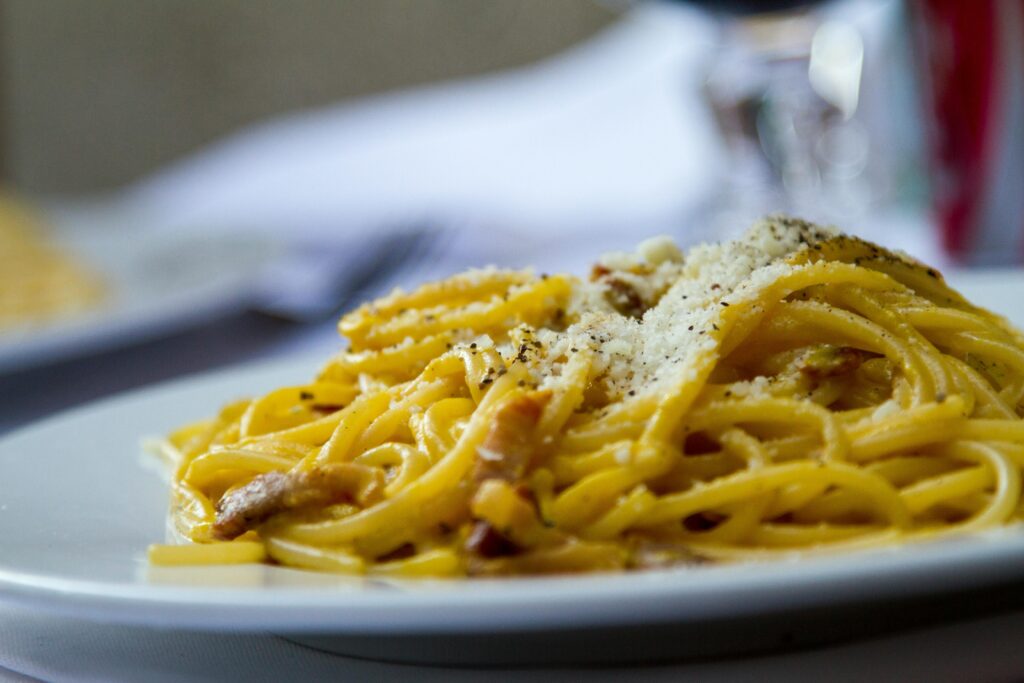
Few pasta dishes capture the soul of Roman cuisine quite like carbonara and cacio e pepe. Despite their international fame, the true versions of these classics may surprise you with their simplicity and intensity of flavor. Authentic carbonara is nothing like the cream-laden adaptations found elsewhere; it’s a marvel of minimalism. The secret lies in using fresh eggs, sharp pecorino romano cheese, guanciale (cured pork jowl), and coarse ground black pepper. Once combined with perfectly al dente pasta, these ingredients create a rich, silky sauce that clings to every strand, no cream required. The magic of carbonara is timing: whisked off the heat, the eggs form a luxurious coating without scrambling, while guanciale delivers a subtle smokiness. The dish is best enjoyed immediately, as Romans do, with a generous grinding of black pepper and a final snowfall of pecorino.
Cacio e pepe, meanwhile, showcases Rome’s obsession with transforming few ingredients into a flavor bomb. At its core, it contains just pasta, pecorino romano, and black pepper. Mastering cacio e pepe is about technique: achieving a creamy emulsion that binds cheese and pepper to pasta without clumps. The key is using some of the reserved starchy pasta water, whisked in gradually, to create a luscious sauce. This approach amplifies the bold, slightly salty pungency of pecorino and the bite of freshly cracked pepper, creating a dish that’s comforting but never heavy. Both carbonara and cacio e pepe reflect Rome’s culinary ethos: start with the best ingredients and let technique, not excess, coax out their fullest expressions. Any foodie venturing to Rome should try these signature pastas at local osterias, where generations of cooks continue the proud tradition of turning humble staples into legendary experiences.
Ready to bring the flavors of Rome into your kitchen? Try these practical tips for preparing authentic carbonara and cacio e pepe at home:
- Use high-quality pecorino romano cheese for a tangy, salty kick in both dishes.
- Select guanciale over pancetta for true carbonara flavor and a melt-in-the-mouth texture.
- Reserve some pasta water to help emulsify your sauces and achieve creamy results.
- Toss the pasta off the heat with cheese and pepper to avoid scrambling the eggs in carbonara.
- Grate black pepper fresh for cacio e pepe—its aroma elevates the dish.
- Cook your pasta al dente; it will soak up more of the sauce and maintain the right bite.
- Mix the cheese and pepper together before adding them to the pasta for even distribution.
Experiment with these tips and discover the joys of cooking classic Roman pasta dishes at home!
Street Food Delights: Experiencing Rome on the Go
Rome thrives on lively streets lined with bakeries, food carts, and bustling alleys, where eating on the go is a daily ritual for locals and travelers alike. While Roman pastas have captivated visitors in cozy trattorias, the city’s street food offers a different lens into its culinary soul. Grabbing a quick bite from a bustling counter or snacking as you explore ancient ruins brings a sense of freedom, connecting you with Rome’s energetic pace. Among the most cherished treats awaiting hungry wanderers are golden-fried supplì and irresistible pizza al taglio, essential flavors that transform a stroll through the Eternal City into an edible adventure.
Famous Snacks like Supplì and Pizza al Taglio
Roman street food is synonymous with two legendary snacks that have achieved iconic status: supplì and pizza al taglio. These staples aren’t just convenient; they’re packed with bold flavors that reflect the city’s inventive spirit. Supplì, a seasoned rice ball, expertly stuffed with mozzarella and often flavored with ragù, emerges from hot oil with a satisfying crunch. Bite into one, and you’ll discover a gooey, stringy core, earning it the affectionate nickname “al telefono,” as the melted cheese stretches like an old telephone cord. This snack has roots in rustic home cooking, evolving into one of Rome’s most beloved finger foods thanks to its portability and irresistible taste, making it a must-try for travelers craving something both familiar and uniquely local.
Equally unmissable is pizza al taglio, the ultimate Roman answer to on-the-go eating. Unlike the Neapolitan round pizza, pizza al taglio is baked in large rectangular trays and served by the slice, literally “by the cut.” Busy bakeries and corner shops display countless flavor combinations, from the classic simplicity of potato and rosemary (patate e rosmarino) to vibrant toppings like zucchini flowers, prosciutto, or creamy stracciatella. The signature lightness and crispiness come from the slow-fermented dough, producing a crust that’s crunchy on the outside yet airy within. Hungry visitors often join the locals in bustling lines, choosing their desired slice size and paying by weight, which makes every taste customizable to appetite and budget.
For the best street food adventure, seek out busy neighborhood bakeries, historic rotisseries, or even humble street carts around markets and piazzas. Supplì and pizza al taglio provide a delicious way to refuel while navigating Rome’s storied streets, whether you’re pausing between explorations of the Colosseum or catching the sunset along the Tiber. Sampling these time-honored snacks not only satisfies hunger, but invites you into the daily rhythms and flavors that shape life in the Eternal City, offering a savory prelude before diving into rich Roman main courses or decadent desserts.
| Snack | Description | Serving Style | Why Try It? |
|---|---|---|---|
| Supplì | Crispy fried rice balls stuffed with mozzarella and ragù | Warm, handheld snack, often sold at pizzerias and street stalls | Classic comfort food with a melty cheese center, perfect for on-the-go |
| Pizza al taglio | Roman-style pizza baked in large rectangular trays | Sold by weight, cut to order, typically enjoyed standing or on the street | Wide variety of toppings; allows sampling authentic Roman pizza by the slice |
This table offers a quick reference to Rome’s iconic street foods and how they capture the energy and flavor of the city.
Traditional Roman Meat and Vegetable Specialties
Beyond pasta and street food, Roman gastronomy shines in its artfully prepared meat and vegetable dishes. Roman cooks have elevated humble ingredients, crafting memorable specialties rooted in history and the city’s multicultural influences. From tender veal infused with sage and prosciutto to artichokes transformed into golden works of edible art, these dishes showcase rustic simplicity paired with sophistication. Exploring these main courses and side plates, travelers discover a world of flavors where careful technique and regional authenticity intersect, offering new perspectives on Rome’s culinary essence and the unique traditions that set its table apart.
Signature Dishes such as Saltimbocca and Carciofi alla Giudia
Signature Roman dishes like saltimbocca and carciofi alla giudia embody the city’s knack for transforming basic ingredients into culinary triumphs. Saltimbocca alla Romana, translating to “jumps in the mouth,” features thin veal cutlets layered with delicate slices of prosciutto and earthy sage, all secured by a toothpick and gently sautéed in butter and white wine. The result is a tender, savory meat dish where the salty richness of the prosciutto blends perfectly with the subtle flavor of sage, while the pan sauce provides a touch of brightness and depth. Saltimbocca exemplifies Roman cooking’s “less is more” ethos, highlighting ingredient quality and smart technique to make every bite memorable.
Equally iconic is carciofi alla giudia, a testament to Rome’s diverse heritage and the culinary contributions of its Jewish community. Literally meaning “Jewish-style artichokes,” this dish involves deep-frying whole artichokes until their petals fan out in a crisp, golden bloom. Traditionally prepared with the Romanesco artichoke, which is prized for its tenderness and minimal choke, the artichokes are expertly trimmed, soaked in water and lemon to prevent browning, and seasoned with just salt and a hint of pepper. Once fried, the result is both visually stunning and incredibly satisfying, the outer leaves become irresistibly crunchy while the heart remains soft and flavorful. Seasoned simply, carciofi alla giudia is a celebration of seasonality and craft, best enjoyed in spring when artichokes peak.
Experiencing these dishes is essential for anyone eager to fully grasp the range of Roman cuisine. They illustrate the mindful preparation techniques passed down for generations and the ways in which the city’s cultures have mingled over centuries. When ordering saltimbocca or carciofi alla giudia in a local trattoria, look for venues specializing in traditional recipes and sourcing local produce, these details often make the difference between a good meal and an unforgettable experience. Travelers are encouraged to explore beyond typical pasta courses, seeking out these masterpieces for a richer, more authentic taste of the Eternal City. Don’t forget to pair your meal with a crisp white wine from Lazio, and savor these specialties slowly to appreciate the true soul of Roman cookery.
Sweet Treats: Exploring Roman Desserts
Having savored Rome’s legendary pastas, feasted on the city’s street food, and discovered its unforgettable meat and vegetable specialties, it’s only fitting to end your culinary journey on a sweet note with Roman desserts. The capital’s approach to sweets is much like the rest of its cuisine, simple, deeply rooted in tradition, and always packed with flavor. While these desserts may not carry the global fame of some pastas, locals treat them with the reverence they deserve, and discovering them is a highlight for those willing to explore Roman food culture beyond the main courses.
One of the most beloved treats is maritozzo, a humble yet irresistible sweet brioche bun sliced open and stuffed generously with whipped cream. This Roman bakery classic dates to ancient times and is still a beloved sight in pastry shops and cafés, especially for breakfast or a midday snack. Maritozzo strikes the perfect balance between pillowy softness and rich, slightly tangy cream, a combo that’s timeless and surprisingly refreshing. For a local experience, try one with a strong espresso at a neighborhood bar, Romans have happily kept this tradition alive for centuries.
Tiramisu might be an Italian staple, but in Rome you’ll find local interpretations that are worth sampling, often showcasing a lighter hand with espresso and cocoa or an extra sprinkle of crunchy chocolate chips. Another unmissable specialty is crostata ricotta e visciole, a rustic tart filled with creamy ricotta cheese and sour cherries, reflecting influences from the city’s historic Jewish community. These ingredients come together to create a dessert that’s both tangy and comforting, with a crumbly pastry that offers the perfect contrast.
Contrary to expectations, gelato is not just a summer distraction; Romans enjoy it year-round, seeking out artisanal gelaterias that churn out dense, flavorful scoops from pistachio to zabaglione. Don’t shy away from trying seasonal flavors or lesser-known varieties made from locally grown ingredients. For food-focused travelers, making time for a gelato ritual is as quintessential as a pasta dinner, locals are known to stroll through piazzas, cone in hand, savoring each silky bite. With these sweet treats, the Eternal City proves that dessert isn’t just an afterthought, but an essential expression of its vibrant food culture. Let your palate wander, and you’ll end every Roman meal with a touch of dolce vita.
