You can hire a chef to cook dinner in a Venice holiday apartment, provided your host permits outside service providers and the kitchen has suitable equipment. A full-service booking typically includes menu planning, ingredient shopping, cooking, serving and cleanup. Wine, additional waiters and special tableware may cost extra. Before paying, confirm that the chef can reach your apartment, prepare the agreed menu in its kitchen and finish within any building rules on visitors and noise.
A private chef Venice visitors hire may need to carry ingredients and equipment across bridges or travel part of the way by boat. This makes the apartment’s location and accessibility particularly important. Send the chef the complete address, kitchen photographs, number of diners and any dietary requirements before requesting a final quote. An attractive rental apartment with a small kitchenette is not necessarily equipped for a multi-course dinner.
How does a private chef dinner work in Venice?
The service usually begins before your trip. You contact a chef or booking platform with your preferred date, number of guests, apartment address and menu preferences. The chef then proposes a meal and explains the price and arrangements.
Depending on the service, you may choose from several prepared menus or work directly with the chef to design something specific.
Once the booking is confirmed, the chef normally purchases the ingredients and arranges the necessary preparation. Some work is completed before arrival, particularly when a recipe requires extended cooking, soaking or chilling.
A typical apartment dinner follows this sequence:
- Menu agreement: You confirm the courses, dietary requirements, number of diners and price.
- Apartment preparation: You obtain the property owner’s permission and provide details of the kitchen and building access.
- Ingredient shopping: The chef purchases the food, unless the agreement specifies a different arrangement.
- Arrival and setup: The chef arrives before the serving time and prepares the cooking and dining areas.
- Cooking: The agreed dishes are prepared or finished in the apartment kitchen.
- Table service: The chef serves the courses, with additional staff if included.
- Cleanup: The chef washes the agreed equipment, clears the table and cleans the cooking area.
The level of service varies. Some chefs handle the entire evening alone, while others offer a separate waiter, wine service or more elaborate table arrangements.
Ask whether the chef personally serves each course or expects guests to help carry dishes and clear the table. Both can work, but you should know what you are paying for.
Can you arrange a private chef in an Airbnb or holiday rental?
Often, yes, but you need the property owner’s approval before confirming the service.
Having a kitchen does not automatically give you permission to invite outside service providers into a holiday apartment. Rental agreements may limit visitors, gatherings, commercial activities or the use of particular equipment.
Contact the host and explain that you want a professional chef to prepare dinner for the people staying in the property.
Tell the host whether the chef will bring an assistant and whether any additional dinner guests will attend. A quiet meal for four registered occupants may be treated differently from a dinner party involving twelve people and several outside staff.
Ask about the following:
- Whether an outside chef may enter and use the kitchen.
- Whether a waiter or assistant may attend.
- Whether additional dinner guests are permitted.
- The maximum number of people allowed in the property.
- Any restrictions on noise, music or gatherings.
- Whether candles or additional cooking equipment are prohibited.
- Whether the host requires details of the service provider.
- Any cleaning requirements or potential damage charges.
Get the approval in writing. If the rental contract prohibits events, do not assume that calling the arrangement a private dinner overrides that restriction.
Venice’s municipal guidance for visitors staying in holiday accommodation also reminds guests to respect shared building spaces, separate rubbish and avoid disturbing residents between 11 p.m. and 8 a.m., and between noon and 3 p.m.
Those rules matter if the chef will arrive during the afternoon or finish cleaning late at night. The apartment building may have additional house rules.
Why the apartment’s location matters more in Venice
Venice’s historic center has no conventional road access for cars and delivery vans. Ingredients, equipment and supplies must be transported on foot, by boat or through a combination of the two.
A chef working in San Polo might reach an apartment after a relatively short walk from the market. A dinner on Giudecca, Murano or in a remote part of Castello may involve a waterbus journey, private boat transfer or additional transport arrangements.
Even within central Venice, a short distance on a map can involve several stepped bridges.
If the chef is bringing fresh ingredients, pans, serving equipment and drinks, those steps can make the journey more complicated.
Provide the exact address before accepting a quote, especially if your property is on an upper floor without a lift.
What address information should you send?
Venetian addresses can be confusing because buildings are commonly numbered by district, or sestiere, rather than by individual street.
Include:
- The apartment’s complete address, including the sestiere and building number.
- The name displayed on the doorbell or intercom.
- The correct entrance if the building has several doors.
- The floor number and whether there is a working lift.
- The number of steps between the street and the apartment.
- The nearest convenient vaporetto stop.
- Any private water entrance and whether outside service providers can use it.
- The host’s contact number or the agreed access instructions.
You may encounter Italian terms such as calle for a narrow street, campo for a square and fondamenta for a canal-side walkway. Piano means floor, while scala can refer to a staircase.
If the chef proposes using a water taxi to transport supplies, ask whether the cost is already included. A water entrance shown in the apartment photographs does not necessarily mean it is available for commercial deliveries.
Check the kitchen before choosing the menu
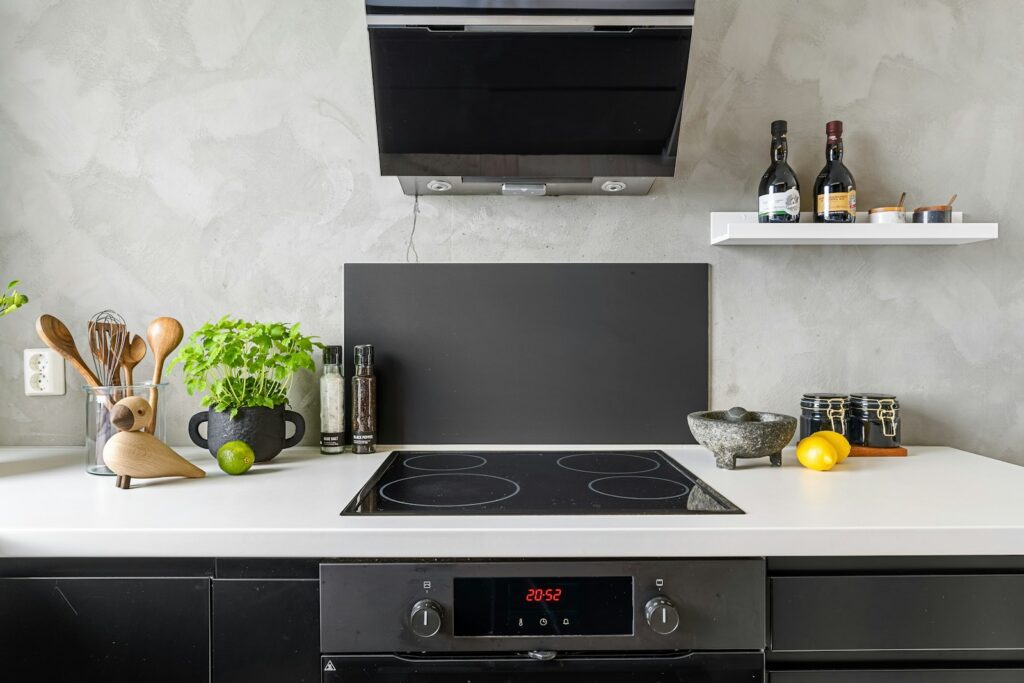
Venice has many apartments inside historic buildings. Their kitchens vary from well-equipped family cooking spaces to compact kitchenettes with limited appliances.
The kitchen should be assessed before the chef agrees to an elaborate menu.
Send recent photographs showing the cooking area, dining table and available equipment. If possible, include pictures taken by the host rather than relying only on wide-angle accommodation listing images.
Cooking appliances
Check whether the apartment has a gas hob, induction hob, electric stove or another arrangement. The type matters because some cookware is not compatible with induction.
Also confirm whether there is a conventional oven or only a microwave or combination appliance.
A menu involving roasted fish, baked dishes or several hot courses may be difficult to prepare with only two burners and no proper oven.
Ask whether all appliances are working and whether the chef needs any additional equipment.
Counter space and refrigeration
The chef needs somewhere to prepare ingredients safely. In a small apartment, there may be little room between the sink and hob.
Clear the counters before the chef arrives. If you have food, drinks or groceries already stored in the kitchen, ask which items should be moved.
Refrigerator space is particularly important for menus involving fresh fish, shellfish, dairy or desserts that need chilling.
Ask whether the chef plans to bring ingredients that need immediate refrigeration and whether the refrigerator must be cleared beforehand.
Pots, pans and utensils
A holiday kitchen may have enough equipment for breakfast or basic pasta but lack the cookware needed for several courses.
Ask the chef which items are essential, including:
- Large saucepans and suitable frying pans.
- Baking trays and ovenproof dishes.
- Sharp knives and chopping boards.
- Mixing bowls and preparation containers.
- A colander and other pasta equipment.
- Serving platters and suitable utensils.
- Enough plates, glasses and cutlery for all guests.
Some chefs bring their own tools and small equipment. Others expect the accommodation to supply ordinary cookware.
If specialist equipment is required, confirm who supplies it and whether an extra charge applies.
Dining table and seating
Check whether everyone can sit comfortably at the table.
An apartment advertised for six guests may have six beds but only four dining chairs. Some properties use a small breakfast table or a folding dining surface.
For a multi-course dinner, the table also needs room for plates, glasses and serving dishes.
If you plan to invite additional guests, verify the seating arrangements before selecting the menu and service style.
Can a private chef work in a very small Venetian kitchen?
Sometimes, provided the menu is suitable.
A small kitchen might comfortably support a dinner of cold antipasti, one freshly prepared pasta course and a dessert assembled from ingredients prepared earlier.
It may be less suitable for a menu requiring several pans on the stove simultaneously, large roasting trays or complicated last-minute plating.
If the kitchen is small, ask the chef to design the menu around the available facilities.
Some preparation may be completed in an appropriate professional kitchen before the chef arrives, with the dishes finished or served at the apartment.
However, you should understand which stages are prepared on-site. A dinner described as cooked in your apartment may involve a mixture of pre-preparation and final cooking.
If the apartment has no suitable kitchen at all, a delivered catered meal or a restaurant reservation may be more practical.
What kind of menu can you request?
Private chefs in Venice offer traditional Venetian cooking, contemporary Italian cuisine and other styles depending on their background.
Most can discuss a proposed menu before the booking is finalized. The degree of customization depends on the ingredients, kitchen facilities and agreed budget.
A traditional Venetian dinner
A menu focused on Venetian specialties might begin with cicchetti or small antipasti, followed by a pasta or rice course and a main dish.
Possible dishes include:
- Baccalà mantecato: Salt cod prepared into a creamy spread, commonly served on polenta or bread.
- Sarde in saor: Sardines with sweet-and-sour onions, traditionally including vinegar, raisins and pine nuts.
- Bigoli in salsa: Thick pasta with a sauce commonly made from onions and salted anchovies or sardines.
- Risotto with seasonal ingredients: Rice prepared with vegetables, fish or seafood.
- Seppie al nero: Cuttlefish cooked with its ink, often accompanied by polenta.
- Fegato alla veneziana: Liver prepared with onions, usually served with polenta.
- Traditional biscuits or desserts: Such as zaeti, tiramisù or another dessert chosen by the chef.
These are menu possibilities, rather than dishes every chef can or will provide.
Ask how many courses are included and whether all diners receive the same menu. Some chefs can prepare separate options for guests with different tastes, while others charge more for additional dishes.
A seasonal seafood dinner
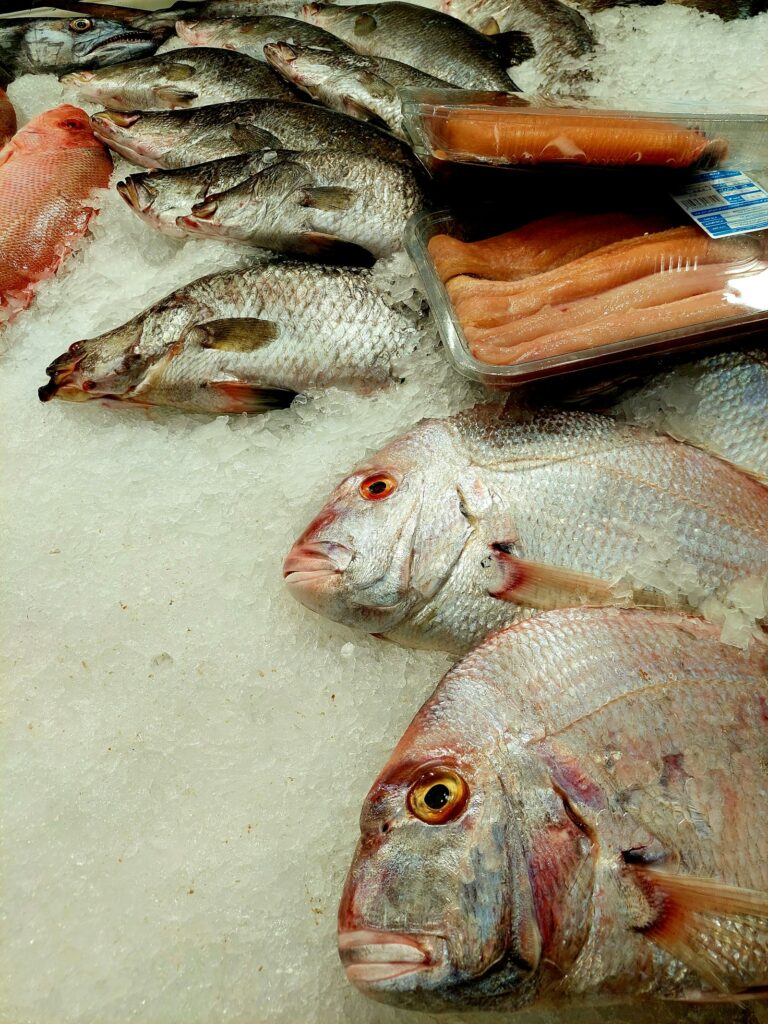
Venice is associated with fish and seafood from the Adriatic and lagoon, although the availability of individual species varies throughout the year.
A chef may propose fish selected from the market, pasta with shellfish or a risotto using seasonal seafood.
Ask whether the chef will choose the catch according to availability or whether a particular fish is guaranteed.
If you especially want moeche, the soft-shell crabs associated with Venetian spring and autumn, ask about their expected availability and price. They have a limited season, and their presence on a menu should never be assumed.
Some seafood dishes also require substantial cleaning or preparation. If the apartment has limited facilities, discuss whether the chef will arrive with the fish already prepared.
A vegetarian or vegetable-focused menu
Venetian ingredients can also work well in a vegetarian menu. Seasonal vegetables, polenta, rice and suitable pasta dishes provide plenty of possibilities.
You might request vegetable cicchetti, a risotto with seasonal produce, grilled vegetables and a traditional dessert.
Make the dietary preference clear when requesting the menu. Some apparently vegetable-based Italian dishes use meat stock, anchovies or animal-derived cheese.
A vegan menu requires further consideration of eggs, butter, milk and cheese, particularly in fresh pasta and desserts.
A dinner for a birthday or anniversary
For a special occasion, the chef may be able to arrange a more elaborate menu, additional wine pairings, a celebration cake or table service.
Ask which extras the chef supplies personally and which require another provider.
Flowers, special decorations, premium wines and additional serving staff may increase the price.
For a celebration in a rented apartment, confirm the permitted guest count and any restrictions on music or late-evening noise before arranging the additional services.
Does the chef buy ingredients at Rialto Market?
Some chefs shop at Rialto Market, while others use established suppliers, local food shops or wholesale sources.
If shopping at the market is important to you, ask rather than assuming the chef purchases everything there.
Rialto has separate trading arrangements for produce and fish. According to Venice’s official market information, the fish market normally operates Tuesday through Saturday from 7 a.m. to 2 p.m. It is closed on Sundays and Mondays.
The fruit and vegetable market normally operates Monday through Saturday, with Sunday as its regular closing day.
This matters when you are arranging a seafood dinner for Sunday or Monday.
A chef may purchase suitable fish in advance and store it under appropriate conditions, or source the ingredients elsewhere. What matters is that the ingredients remain suitable and the chef has planned around market closures.
Do not assume that the menu must change simply because Rialto’s fish stalls are closed. Ask about the sourcing and preparation arrangements instead.
Food allergies and dietary restrictions
A private chef can often customize a menu more easily than a restaurant serving many customers, but customization alone does not guarantee a safe meal for someone with a serious allergy.
Venetian menus may contain fish, crustaceans, molluscs, wheat, eggs, dairy, pine nuts and other allergens.
There is also an additional issue with holiday apartments: their cookware, utensils and worktops may have been used by previous guests to prepare foods containing allergens.
Under European Union food-information requirements, businesses supplying non-prepacked food must provide information about specified allergens present in the food. This does not guarantee that they can eliminate cross-contact in a particular kitchen.
For a serious allergy, provide the chef with the specific allergen and explain the medically necessary precautions before booking.
Ask:
- Which ingredients will be used in every course?
- Will the allergen be handled anywhere during the meal preparation?
- Can separate or suitably cleaned utensils and cookware be provided?
- How will ingredients be transported and stored?
- How will cross-contact be prevented on shared work surfaces?
- Can the chef safely accommodate the requirement in an unfamiliar apartment kitchen?
- What happens if an ingredient needs to be substituted?
For celiac disease, merely replacing ordinary pasta with gluten-free pasta may be insufficient if the kitchen and preparation equipment cannot be managed safely.
If a guest has a milk allergy, lactose-free cheese or dairy products are not automatically appropriate because they may still contain milk proteins.
For guests at risk of anaphylaxis, follow the individual’s medical emergency plan and keep prescribed emergency medication accessible.
If the chef cannot explain how the necessary precautions will be handled, choose another dining arrangement.
How much does a private chef in Venice cost?
There is no fixed citywide price. The cost depends on the number of guests, menu, ingredients, cooking facilities and level of service.
As a current published example, Take a Chef’s Venice pricing page shows approximately €105 per person for a dinner for two and €84 per person for six guests. Those examples represent total bookings of €210 and €504 respectively, according to the platform’s displayed pricing.
Another provider, Chef on Demand, publishes a 2026 example of €215 per person for a five-course dinner for two in Venice, with preparation, service and cleanup included.
These examples refer to different companies, menus and service arrangements. They are useful for understanding the range of advertised offers, but should not be treated as standard rates for Venice.
For a more formal dinner, premium seafood, several serving staff or special transport arrangements, the final price may be higher.
When requesting a quotation, provide the actual guest count and apartment address. A price advertised per person may depend on a minimum group charge, so the displayed individual rate does not always tell you the final amount.
Why smaller groups may pay more per person
The chef must plan the menu, shop, transport the ingredients, prepare the food and clean the kitchen regardless of whether two or eight people attend.
Those tasks create costs that do not increase in direct proportion to the number of diners.
For this reason, some chefs set a minimum booking amount. Others charge a higher per-person rate for couples than for larger groups.
If your dinner is for two, compare the full price with a restaurant offering a similar number of courses. A restaurant may be considerably less expensive, particularly when the chef’s travel and preparation costs are substantial.
For a family of six or a group of friends, spreading those costs between more people may make an apartment dinner more attractive.
However, a larger group also requires enough kitchen space, seats, tableware and potentially additional service staff. The cost per person will not necessarily continue decreasing as the party grows.
What should the quoted price include?
A full-service quotation should explain what the chef will provide and what you must supply.
- Menu planning: Discussion of the courses and any agreed substitutions.
- Ingredients: Shopping and the food required for the complete menu.
- Transportation: The chef’s travel and delivery of supplies to your apartment.
- Cooking: Preparation and completion of the agreed dishes.
- Table service: Bringing courses to the table and clearing them afterward.
- Cleanup: Washing cooking equipment and cleaning the agreed areas.
- Equipment: Any additional pans, utensils or specialist tools required.
- Tableware: Plates, glasses, cutlery and serving dishes, if supplied.
- Staff: Additional waiters or assistants where necessary.
- Drinks: Wine, water or other beverages, if included.
- Additional charges: Taxes, booking fees, transport supplements and other expenses.
Do not assume every service includes the same items.
For example, Take a Chef’s published description includes menu planning, ingredients, cooking, table service and cleanup but specifies that tableware and glassware are not included.
Other chefs may supply dishes or arrange equipment rental, particularly for a larger dinner.
Ask for a final total showing every agreed charge. This is especially important when comparing a complete dinner package with a quotation covering only the chef’s labor.
Are wine and other drinks included?
Some private dinner packages include wine pairings, while others leave beverages entirely to the guests.
If wine is included, ask how much will be served and whether the selection is fixed.
For a Venetian menu, the chef might suggest regional wines from the Veneto or nearby wine-producing areas. However, the particular bottles and their prices should be agreed before the event.
If you want to supply your own wine, ask whether that is permitted and whether the chef can provide glasses, chilling arrangements and appropriate service.
Also confirm that water and non-alcoholic drinks will be available.
For a family dinner, make sure children’s drinks are included or that you know what to provide.
If the chef is expected to bring several bottles of wine or other heavy supplies, ask whether any additional transport charge applies.
How early will the chef arrive?
The chef normally needs access to the apartment well before dinner is served. The required preparation time depends on the menu and how much work has been completed in advance.
A relatively simple three-course dinner may require a shorter setup period than a formal tasting menu involving several hot dishes.
Some Venice-based services describe arrival around 60 to 90 minutes before serving, but more elaborate arrangements may require considerably longer.
Ask for three separate times:
- Chef arrival: When the chef and any assistants need access to the apartment.
- Dinner service: When the first course will be served.
- Departure: When cleanup is expected to finish and the chef will leave.
This distinction matters when your property has self-check-in, restrictions on visitors or a host who needs to approve access.
If you want dinner at 7:30 p.m., you may need to return to the apartment earlier to let the chef in and explain how everything works.
For an elaborate dinner, the chef may ask for access while you are still sightseeing. Do not hand over keys or access codes without first agreeing on the arrangement with the host and service provider.
What if you want to eat on a rooftop terrace?
Some Venetian holiday apartments have private terraces or outdoor dining spaces overlooking canals and rooftops.
A terrace dinner can be possible, but the chef needs to know how food will reach the dining area and what equipment is available.
First, confirm that the terrace belongs to your rental and that dining with an outside chef is permitted.
Some rooftop areas are shared with other apartments, and access does not automatically mean you may use the space for a private catered dinner.
Then check:
- Whether the terrace is reached by stairs.
- Whether there is enough seating for all guests.
- How far it is from the kitchen.
- Whether there is suitable lighting.
- Whether the table is protected from wind.
- Whether candles, burners or other heat sources are permitted.
- Whether there is enough indoor space for a weather backup.
Venice can be windy, particularly on exposed rooftops. Even during summer, the weather may be unsuitable for outdoor dining on a particular evening.
Ask whether the entire dinner can move indoors without disrupting the cooking and serving arrangements.
Do not assume that a chef can operate a barbecue or portable gas burner on a terrace simply because outdoor space is available. The property rules and applicable safety requirements must be respected.
What happens during cleanup?
Many private chefs include kitchen cleanup as part of the service, but the exact responsibilities need clarification.
A standard arrangement may involve washing the cooking equipment, clearing used plates, cleaning preparation surfaces and leaving the kitchen in a suitable condition.
However, some chefs expect the apartment to have a dishwasher or sufficient cleaning supplies, while others bring what they need.
Ask whether cleanup includes:
- Washing all plates, glasses and cutlery used during dinner.
- Cleaning pots, pans and preparation equipment.
- Wiping the stovetop and counters.
- Cleaning any spills caused during food preparation.
- Returning borrowed equipment to its original place.
- Refrigerating or disposing of leftovers appropriately.
- Separating the rubbish created by the meal.
Do not assume that dinner cleanup includes unrelated household cleaning or washing dishes left in the sink before the chef arrived.
It is also useful to agree on what happens to unused ingredients and remaining food.
If you want to keep leftovers for the following day, ask the chef to explain how they should be cooled, stored and reheated safely.
Rubbish disposal works differently in Venice
Venice’s historic center uses a particular rubbish collection system. Leaving rubbish bags outside the apartment after dinner is not an appropriate solution.
According to Veritas, the city’s waste collection operator, the historic center generally uses morning collection points and door-to-door collection, with different days for paper and for glass, plastic and cans.
For example, paper and cardboard are collected on Mondays, Wednesdays and Fridays, while glass, plastic and cans are scheduled for Tuesdays, Thursdays and Saturdays. Residual waste is collected Monday through Saturday, excluding applicable holidays.
Your accommodation host should explain the correct procedure for the apartment.
Before the dinner, ask whether the chef will separate waste and leave it securely inside the property for the normal collection arrangements.
This is particularly important after a seafood dinner, when food waste and packaging should not be left exposed in a shared entrance or public street.
Agree on who is responsible for the rubbish after the chef leaves, especially if your checkout is early the following morning.
Can you arrange a private chef for a family with children?
A private dinner can be convenient for families who prefer to eat at the apartment after sightseeing.
You can arrange an earlier meal, request familiar dishes and avoid traveling to a restaurant when younger children are tired.
However, you should discuss the children’s requirements before the menu is finalized.
Ask whether the chef can prepare smaller portions, a separate children’s menu or simple dishes alongside the adults’ meal.
For example, the adults might have a seafood tasting menu while the children eat pasta with tomato sauce or another agreed dish.
A separate menu may increase the price because it requires additional ingredients and preparation.
Also ask whether a child can eat earlier than the adults. Staggering the meal may be possible, but it affects the chef’s schedule and kitchen arrangements.
The presence of a chef does not replace childcare. Parents remain responsible for supervising children around knives, hot pans and other kitchen equipment.
If you need someone to supervise children while the adults dine, arrange that separately rather than assuming the chef or waiter will provide babysitting.
How far ahead should you book?
For a relatively simple dinner with a flexible menu, beginning enquiries one or two weeks before your preferred date is a reasonable approach.
More time may be necessary when you want a particular chef, a large group, an elaborate menu or additional staff.
Availability can also be affected by Carnival, major public holidays and large events in Venice.
For Christmas Eve, Christmas Day, New Year’s Eve or a special celebration, begin planning earlier and ask whether holiday pricing or a fixed menu applies.
For travel in 2027, request current availability and prices rather than assuming that 2026 rates and menus will remain unchanged.
Do not commit to a non-refundable chef reservation before your apartment booking is confirmed and the host has approved the arrangement.
If the property details are uncertain, you can discuss possible menus and requirements first, but the final service should be based on the actual accommodation.
Deposits, payment and cancellation terms
Private-chef bookings may be arranged through a marketplace, a chef’s own website or direct communication with an independent professional.
Some require full advance payment, while others request a deposit and collect the remaining balance later.
The cancellation terms can differ according to the booking channel and the chef’s individual agreement.
Before paying, confirm:
- The total agreed price and currency.
- The deposit or advance payment required.
- The payment method and balance due date.
- The cancellation deadline.
- Whether the deposit is refundable.
- Whether ingredient purchases affect the refund.
- The deadline for changing the menu or guest count.
- What happens if the chef becomes unavailable.
- Whether a replacement chef may be offered.
- Whether you can approve or decline a substitute.
- What happens if the apartment becomes unavailable.
If you book through a platform, read its payment and refund conditions in addition to any arrangements agreed directly with the chef.
For an independent booking, ask for the chef’s business details, relevant professional credentials and information about appropriate insurance and food-handling arrangements.
A clear written agreement is more useful than relying on informal messages about what might be possible.
What if the apartment turns out to be unsuitable?
Sometimes the kitchen shown in the accommodation listing is different from what guests expect.
An oven may not work, a refrigerator may be too small or a property may have fewer plates and utensils than advertised.
If you discover a problem after checking in, contact the chef immediately and explain the limitation.
Possible solutions include simplifying the menu, adjusting the preparation method or using suitable additional equipment.
However, not every problem can be resolved. A chef cannot safely prepare a complicated meal when the required cooking facilities are unavailable.
Ask before booking what happens if the venue is unsuitable when the chef arrives. A provider may offer a revised menu, but the cancellation terms may still apply if the apartment does not meet the requirements agreed beforehand.
For that reason, sending accurate photographs and appliance details before payment is particularly useful.
When a private chef is better than a restaurant
A private chef can make sense when you want to dine with a group in one place, control the menu or avoid traveling to a restaurant.
It can also be useful when your party includes several generations, young children or guests who prefer a quieter setting.
The service may be particularly convenient when everyone is already staying together in a large apartment with a suitable kitchen and dining area.
However, restaurants have professional kitchens, serving staff, appropriate tableware and established food-safety procedures. They also remove the need to coordinate access to a rental apartment.
For two people who mainly want a good Venetian meal, a restaurant may be more economical.
If your apartment has a small kitchen or the host does not permit outside service providers, restaurant dining or catered food delivered to an approved location may be easier.
You can also buy prepared foods or cook a simple dinner using local ingredients if you want an evening at the apartment without paying for a full professional service.
Planning the dinner around your Venice itinerary
A private dinner is easiest to manage on a day when you can return to your accommodation comfortably before the chef needs access.
Avoid scheduling a late-afternoon island excursion or museum appointment that finishes close to the chef’s planned arrival.
Remember that reaching your apartment may involve walking and public water transport, and the chef also needs enough time to set up.
If you are planning the day around Rialto Market, consider whether you want to visit it independently before the meal. That can provide useful context for the seafood, vegetables and regional ingredients the chef may serve.
For more information about what to expect at dinner, see the Italy on Foot guide to traditional Venetian food.
You can also use the Italy on Foot trip planner to coordinate the day’s sightseeing, transport and dinner timing. Record when the chef needs access to the apartment as well as the time dinner will be served.
For practical details about moving between neighborhoods and the surrounding islands, the Italy on Foot guide to getting around Venice explains walking and vaporetto connections.
Avoid arranging another activity immediately after dinner. Allow sufficient time for the meal, cleanup and the chef’s departure.
Questions to ask before hiring a private chef in Venice
Send the chef your travel dates, the complete apartment address, group size, kitchen photographs and preferred menu style. Then request written confirmation of the following details:
- Can you prepare and serve dinner at our exact apartment address?
- Have you received enough information about the kitchen and access arrangements?
- What cooking appliances and equipment do you require?
- Can you bring any specialist equipment that the apartment lacks?
- Will you personally prepare and serve the dinner?
- Do you require an assistant or waiter for our group size?
- Can you propose a menu using traditional Venetian dishes?
- Can we customize the courses and choose alternatives?
- Are all ingredients and grocery shopping included?
- How are seasonal seafood substitutions handled?
- Can you safely accommodate our specific food allergies or dietary requirements?
- Can you provide a separate children’s menu or adjust serving times?
- Does the price include transportation of ingredients and equipment to the apartment?
- Would stairs, bridge crossings or water transport create additional charges?
- Do you bring plates, cutlery, wine glasses and serving equipment?
- Are wine, water and other drinks included?
- What time will you arrive, and when will the first course be served?
- What time will cleanup be completed?
- Does the service include washing dishes and cleaning the cooking area?
- How will leftovers and rubbish be handled?
- Can dinner be served on a terrace, and is an indoor backup possible?
- What is the total price for our entire group, including all additional fees?
- What deposit is required, and when is the balance due?
- What happens if we change the number of diners?
- What happens if our accommodation or travel arrangements change?
- Will a replacement chef be offered if you cannot attend?
- What are the cancellation, refund and rescheduling conditions?
Before making a non-refundable booking, obtain the apartment owner’s permission and confirm that the kitchen can support the agreed menu. The final arrangement should identify the full dinner price, included ingredients, service and cleanup, arrival time and any additional transport charges.
For Venice specifically, make sure the chef knows how to reach the building with supplies and whether there are stairs between the nearest accessible landing or walkway and the kitchen. A carefully planned menu and a confirmed apartment-access arrangement will prevent more problems than choosing an elaborate dinner package without checking the practical details first.