Venice access fee in plain words
What it is, what it is not, and why it matters
The Venice access fee (often shown as “Contributo di Accesso”) is a day-visitor charge used on selected busy dates, and only during a set daytime window. It is not a museum ticket, it does not include water buses, and it does not replace reservations for attractions. Think of it as an entry charge for the historic center on peak days. The system works through a QR code voucher that proves either you paid or you qualify for an exemption. If you are coming in for a few hours to see the canals, Rialto, and St. Mark’s area, this rule matters, because checks can happen and a missing voucher can lead to a fine. Overnight guests inside the Municipality of Venice usually do not pay the access fee because they already pay the local tourist tax through their accommodation, but they may still need to register their exemption and carry proof. That is why planning your timing is as important as planning your route. If you are building a short stay plan, pair the fee rules with a realistic walking schedule so you do not lose time fixing admin issues mid-trip. While mapping your days, you can also use this internal guide: Two Days in Venice Itinerary. Below you will find the active hours, the fee-day calendar, the price rule, where it applies, who pays, who is exempt, how to get your QR code on the official sites, and the mistakes travelers make. It is easy to miss.
When the Venice access fee applies 2026
Active hours and the fee-day calendar
The Venice access fee is not active every day. It is limited to a set of peak dates in spring and early summer, and it applies only during a daytime window, usually 08:30 to 16:00. That time window is the detail most people miss. If you enter the historic center outside those hours, the fee is not due at that time, even if the date is listed as a fee day. This can make an evening visit a smart choice if your schedule allows it. It also means morning arrivals should check the clock, not just the calendar. Many visitors arrive at Santa Lucia station, walk straight into the city, and start sightseeing right away. If it is a fee day and you will be in the historic center during the active hours, assume you need a voucher, paid or exempt. If you arrive after 16:00 for dinner and a night walk, the fee window has ended. The calendar below lists the fee dates by month and day. Use it to match train times, hotel nights, and day trips. Because calendars and rules can change, confirm on the official portal close to your visit. It takes one minute. If you are unsure, register anyway, because the voucher is easier than sorting it out during a check. No stress. If you are doing a day trip, decide your entry time before you book trains, because shifting your arrival by one hour can change whether you need a voucher.
| Month | Fee days (month/day) 2026 |
|---|---|
| April | 3-6, 10-12, 17-19, 24-30 |
| May | 1-3, 8-10, 15-17, 22-24, 29-31 |
| June | 1-7, 12-14, 19-21, 26-28 |
| July | 3-5, 10-12, 17-19, 24-26 |
How much it costs and how to pay less
The two prices and the timing rule
The access fee has two price levels, and the only difference is how early you pay. The lower price is €5 if you pay no later than the fourth day before your entry date. The higher price is €10 if you pay within the last three days before entry, including the day you enter. For most travelers, the best habit is simple: as soon as you know which day you will be in the historic center during active hours, register and pay. This usually locks the lower price and saves you from doing forms on a crowded platform or while you are already tired. It also keeps your group consistent. A common issue is one person buys early, another waits, and someone forgets. Fix that by doing it once for everyone, and saving all vouchers in one place. The fee is generally charged to visitors aged 14 and up, so families with younger children may need fewer paid vouchers, but you should still be ready to show ID if asked. The voucher is tied to a specific date, so check your plan before you buy. Once you get the QR code, save it in your email and on your phone, and take a screenshot as backup, because mobile data can be slow in crowds. Also make sure the names on the voucher match the traveler, because checks are easiest when the details are clear. It covers the whole day, not one entry. The table below sums up the timing rule.
Planning Venice? Grab the step-by-step digital guide
| When you pay (relative to entry date) | Price per person |
|---|---|
| 4+ days before | €5 |
| 0-3 days before | €10 |
Where the fee is enforced
Historic center, islands, and transit-only areas
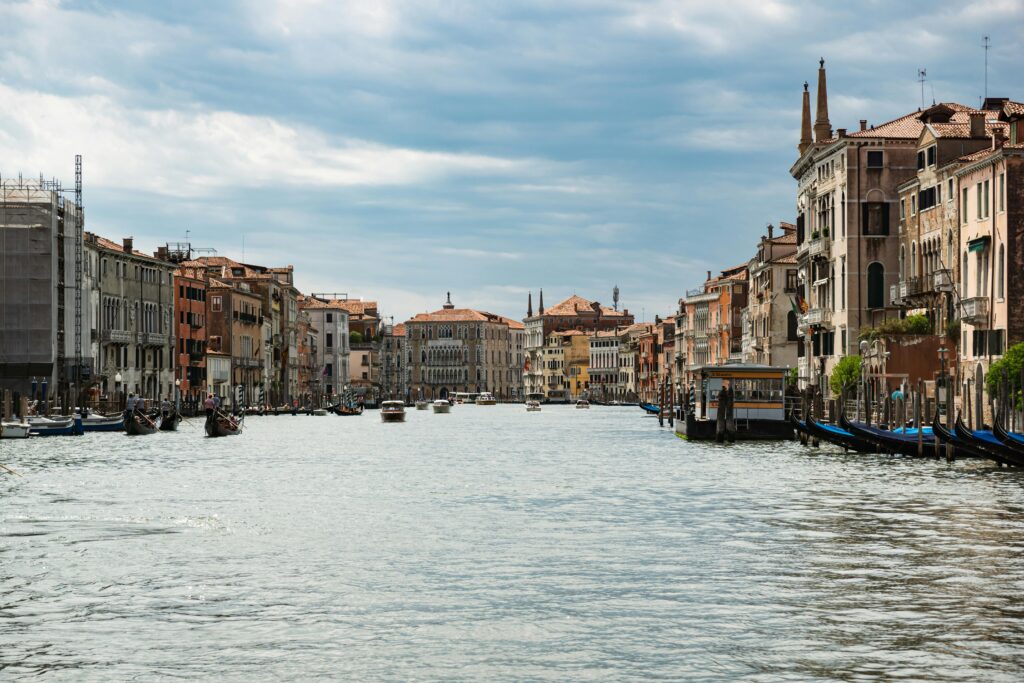
The access fee is aimed at the historic center, meaning the main Venice of canals, bridges, and top landmarks where day visitors concentrate. If you are walking from Santa Lucia station toward Rialto and St. Mark’s Square during the active hours on a fee day, plan as if the rule applies. The tricky part is that Venice is a lagoon city with many islands, and not every area is treated the same. In general, the minor islands are not subject to the fee, which is helpful if your plan is focused on places like Murano, Burano, or Lido. But mixed days need care. If you do Burano in the morning and then enter the historic center for lunch and sightseeing before 16:00, you should have a voucher. If you want an island-only day, route your water transport so you do not drift into the historic center during the window. There are also special transit-only cases around key gateways such as the station area, Piazzale Roma, and Tronchetto. These are meant for people transferring transport, not touring. The practical rule is easy: if you leave the gateway zone and start sightseeing, you are no longer in transit, so you should have a voucher. If you mix islands and the historic center, plan around the historic center window first. Boundaries can be technical, so use the official portal for the exact map, and plan your day with one simple rule: if you sightsee in the historic center during the window, have a voucher.
Who pays and who is exempt
The age rule and the cases tourists see most
Most people who pay are day visitors: age 14 or older, entering the historic center during the active hours on a fee day. If that describes your plan, budget for the fee and register early. The confusing part is exemptions. Some groups do not pay, but they may still need to register and carry proof, because checks are about showing you are allowed to be there without payment. The most common traveler exemption is staying overnight within the Municipality of Venice. In that case, your accommodation typically collects the tourist tax, and you are not charged the access fee for entering the historic center. Still, the official system may ask you to select the overnight-guest option and save an exemption voucher. Another common exemption is for residents of the Veneto region. Other categories include residents of the municipality, people who work in Venice, and students who attend school there. There are also exemptions for certain disability-related cases and documented medical travel. If you are not sure, do not assume. Use the official portal, choose the category that matches you, and follow the proof rules shown there. For tourists, a quick rule works well: day trip from Mestre, Padua, Verona, or a cruise stop usually means you pay if you visit during the window; an overnight stay inside the municipality usually means you register as exempt; families often pay for adults and teens but not for younger children. Always. The table below helps you decide fast before you book.
| Visitor type | Do you pay? | What to have ready |
|---|---|---|
| Day tripper (14+) in historic center during active hours | Yes | Paid QR code voucher |
| Overnight guest within the Municipality of Venice | Usually no | Exemption voucher or booking proof as requested |
| Child under 14 | No | ID if asked |
| Veneto resident | Usually no | Exemption voucher or proof as requested |
How to get your QR code on the official sites
Where to buy or register and how to store it
Use only official pages to register and pay, because the process is quick and it reduces the risk of scams. Start with the official access-fee portal at https://cda.ve.it, which guides you to the correct flow. For clear explanations of who pays, who is exempt, and what rules apply, you can also use the Municipality information page at https://www.comune.venezia.it/it/cda-info. The voucher and payment steps are commonly handled through the official Venice services platform at https://cda.veneziaunica.it. The usual steps are simple. Choose your entry date for the historic center and confirm it is a fee day. Select whether you are paying or claiming an exemption. Enter the required details for each person, commonly including name and surname, because the voucher is meant to match the person using it. If you are paying, complete payment and save the confirmation. If you are exempt, complete the exemption registration and save that voucher too. Before you travel, open each QR code once to confirm it loads, then save a screenshot as backup. If you are traveling as a group, store all vouchers in one shared place so nobody is stuck searching email in a crowd. On the day, keep your phone charged and your QR code easy to reach. Also double-check spelling and dates, because small typos can slow down a check. If your plans change, re-check the official portal that same day so you know what you need to show.
Checks, fines, and a quick checklist
How to avoid problems on busy days
On fee days, checks are designed to be fast. Officials can ask you to show your QR code voucher in public areas, especially along routes day visitors take from the station and main bus entry points toward the busiest sights. If you can show the QR code quickly, the check is usually over in seconds. If you cannot show a valid voucher when the fee is required, you risk an administrative fine, and you can also be charged the access fee amount due for that day. The commonly stated fine range is €25 to €150, plus an extra charge equal to the fee due. The bigger risk is trying to claim an exemption you do not have. False declarations can lead to serious trouble, so it is never worth guessing. The mistakes that cause the most stress are predictable: assuming a transport pass covers entry, assuming staying in Mestre counts for exemption, entering the historic center during active hours after a morning on the islands without a voucher, and buying the voucher for the wrong date because plans shifted. The fix is planning and organization. Use the official portal early, pay at the lower price when possible, and store the QR code where it is easy to reach. Also watch your timing. If you can visit after 16:00, you may avoid the fee window and often enjoy a calmer city. Keep basic ID with you, because it can help in edge cases. Save this short checklist to your notes app:
- Check your date and active hours on the official portal.
- Get a paid or exempt QR code for each required person.
- Pay 4+ days ahead when you can.
- Save each QR code and a screenshot.
- Re-check the official portal if plans change.
