If a whole platform suddenly empties, check your train number before following the crowd. Italian train platform changes can be announced close to departure, and the new binario may be across an underpass, up a level, or through a different gate. Match the train number and departure time on the Partenze board, read the current Binario, take all your luggage, and move immediately by the signed route.
The key point is that the platform is live information, not something to memorize from an earlier app check. RFI, which manages most Italian stations, distributes real-time departure information through station screens, LED boards, and audio announcements. Its own online live monitor warns that web information can appear up to three minutes later than what is being shown in the station, so the physical station information is the one to watch when seconds matter. RFI’s live Arrivals and Departures monitor is useful as a backup.
What is actually happening when everyone moves?
A train may be reassigned from its planned track to another one because of traffic management, a late-running service, an occupied platform, or another operational change. In Italian, this is a variazione di binario. The number you need is the new binario, which is the track/platform number used for boarding.
RFI’s announcement manual includes a specific departure announcement for a track change. The useful words are dal binario X invece che dal binario Y, meaning the train is now leaving from track X instead of track Y.
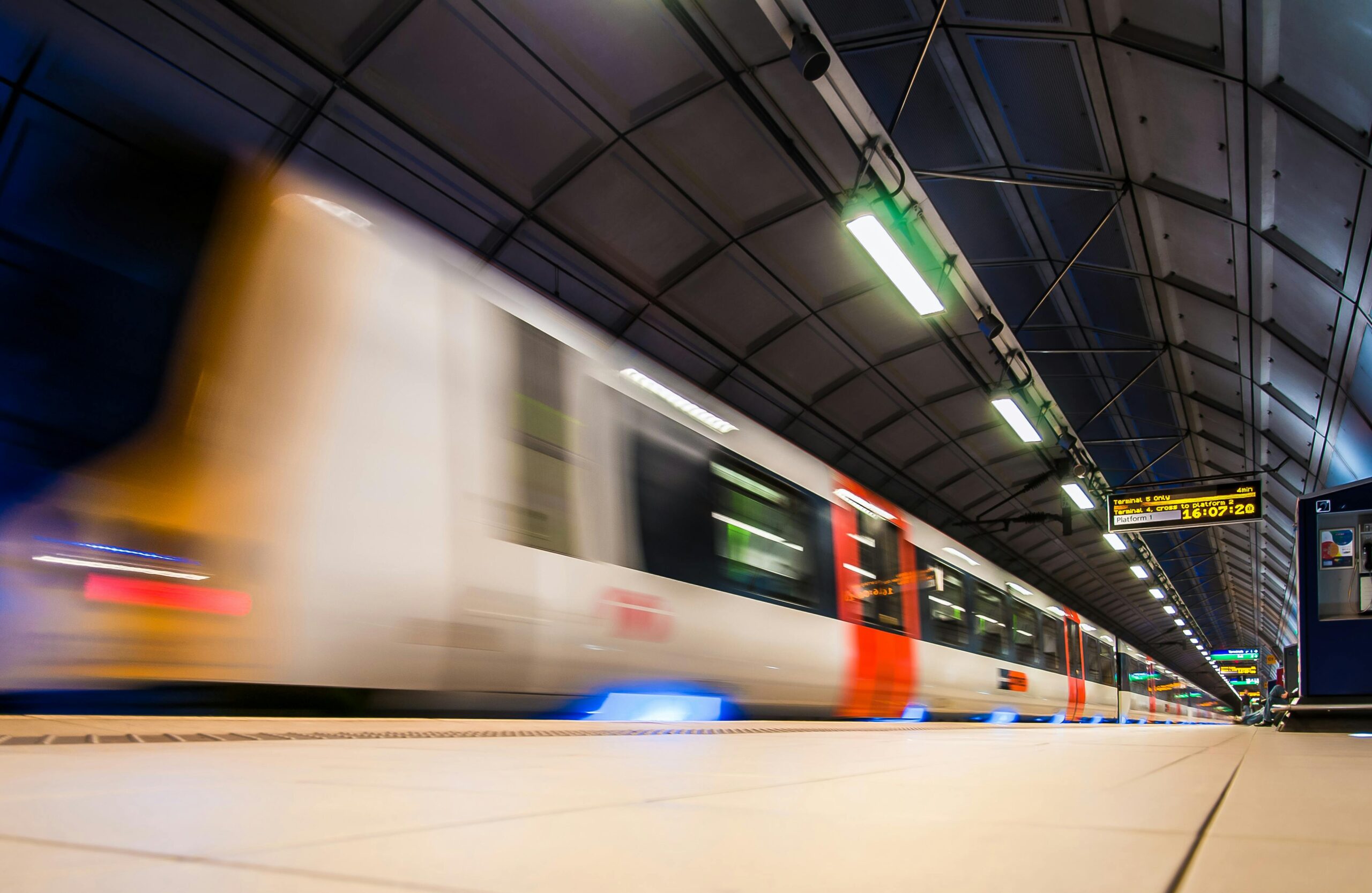
Do not assume every person running toward the stairs is on your train. At a large station, two departures can change at nearly the same moment. Your safest identifier is the train number, followed by the scheduled departure time. If you are still getting comfortable with Italy’s rail system, the Italy by train beginner’s guide explains the differences between high-speed, Intercity, and regional services.
The 30-second response to a platform change
- Find your train number. Look on your ticket or operator app for the Frecciarossa, Intercity, Regionale, or Italo train number.
- Look at the Partenze board. Match the number and departure time, not just the destination.
- Read the current Binario. If it has changed, ignore the old number you saw earlier.
- Take every bag with you. Do not leave a suitcase on the old platform while one person goes to investigate.
- Follow the signed route. Use the sottopassaggio (underpass), sovrappasso (overpass), stairs, escalator, or lift. Never improvise a shortcut across the rails.
- Check again when you arrive. The smaller screen on or above the platform should show the same train, time, and destination before you board.
How to read the departure board fast
Look for Partenze, not Arrivi. The columns that matter most are usually:
- Treno: train number.
- Destinazione: the train’s final destination, which may be farther away than your stop.
- Orario: scheduled departure time.
- Ritardo: delay.
- Binario: the current boarding track/platform.
- Informazioni: extra notes such as a gate, replacement bus, or carriage information.
The destination column can mislead first-time travelers because your city may be an intermediate stop and therefore not appear as the headline destination. Train number solves that problem. If your ticket says train 9520, look for 9520 first, then confirm the time and route.
If the Binario field is blank
Stay where you can see a main departure screen instead of walking to a platform based on yesterday’s pattern or another traveler’s guess. Track assignments can appear close to departure. A blank field does not mean the train is cancelled. Wait for the assignment, keep your bags ready, and listen for announcements.
If your phone and the station board disagree
Use the in-station visual and audio information, then ask railway staff if the conflict remains. RFI explicitly tells passengers to pay attention to the announcements and displays inside the station because its online information may lag slightly. For Italo services, Italo in Viaggio also shows live station boards and track information when available.
How to get to the new platform without making things worse
At large terminal stations, a track change may simply mean walking sideways across the main concourse to another platform entrance. At through-stations, the new track may be on the opposite side of the railway, which means going down into a sottopassaggio and back up. Some stations use an overbridge instead. Follow the numbered signs rather than the flow of people.
At gated stations, remember that Gate and Binario are not the same thing. A gate can be the access point to the platform area, while the binario is the actual track number. If a screen gives both, follow the gate instruction first and keep checking the track number inside.
For Rome specifically, this guide to Rome’s train stations explains the different layouts of Termini, Tiburtina, Ostiense, and the other stations travelers commonly confuse.
With luggage, children, or a stroller
A last-minute move feels much longer with a suitcase. Keep luggage handles extended and small items consolidated before the platform is announced. One backpack, one tote, one loose coffee, and one rolling case is a bad combination when you suddenly have to change levels. If you are deciding what luggage works best for rail-heavy trips, the practical Italy packing list focuses on bags you can actually move through stations and up steps.
With children, make one adult responsible for the children and the other for bags if possible. Do not split the group between the old and new platforms. With a stroller, use the lift where available rather than trying to rush stairs while carrying it open.
If you use mobility assistance
If you have booked RFI assistance, do not follow a running crowd and abandon the assistance plan. Tell the assisting staff or station personnel immediately that your train’s track has changed. RFI’s Sala Blu network coordinates free station assistance for passengers with disabilities or reduced mobility, including accompaniment through the station and boarding assistance. Station accessibility can also be affected temporarily by lift outages, so a change of track may require a different route. Check current Sala Blu information before travel if you need assistance.
The Italian words worth recognizing
- Binario: track/platform.
- Variazione di binario: change of track/platform.
- Partenze: departures.
- Arrivi: arrivals.
- In partenza: departing.
- Ritardo: delay.
- Soppresso: cancelled.
- Sottopassaggio: underpass.
- Ascensore: lift/elevator.
- Scale mobili: escalators.
- Carrozza: carriage/coach.
If the announcement is too fast, you do not need to understand every word. Listen for your train number, departure time, destination, and binario. A useful question to staff is: “Da quale binario parte il treno 9520?” That means, “Which platform does train 9520 leave from?”
Common mistakes that turn a simple change into a missed train
- Following the crowd without checking the train number. The crowd may be reacting to another departure.
- Trusting a screenshot. A platform number captured ten minutes earlier is not live information.
- Watching only the app. Keep looking at the station board once you are inside the station.
- Matching only the city name. The board may show the train’s final destination rather than your stop.
- Waiting on the old platform for another announcement. Once the live board confirms a new track, start moving.
- Boarding the first train you see. Confirm the platform display or ask staff before stepping aboard.
- Trying to cross the rails. Follow the station’s signed pedestrian route, even when the detour feels annoyingly long.
What changes at a big terminal versus a small station
Roma Termini, Milano Centrale, Firenze Santa Maria Novella and similar terminals
These stations have many tracks and large central departure boards. Stay near a board until your track is confirmed, especially if no binario is shown yet. Once it appears, move toward the numbered platform access point. If ticket-control gates are in use, have your QR code ready so you do not lose time digging through email at the entrance.
Smaller through-stations
The harder part is often changing sides. Track 1 may be beside the station building while tracks 2 and 3 are reached through an underpass or overbridge. A two-track change can therefore involve stairs in both directions. On small platforms, check the electronic display if there is one and listen closely to the loudspeaker because there may be fewer staff nearby.
If the platform changes during a tight connection
As soon as your first train arrives, check the live departure board for the second train rather than heading toward the track you expected. If the connection is very tight, ask onboard staff before arrival whether they have current information, but recheck inside the station because the assignment can still change.
If several rail legs are shaping the rest of the day, it helps to organize the rest of your trip around realistic transfer time instead of treating every published arrival and departure as if they happen on adjacent platforms.
If you miss the train because of the change
Go straight to the operator’s customer service desk, ticket office, or uniformed staff and explain what happened before buying a replacement. There is no single Italy-wide rule saying that every missed departure after a track change automatically earns a free new ticket. The answer can depend on the operator, fare conditions, and whether the miss resulted from railway disruption or conflicting station information.
If the problem is part of a disrupted through-journey, especially when a delayed or cancelled earlier train caused you to miss a protected connection, passenger-rights rules may give you rerouting or refund options. Trenitalia directs passengers at risk of missing a connection because of delay to customer assistance, the ticket office, call center, or onboard staff, while EU rail rules provide stronger protections for missed connections covered by a through-ticket. Check the EU rail passenger-rights page for the current rules.
The habit that prevents most platform-change mistakes
Check your train twice: once when you enter the station and again shortly before boarding. Match train number + time + current binario. If the crowd moves, verify first, then move quickly. That small routine is much more reliable than memorizing a platform number from an app, copying what another passenger does, or assuming the train will leave from the same track it used yesterday.