If the shower suddenly turns cold in a rental apartment, the heater may not be broken at all. Italian apartment hot water often comes from a compact electric storage tank, and once its supply is used, you have to wait while it heats another tankful. A reset helps only when the appliance has actually entered an error or lockout state. It does not make an empty tank hot again.
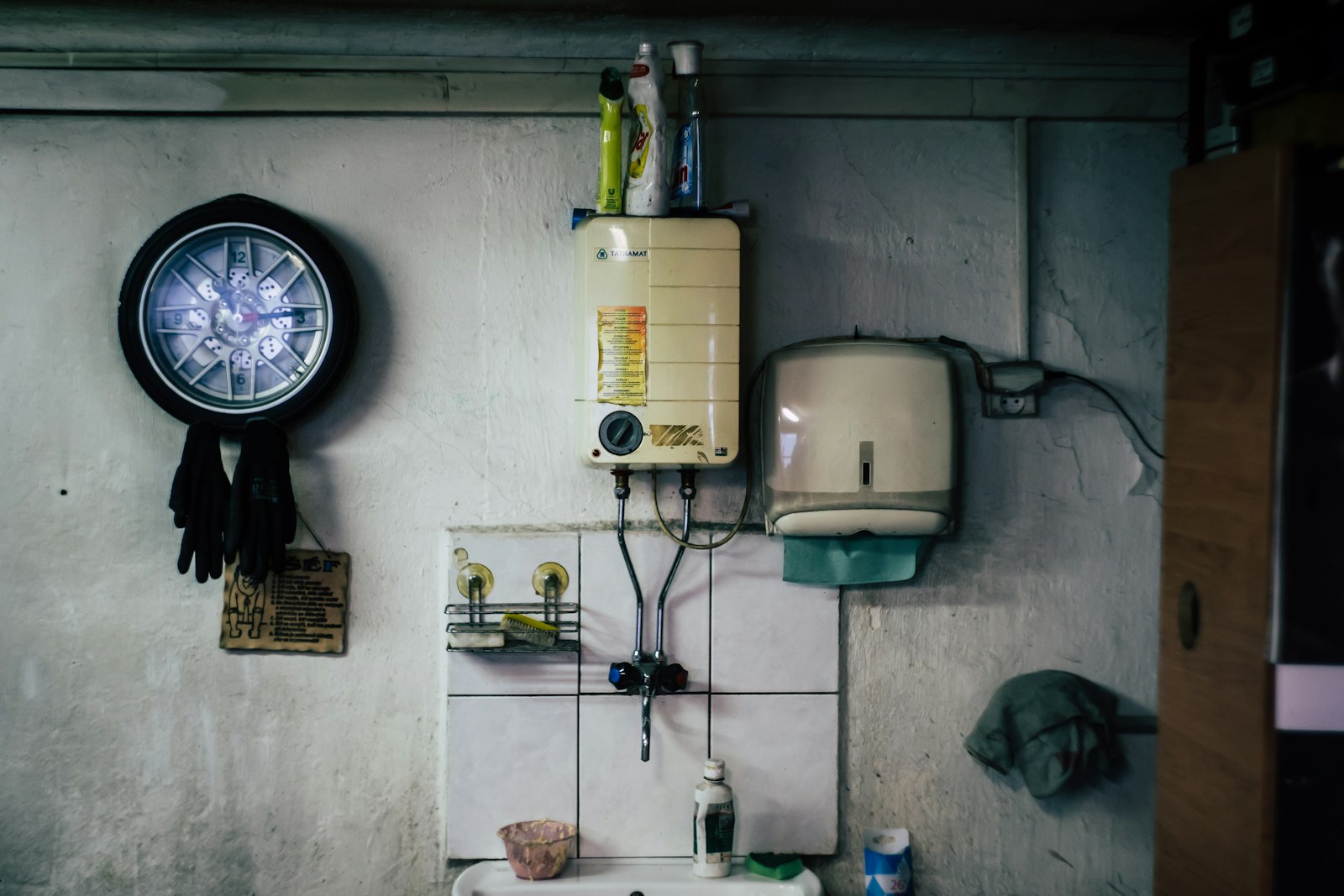
The first job is to identify what is heating the water. Look near the bathroom, kitchen, utility cupboard, balcony or service area for either an electric scaldabagno/scaldacqua or a gas caldaia. The troubleshooting is quite different for each.
First, work out which type of heater you have
A round or flat electric tank
A wall-mounted white cylinder or flat rectangular box is usually an electric storage water heater, called a scaldabagno elettrico or scaldacqua elettrico ad accumulo. Common domestic sizes include 50, 80 and 100 litres, although much smaller units exist.
These appliances heat a fixed quantity of water and store it until somebody opens a hot tap. As you shower, cold mains water enters the tank to replace the hot water leaving it. Eventually the stored water becomes too cool for a comfortable shower.
This is why one person can have plenty of hot water and the next person gets three minutes of warmth followed by disappointment.
A gas boiler with a display and pressure gauge
A caldaia usually serves the apartment’s heating as well as its acqua calda sanitaria, often abbreviated ACS. Many modern units heat domestic water on demand rather than relying on one small tank.
If a combi boiler stops supplying hot water altogether, an error, low system pressure, loss of power, ignition failure or another fault is more likely than simply having used up the supply.
There are exceptions. Some heating systems have a separate storage cylinder, so do not assume every gas installation provides unlimited hot water.
How quickly can a small electric heater run out?
Faster than many travelers expect, particularly when several people shower consecutively.
The number printed on the tank is not exactly the number of litres you can use at shower temperature because very hot stored water is mixed with cold water at the tap. As a real-world manufacturer example, Ariston lists its 50-litre PRO1 ECO as providing 83 litres of mixed water at 40°C under its specified test conditions. The 80-litre model is rated at 133 litres.
The catch is recovery time. The same models list full heat-up times of about 2 hours 17 minutes for 50 litres and 3 hours 40 minutes for 80 litres with a 45°C temperature rise. Your apartment’s appliance may be faster or slower, but the figures show why waiting ten minutes after an emptied tank often achieves very little. You can check the example specifications on Ariston’s official PRO1 ECO page.
You do not necessarily have to wait for the entire tank to reach its final temperature. Some usable hot water may return earlier. For several back-to-back showers, though, giving the heater proper recovery time makes a large difference.
If the first shower was hot and the second is cold
That pattern strongly points toward an exhausted storage tank rather than a reset problem.
- Stop running hot water.
- Check that the heater is switched on.
- Look for a power light, temperature display or heating indicator.
- Leave the unit heating without somebody repeatedly testing the shower.
- Try again later, using a moderate flow rather than opening the shower fully.
If four people need showers from a small tank, spacing them out is far more effective than taking them consecutively. Shorter showers and a slightly lower flow also stretch the available supply.
Do not turn the thermostat to maximum just to speed things up. Higher stored temperatures increase scalding risk and do not magically increase the heating element’s power.
What to check when an electric heater stays completely cold
If nobody has used the hot water and it remains cold after a reasonable heating period, check the simple controls before assuming the appliance has failed.
Check the heater itself
Look for an ON/OFF button, temperature knob or illuminated indicator. Italian labels may include acceso for on, spento for off, and temperatura for temperature.
Some rental owners switch the heater off between guests. If you have just checked in and find a completely cold tank, it may simply have been turned on too recently.
Look for a separate wall switch
An electric water heater can have its own isolating switch away from the appliance. It may be near the bathroom, kitchen, electrical panel or utility area. Do not start operating unidentified switches at random, particularly in an unfamiliar apartment.
Check the electrical panel
The apartment’s quadro elettrico may contain a breaker dedicated to the heater. Labels might say scaldabagno, boiler or bagno.
If a clearly identified breaker has tripped, you can normally return it to its normal position once, provided there is no water leaking around the appliance, burning smell, damaged wiring or other obvious problem. If it immediately trips again, leave it off and contact the host. Repeatedly resetting a protective breaker is not troubleshooting.
You may also see the word salvavita, commonly used for the residual-current protection device. If that keeps tripping, the property needs attention rather than repeated attempts to force the circuit back on.
How to reset an electric water heater safely
There is no universal reset sequence for every heater.
On some electronic models, resetting simply means switching the appliance off with its normal control and turning it back on. Ariston, for example, specifies an off-and-on reset for certain electric storage models and advises technical assistance if the fault returns.
A sensible guest procedure is:
- Photograph the control panel and any displayed error.
- Note the brand and model if the label is visible without dismantling anything.
- Use only the normal ON/OFF or clearly labelled RESET control.
- Power-cycle it once if the manufacturer’s instructions or host indicate that this is the correct procedure.
- If the error returns, stop and send the host the photograph and error code.
Do not remove the heater’s plastic cover to find an internal thermal reset button. That area can contain mains-voltage components. A rental guest should not be dismantling somebody else’s water heater in a bathroom.
What to do with a gas boiler showing an error
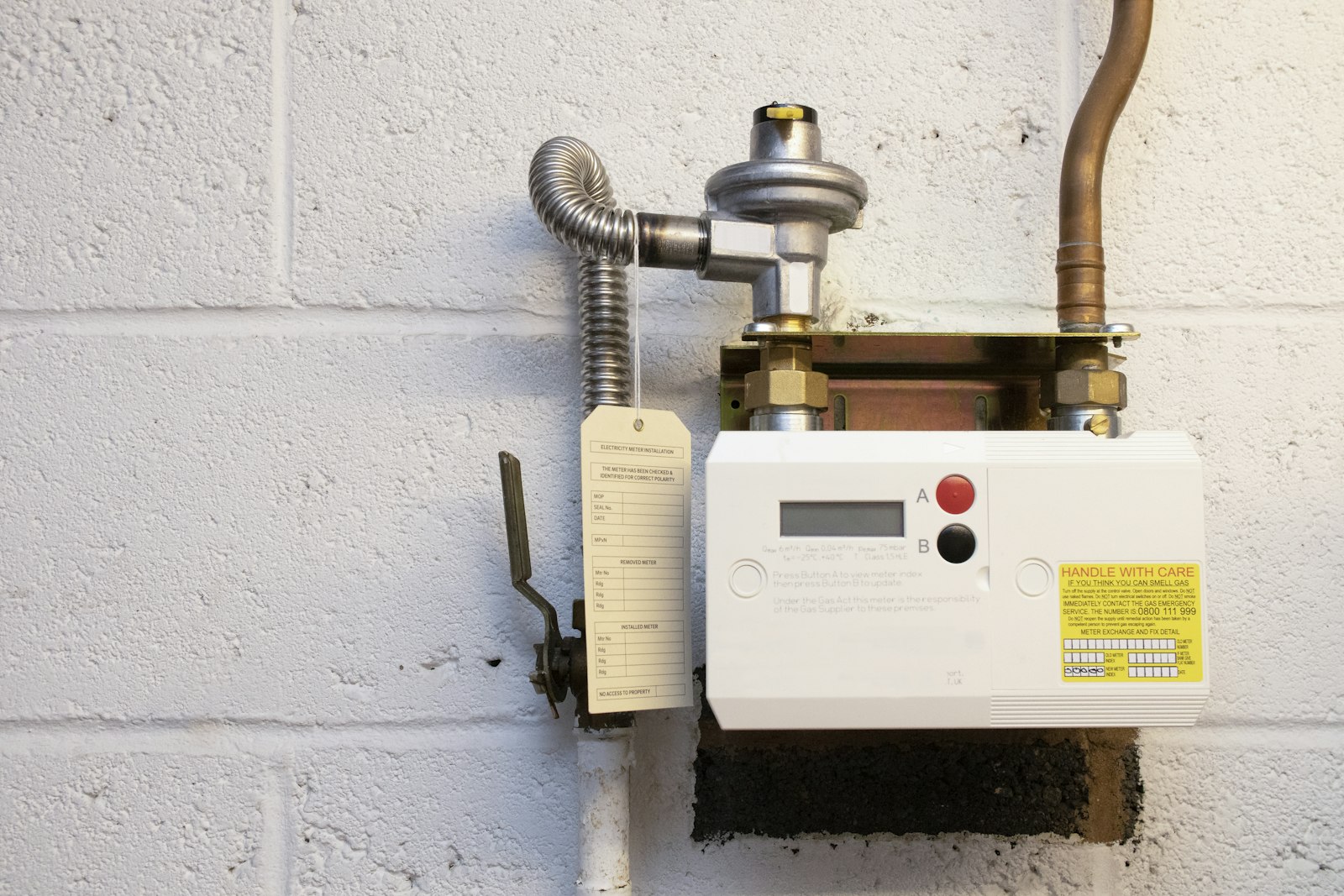
A gas boiler usually displays more useful information. Before touching anything, photograph the screen, pressure gauge and error code.
Look for ordinary controls labelled RESET, riarmo, estate, inverno or a tap symbol. Estate, meaning summer mode, commonly disables room heating while retaining domestic hot water. It does not normally mean the hot water has been switched off.
If the boiler’s own instructions call for a reset, one attempt using the labelled reset control is reasonable. Manufacturers warn against repeatedly clearing persistent ignition faults. A fault that immediately returns needs the host, property manager or qualified technician.
Do not guess with the filling valve
Some boilers stop when the pressure in the heating circuit is too low. You may see a pressure reading in bar or an error referring to pressione insufficiente.
There is often a small filling valve underneath the boiler, but its appearance and correct operating pressure vary by model. Do not open random valves until the host or the appliance manual identifies the correct one and tells you the target pressure. Overfilling the heating circuit creates another problem instead of solving the first one.
Send the host a message such as: “La caldaia mostra errore 108 e pressione bassa”, replacing 108 with the actual code you see. A photo is even better.
If you smell gas, do not reset anything
A gas smell changes the situation completely. Do not keep trying the ignition or reset button.
Italy’s Fire Brigade advises people dealing with a suspected domestic gas leak not to operate lights or electrical appliances or create sparks, to ventilate the room, leave the affected area and shut off the gas supply if this can be done safely. For a strong persistent smell, go outside and call the Fire Brigade on 115. The official guidance is available in the Vigili del Fuoco emergency guide.
A useful five-minute diagnosis before contacting the host
You can save a long exchange of “Is it switched on?” messages by collecting the right information first.
- Does any hot tap produce hot water, or is the problem only the shower?
- Was the water hot earlier?
- Did it become gradually colder during a shower, or suddenly stop?
- Is the heater electric or gas?
- Are its lights or display on?
- Is there an error code?
- If there is a gauge, what pressure does it show?
- Has an electrical breaker tripped?
- Is there any leak, unusual smell or burning smell?
If the bathroom sink becomes properly hot but the shower stays cold, the central heater is probably not your main suspect. The shower mixer, thermostatic cartridge or local plumbing may be the problem. Report that distinction to the host instead of continually resetting the boiler.
If accommodation problems force you to reshuffle a departure, museum booking or train connection, you can organize the rest of your trip while the property owner deals with the repair.
What to do after a late-night check-in
A cold shower at midnight is awkward because maintenance may not be immediately available. Start by determining whether you have an empty tank or a genuine failure.
If the electric tank is on, shows no fault and has simply been depleted or was switched on only when you arrived, leaving it to heat is usually the practical answer. Take a photo of the controls before changing anything so you can restore settings if necessary.
If the appliance has no power, repeatedly trips a breaker, leaks, shows a persistent fault or the gas boiler will not restart using its normal controls, message the host immediately rather than postponing the report until checkout. Include photographs of the appliance, display and electrical panel if relevant.
Ask one specific question: “Is there anything I should switch on or reset, and can you tell me exactly which control?” That is much safer than receiving a vague instruction to “reset the boiler” when the apartment contains several unfamiliar valves and switches.
How to avoid running out when several people share the apartment
Once you know the property uses a storage heater, treat the supply as finite.
- Do not schedule several long showers one after another.
- Give the tank time to recover between users.
- Avoid simultaneously using large amounts of hot water for dishes or baths.
- Keep shower flow moderate.
- Make sure nobody has accidentally switched the heater off after showering.
- If there is an ECO, BOOST or programmable mode, use it only according to the appliance instructions or host’s directions.
The most useful distinction is simple: hot water that gradually runs cold usually points to a depleted storage tank; water that never heats, disappears suddenly with an error code, or repeatedly trips a safety device points to a fault. Waiting fixes the first problem. Resetting the correct control may fix some examples of the second. Repeated resets, opening electrical covers and experimenting with gas-boiler valves are jobs to leave to the property owner or a qualified technician.