Putting a suitcase in the hold of a long-distance bus in Italy is usually straightforward, but there is no single national suitcase allowance. The operator’s rules control what can go underneath, and a driver may refuse an unbooked extra or oversized item when the hold is full. For luggage under an Italian coach, arrive with the bag already labeled, keep documents and valuables with you, and check the allowance printed for your specific journey before departure.
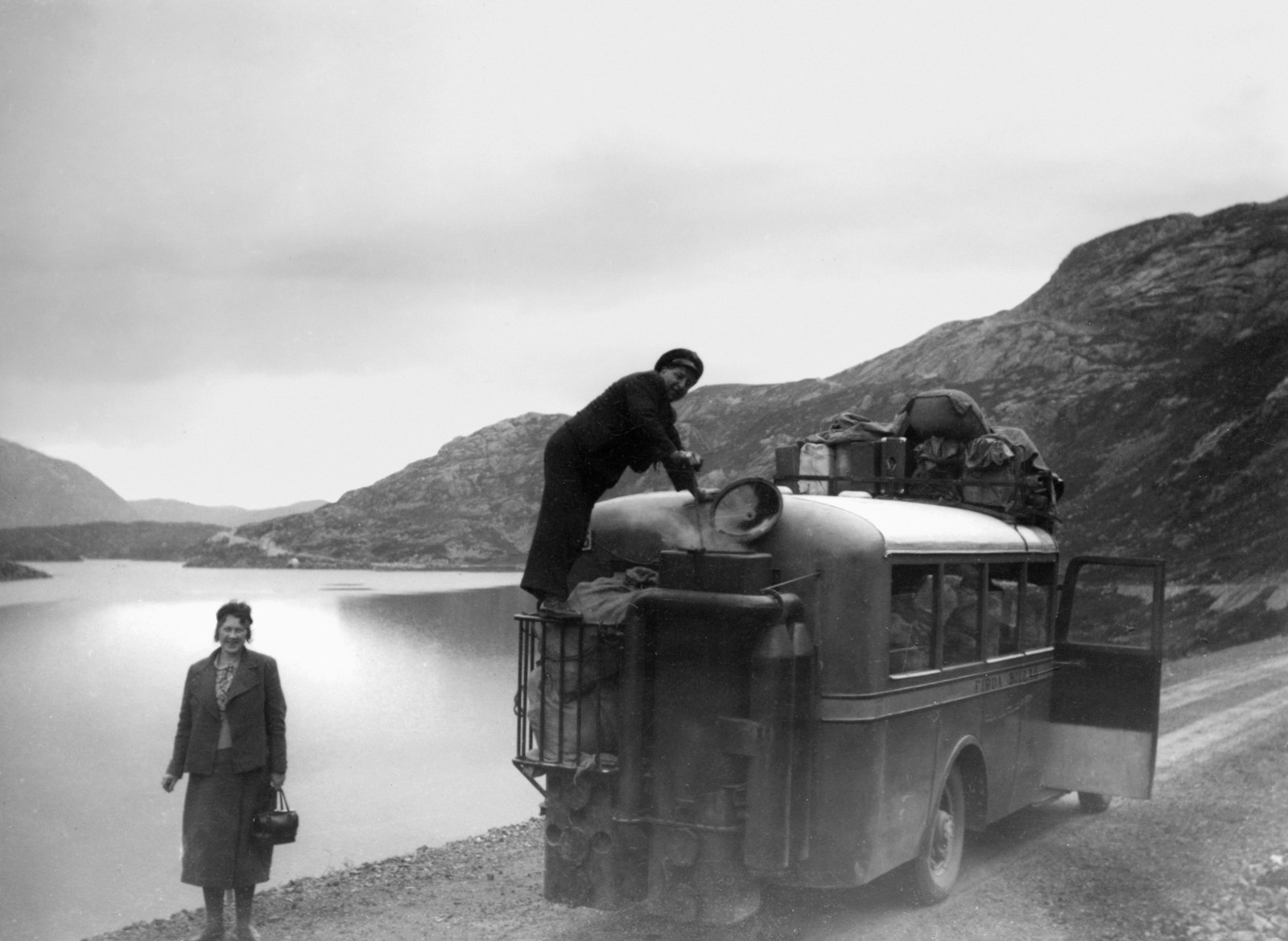
FlixBus, Itabus and MarinoBus currently use different limits, different tagging rules and different procedures for extra bags. A suitcase accepted on one company may be too heavy, too numerous or improperly labeled for another.
What actually happens when you put a suitcase under the bus
The compartment beneath the passenger cabin may be described as the vano bagagli, portabagagli, bauliera or, more generally, stiva. A suitcase carried there is bagaglio da stiva. Your smaller item inside the passenger cabin is bagaglio a mano.
When the coach arrives, do not automatically climb aboard with your suitcase. Have your ticket ready, identify the correct vehicle and follow the driver’s or ground staff’s instructions about loading. On FlixBus, for example, the published procedure is to place the checked bag in the luggage compartment before boarding.
- Keep your passport, wallet, phone, medication, keys and valuable electronics in your cabin bag.
- Have the hold bag labeled before the coach arrives.
- Show your ticket or booking when requested.
- Ask where the suitcase should be loaded rather than putting it into a random open compartment.
- Board only after you know your bag has gone into the correct vehicle.
- At your destination, collect it promptly and check the label before walking away.
If you are getting off before the coach’s final destination and staff direct your suitcase to a particular compartment, follow that instruction. A useful question is “Questo bagaglio va in stiva?”, meaning “Does this bag go in the luggage hold?”
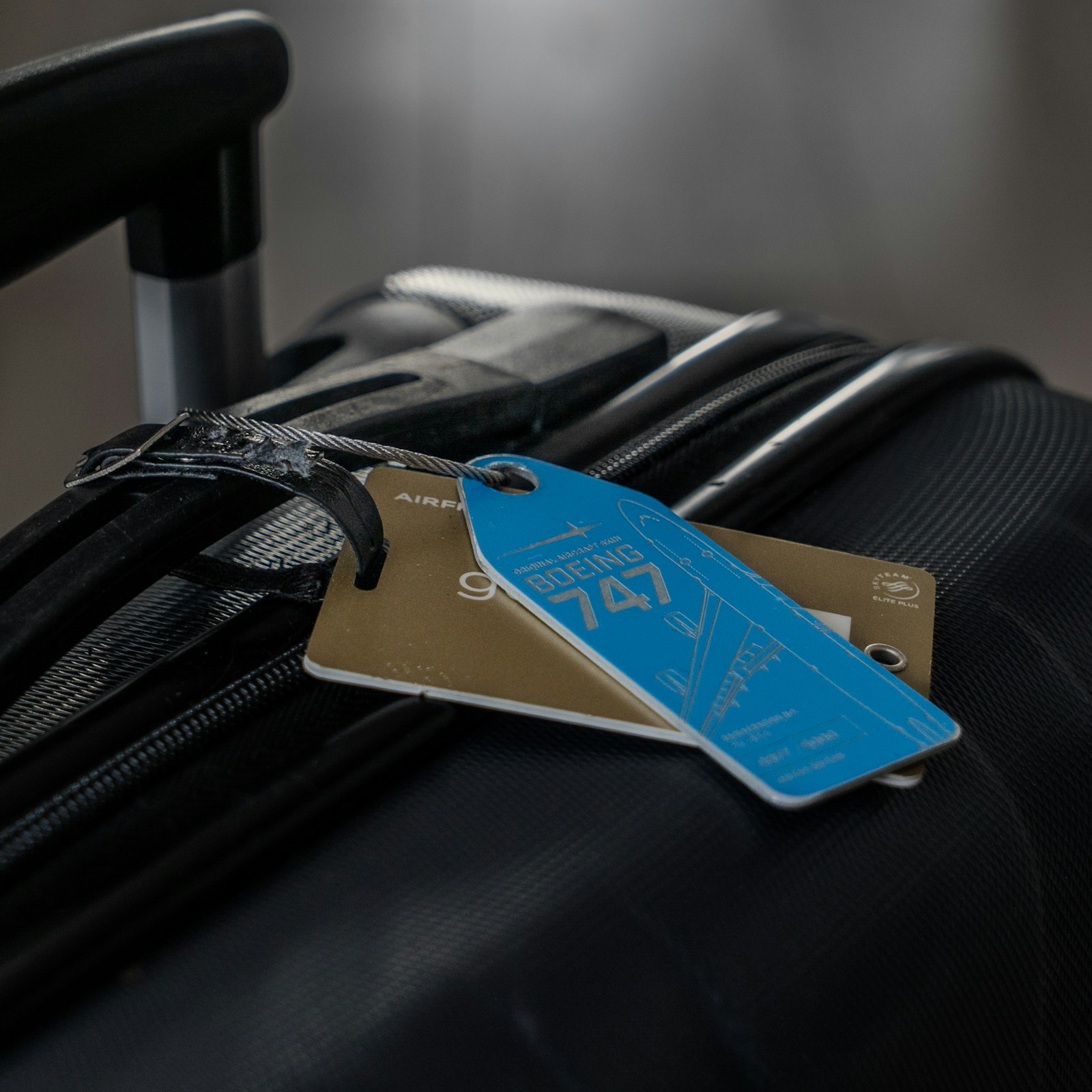
Do you need a luggage tag?
Do not rely on receiving an airline-style numbered baggage receipt. The major Italian intercity operators instead publish rules that place much of the identification responsibility on the passenger.
Itabus requires hold luggage to be labeled. Its current conditions specify passenger details including name, telephone number and address, and state that labeling is the passenger’s responsibility.
MarinoBus also requires identification. Its February 2026 conditions say bags placed in the coach’s hold must carry a clearly readable label showing the passenger’s name and booked destination. Its lost-baggage provisions also tell passengers to identify bags with contact details.
FlixBus strongly recommends labeling every bag with your name, address and telephone number and provides a printable luggage tag through its luggage information pages.
A practical tag should therefore show your name, a mobile number that works in Italy, including the country code, and your destination. Add any further information required by your operator. Putting the same details on a card inside the suitcase gives you a second way to identify it if the outer tag tears off.
Current size and weight limits are not the same across operators
These are the published allowances for three major operators as of August 2026. Always recheck the booking page for your individual service, especially on international journeys or trips operated by a partner company.
FlixBus
- Cabin item: 1 small soft bag or backpack, maximum 42 x 30 x 18 cm and 7 kg.
- Hold bag: 1 bag, maximum 80 x 50 x 30 cm and 20 kg.
- Additional bag: generally up to 80 x 50 x 30 cm and 20 kg when purchased and available.
- Special luggage: generally up to 240 cm when height, width and depth are added together, and up to 30 kg.
FlixBus warns that some routes have different baggage rules and that extra and special luggage space is limited. Its conditions also allow an additional bag to be bought from the driver only in certain circumstances when space remains, so arriving with an undeclared second suitcase is a gamble rather than a plan. Check the official FlixBus luggage policy for your journey.
Itabus
- Cabin item: 1 bag, maximum 42 x 30 x 18 cm.
- Hold bag: 1 bag, maximum 80 x 50 x 30 cm.
- Hold-bag weight: maximum 20 kg.
- Additional hold bag: maximum 80 x 50 x 30 cm and 20 kg, when the service is available.
- Special luggage: maximum combined dimensions of 240 cm and maximum weight of 30 kg.
There is a useful technical detail in the current Itabus conditions: the standard allowance of one cabin bag plus one hold bag is subject to an overall passenger luggage weight limit of 20 kg, even though the hold bag itself may weigh up to 20 kg. Itabus explicitly states that it may refuse to load baggage that does not comply with the standard allowance unless the appropriate additional or special luggage service has been purchased. See the Itabus baggage information before packing to the limit.
MarinoBus
- Cabin item: 1 bag, maximum 40 x 30 x 15 cm and 5 kg.
- Hold luggage: 2 bags included.
- Each hold bag: maximum combined dimensions of 140 cm when length, depth and width are added together.
- Each hold bag: maximum 12 kg.
Additional pieces are accepted only when there is space in the hold and are subject to a supplement. MarinoBus also requires the hold bags to carry identification and the booked destination. The company’s current baggage FAQ confirms the two-bag, 12 kg-per-bag allowance.
Measure the suitcase the way your operator does
Watch for two different systems in the rules. A limit written as 80 x 50 x 30 cm restricts individual dimensions. A rule such as 140 cm total means you add the three measurements together.
For example, a suitcase measuring 65 x 45 x 25 cm totals 135 cm. That fits a 140 cm combined-dimension rule, assuming it also complies with the weight limit. Wheels, handles and rigid protrusions should be treated as part of the bag’s exterior size rather than ignored.
Do not assume that a suitcase described by a retailer as “large checked luggage” is automatically legal on a coach. Airline marketing categories have no authority over a bus operator’s baggage conditions.
When can the driver refuse your bag?
A valid passenger ticket does not automatically guarantee that every suitcase you arrive with will be carried. The bag can be refused even though you personally have a seat.
Your suitcase exceeds the included allowance
An oversized, overweight or additional bag may require a paid bagaglio aggiuntivo or bagaglio speciale. Itabus expressly reserves the right not to load baggage that fails its standard requirements. FlixBus similarly treats additional baggage as capacity-dependent, while MarinoBus accepts extra pieces only when space is available.
The luggage hold is already full
This matters most when you appear at departure with an extra suitcase that was never added to the reservation. Paying the driver is not a guaranteed workaround. The Italian phrase you may hear is “non c’è spazio”, meaning there is no space.
Where the operator allows extras to be added online, do it before reaching the stop. FlixBus and Itabus both warn that capacity for additional or special luggage is limited.
The item is badly packed
A loose collection of shopping bags, an exposed piece of equipment or an object likely to damage neighboring luggage is much more troublesome than a closed suitcase or properly packed bag. Itabus requires hold luggage to be suitably packed in luggage, protective covers, bags or another appropriate container.
The contents are prohibited
Dangerous, explosive and flammable materials can be prohibited from coach transport, and individual companies impose additional restrictions. MarinoBus, for example, lists dangerous or harmful substances, flammable materials, liquids in general and perishable material among items that must not be put in baggage under its conditions, and says carriage may be refused when a violation is found before departure.
Do not copy an airline packing list and assume it applies to the coach. Check the bus company’s own conditions for unusual items.
Your unusual item was never registered
Bicycles, sporting equipment, musical instruments, strollers and mobility equipment often have separate rules. An object that physically fits beneath the bus is not automatically ordinary luggage.
What to do if your suitcase is refused at departure
First determine the reason. Ask “Qual è il problema con il bagaglio?” and, if it is simply an extra piece, “Posso aggiungere un bagaglio?” The second question means “Can I add another bag?”
- If it is an unbooked extra: check the operator’s app or Manage Booking page immediately. The driver may also be able to sell the service with some operators, but only when the rules and remaining capacity allow it.
- If it is overweight: repacking can help, but only if the items moved into your cabin bag still leave that bag within its own permitted dimensions and weight.
- If it is oversized: ask whether it can be registered as special luggage. Do not assume paying an ordinary excess-bag fee solves an oversize problem.
- If the hold is full: there may be nothing the driver can do. Your realistic options are storing the item, arranging another transport method or changing your journey.
- If the contents are prohibited: remove the prohibited item only if you have a lawful and safe place to leave or dispose of it. Never abandon a bag beside a bus station.
If your coach journey is one part of a longer trip, keep the exact bus stop and onward connection recorded alongside your accommodation details. The Italy on Foot trip planner can be useful for keeping those separate transport legs together, particularly when an intercity coach arrives somewhere other than the main railway station.
Do bags transfer automatically when you change coaches?
Do not treat a coach connection like an airline through-ticket. On a self-transfer between separate services, assume you need to collect the suitcase from the first bus and load it onto the next one yourself. If your operator has arranged an official interscambio, or coach change, follow the crew’s instructions about the luggage rather than guessing.
This is one reason a very tight coach connection is risky. You need enough time not only to leave the first vehicle, but also to retrieve the suitcase, identify the new departure bay and complete the next loading process.
Keep these things with you inside the passenger cabin
The luggage compartment is not where your passport should spend the journey. FlixBus specifically tells passengers to keep valuable items such as identification and electronics in their small cabin bag, while MarinoBus prohibits high-value and delicate objects in stowed baggage under its conditions.
Keep these accessible:
- passport or identity card
- wallet and bank cards
- phone and charging cable
- essential medication
- keys
- small valuable electronics
- your coach ticket or booking details
- anything you will need before the next luggage stop
The overhead rack on a coach is also much smaller than an aircraft overhead bin. If your “carry-on” is really another full-size suitcase, the driver may require it to go underneath rather than letting it obstruct the aisle or passenger space.
Strollers, wheelchairs and mobility equipment need separate attention
A foldable stroller is commonly carried free by major operators, but the registration procedure differs. FlixBus treats strollers as special luggage and asks passengers to register them, while Itabus and MarinoBus state that permitted strollers must be foldable.
Wheelchairs and other mobility aids should not simply be added to the booking as another suitcase. Operators have separate accessibility procedures and may need advance information about dimensions, weight or whether the passenger will remain in the wheelchair on board. Contact the operator early if mobility equipment is involved.
What to do when your suitcase is missing at arrival
Act before leaving the stop. Check that another passenger has not taken a similar-looking suitcase, tell the driver or ground staff immediately and record the service details while they are still easy to find. A photo of the suitcase taken before loading can make identification much easier.
FlixBus asks passengers to submit its lost-property report and include the booking number, connection number and a clear description of the missing bag.
MarinoBus goes further in its conditions: a passenger whose hold luggage has been lost, stolen or exchanged should have the problem recorded by onboard staff when arriving at the stop. MarinoBus also provides a dedicated lost-property form through its online forms page.
Do not wait until the next morning simply because your hotel is calling. Before leaving the terminal or roadside stop, note the coach company, route, scheduled departure, arrival time, booking reference and any vehicle or connection number visible on the ticket. Those details are far more useful to a lost-property team than “a black suitcase on the bus from Rome.”