Do not treat the market as one large food court with universally shared tables. Mercato delle Erbe seating is divided among different businesses and dining zones: some tables may serve more than one nearby counter, while others belong to a particular restaurant, wine bar, or food operator. Ordering is decentralized too. There is no market-wide till or single bill. If your group wants food from different places, work out where you can sit first, then order separately from each business.
The distinction matters because Mercato delle Erbe is still a working covered market, not a purpose-built food hall. The central part contains traditional fruit, vegetable, meat, cheese, bread, fish, and other food shops, while much of the prepared-food dining occupies the side areas. The main entrance is on Via Ugo Bassi 23-25, with additional access from Via San Gervasio and Via Belvedere.
The tables are not all communal
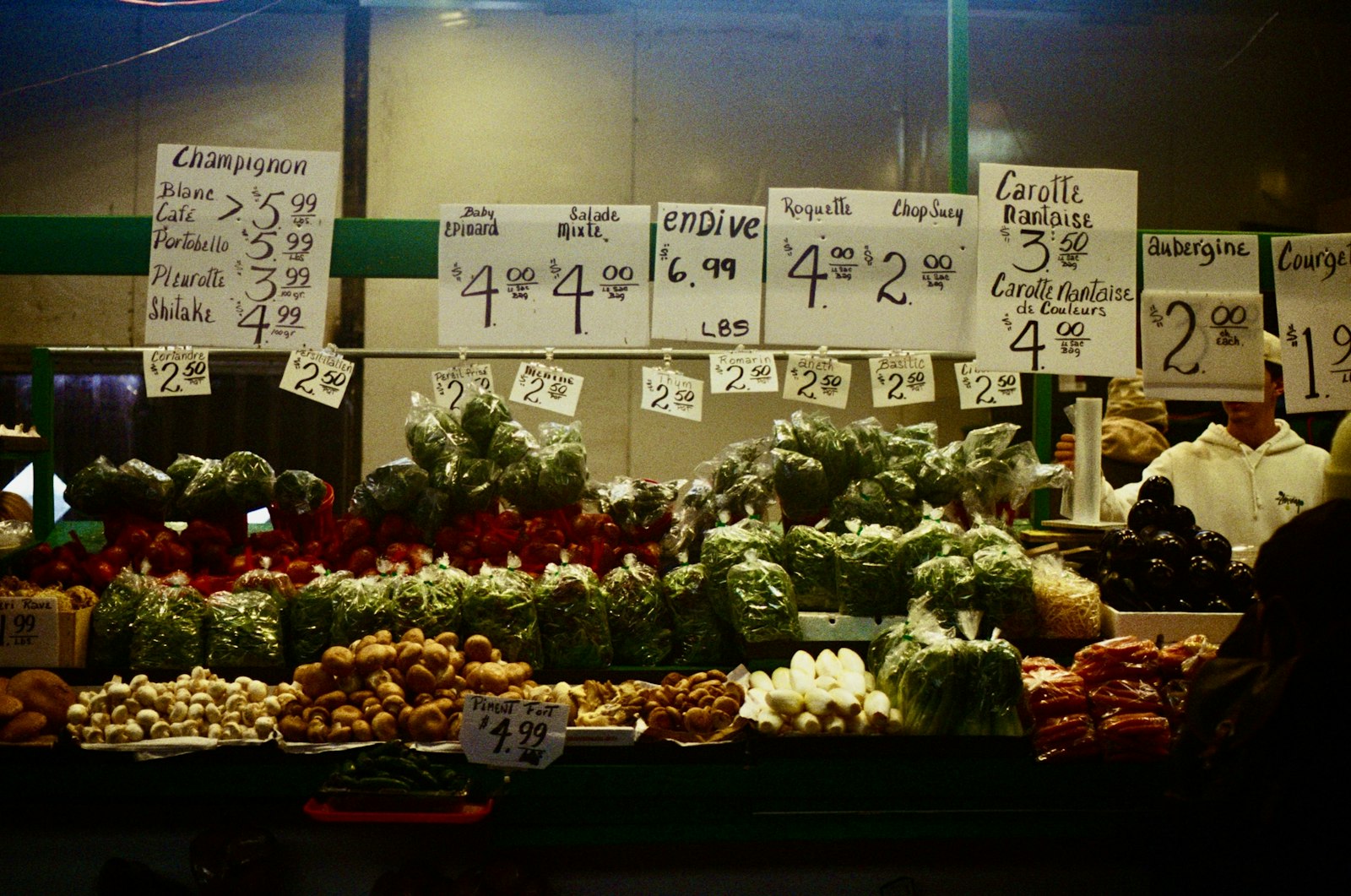
An empty chair does not automatically mean you can buy a piadina at one counter, fish at another, and sit wherever you like. Different operators control different parts of the dining space.
The easiest way to read the room is to look at the table itself. Tables already laid with cutlery, glasses, menus, reserved signs, or table numbers are strong clues that they belong to a particular restaurant. Counter stools usually belong to the counter directly beside them. Plainer tables in an open food area may be more flexible, but do not assume they are market-wide communal seating simply because several businesses are visible from them.
This mixed arrangement has long been one of the confusing parts of the market: some neighboring businesses have shared seating arrangements, while restaurants and other operators maintain their own areas. The operators have also changed over time, so advice in an older Bologna blog post may describe a seating layout that no longer exists.
The five-second solution is to ask before settling in:
- Questo tavolo è libero? Is this table free?
- Questo tavolo è del locale? Does this table belong to this restaurant?
- Possiamo mangiare qui cose prese da banchi diversi? Can we eat here food bought from different stalls?
How to order from different stalls
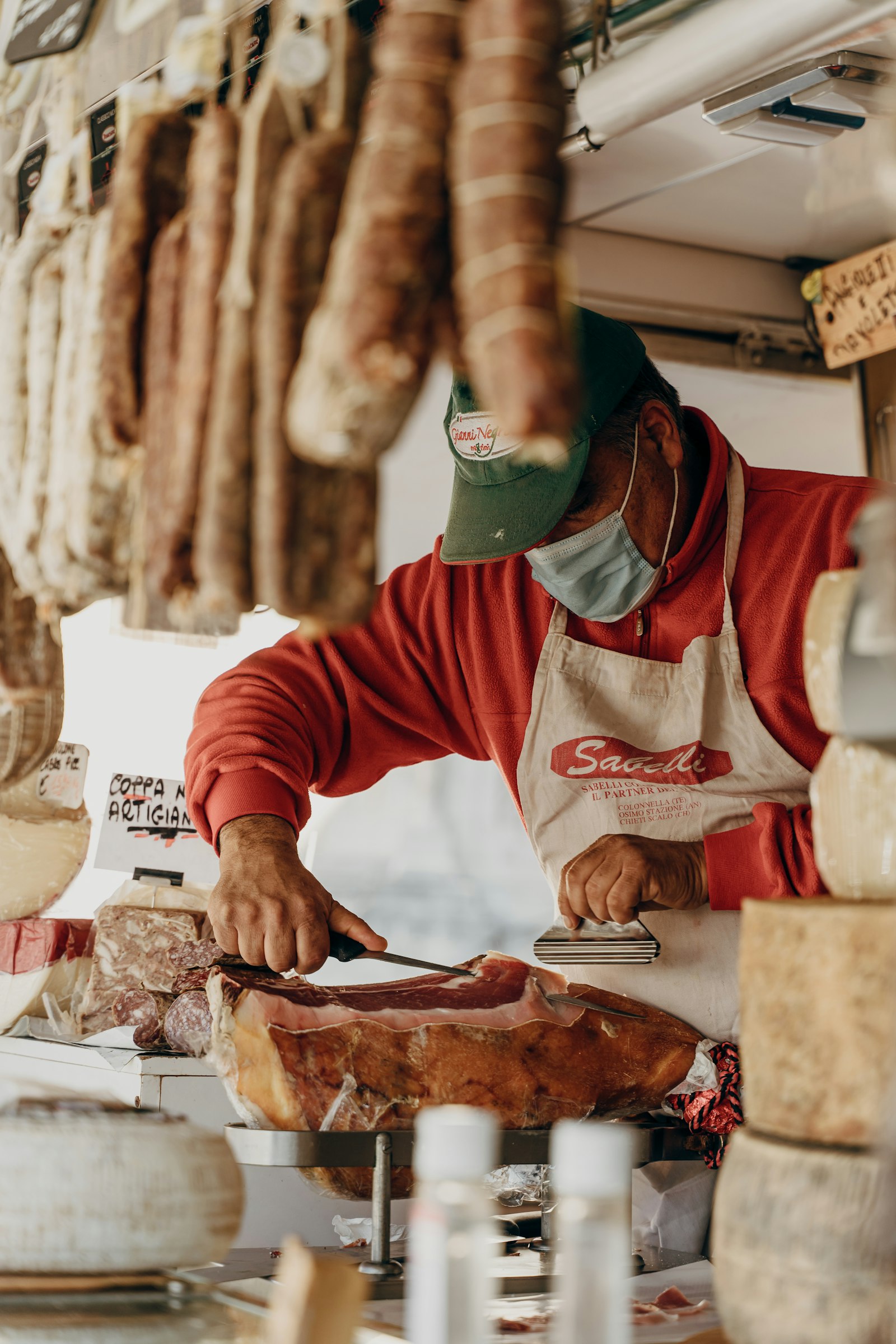
- Choose the food before claiming a random table. Walk through the dining areas and decide who wants what. This also shows you which businesses have their own tables.
- Ask where mixed orders can be eaten. Do this before several people buy hot food. Staff can tell you immediately whether a nearby table is shared or reserved for their customers.
- Order from each business separately. The restaurants, wine bars, and takeaway counters are independent businesses. Expect separate transactions unless staff explicitly tell you otherwise.
- Check whether ordering happens at the counter or table. There is no single system for the whole building. Ask “Si ordina qui o al tavolo?”, meaning “Do we order here or at the table?”
- Take food to the agreed table only. A takeaway item does not give you permission to occupy another restaurant’s table.
- Keep receipts or order numbers until everything arrives. If different people in the group have ordered from different places, it becomes much easier to sort out a missing dish.
For a group with very different tastes, one person should sort out the seating while the others choose food. The reverse approach, buying four meals and then discovering that every visible table belongs to a restaurant, is much harder to fix.
Current operators illustrate why the system varies
Banco 32
Banco 32, on the Via San Gervasio side opposite the fishmonger, describes itself as a small restaurant. It offers a faster restaurant format at lunch and fish tapas in the evening, with seating both at its counter and at tables.
Treat those tables as Banco 32’s dining area rather than generic market furniture unless its staff tell you otherwise. If one person wants its fish while somebody else has bought food elsewhere, ask before bringing the outside order to the table.
Sfarinà
Sfarinà, at Via Belvedere 6 inside the market, currently describes its Erbe location as takeaway. You order its piadine, crescioni, rolls, and other items from the business itself.
That makes it a good example of why buying food and finding a seat are two separate questions here. A takeaway counter can sell you something perfectly suitable for eating immediately without owning every chair you can see nearby.
Borgo delle Erbe
The large covered wing that older guides may associate with the former Altro? operation is now occupied by Borgo delle Erbe. It runs as a restaurant and bar operation, publishes its own menus, and accepts table reservations.
Those tables should therefore be treated as restaurant seating, not as a convenient communal base for a tour of unrelated counters. If your priority is having a guaranteed seat rather than sampling several businesses, booking here or choosing another sit-down operator is the simpler strategy.
Wine bars and other restaurants
Businesses such as Vini e Sapuri are also independent venues within the market, in this case an enoteca with a kitchen. Ordering a glass of wine from one business does not create a market-wide tab, and sitting at that business’s tables can come with the reasonable expectation that your drinks and food are being ordered from it.
If one person wants food from another counter
Ask the table operator rather than trying to work out an unwritten rule. A useful sentence is:
“Una persona prende da mangiare qui, ma l’altra ha preso una piadina. Va bene se mangiamo insieme a questo tavolo?”
That means: “One person is eating from here, but the other bought a piadina. Is it okay if we eat together at this table?”
Staff may say yes, direct you to another section, or ask that the table’s drinks be ordered from them. All three are more useful outcomes than discovering the rule after everyone has sat down.
Do not rely on the market’s general hours for a particular stall
The market’s own website currently lists traditional shops and boxes from Monday to Saturday, 7:00 to 19:30. It gives general restaurant periods of 12:00 to 15:30 for lunch and 18:00 to midnight in the evening, with Sunday restaurant periods of 12:00 to 15:30 and 18:00 to 23:00.
Those are market-level hours, not a promise that every kitchen follows them. Individual operators publish substantially different schedules. Banco 32, for example, lists Monday to Saturday service, while Sfarinà currently lists Sunday hours as well. A dining business can be closed even though the building and another counter are open.
The awkward time is mid-afternoon. Traditional market shops may still be trading while sit-down kitchens have finished lunch and have not begun dinner. If you tend to eat between normal services, the practical options in our guide to finding food in Italy at 4 PM are useful here too: check takeaway counters rather than assuming a restaurant menu is available all afternoon.
What to do when every table looks occupied
If sitting is essential, do not order first and solve the chair problem later. Ask the business where you intend to eat whether it has a table, a waiting list, counter seating, or another permitted area.
If you have already bought takeaway food, return to that counter and ask:
“Dove possiamo sederci per mangiare?” Where can we sit to eat?
That is particularly useful when the market is busy because staff know which nearby tables belong to which operation. They can usually give a clearer answer than trying to decode chairs, menus, and trays yourself.
For a larger group, another sensible rule is to prioritize one seated venue if eating together matters more than everyone choosing a different counter. The market is excellent for browsing, but a six-person group trying to combine several independent businesses needs more coordination than two people carrying takeaway food.
If this stop needs to fit around train times, museum bookings, or the rest of a Bologna day, you can organize the rest of your trip before committing to a lunch or dinner time.
Luggage, strollers, and limited mobility
The central market remains a shopping space, so suitcases, pushchairs, and shopping trolleys should not block the aisles between stalls or the routes used by staff. With a large suitcase, choose a table where the bag can remain beside or underneath your own seating area rather than occupying another chair or narrowing a passage.
Families with a stroller should use the same approach: check the table before ordering and choose the edge of a seating area when possible. Restaurant-style seating may be easier than trying to fit a stroller around counter stools.
Travelers needing step-free access should check the current route shortly before visiting. Bologna is carrying out a broader accessibility improvement programme around the Mercato delle Erbe area in 2026, covering entrances, routes, signage, and individual businesses, so older descriptions of which entrance is easiest may not reflect completed works.
The safest rule for mixed orders
Think of the building as several independent food businesses sharing one historic market rather than one restaurant with many counters. Find out whose table it is, ask whether food from another stall is permitted, and expect to order and pay separately at each business.
If nobody can clearly tell you a table is communal, assume it belongs to the venue beside it. That small check prevents the most common awkward moment here: sitting down with food from elsewhere just as a server arrives to explain that the table belongs to their restaurant.