Truffle-hunting trips from Florence usually take you into the Tuscan countryside to follow a licensed truffle hunter and trained dog through woodland where truffles grow naturally. The outdoor search commonly lasts one to two hours, while a complete excursion with transportation and lunch can occupy much of the day. Before booking, check which truffle species is in season, how demanding the woodland walk will be, and whether transportation, food, and the actual hunt are included in the quoted price.
Most truffle hunting Florence excursions take place outside the city, particularly around San Miniato and other truffle-producing areas of Tuscany. Some include a meal featuring fresh truffles, while others provide only the guided search and require you to arrange your own transport. The distinction matters because a relatively inexpensive countryside experience can become considerably more complicated if you need a separate driver or taxi.
What Actually Happens on a Truffle-Hunting Trip?
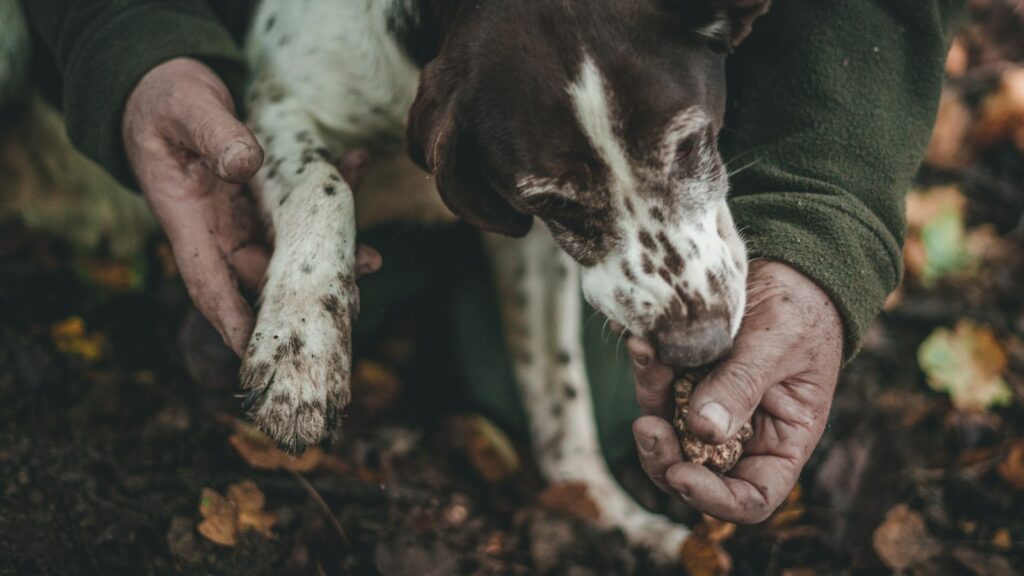
A traditional truffle hunt involves walking through suitable woodland with a tartufaio, the Italian term for a truffle hunter, and a specially trained dog. The dog searches for the scent of truffles growing underground, while the hunter watches its behavior and identifies where to investigate.
When the dog locates a promising spot, the hunter carefully removes the soil using a small digging tool called a vanghetto. The search requires experience because truffles grow in association with tree roots, and disturbing the ground unnecessarily can damage the environment.
A typical visitor experience follows this sequence:
- Meet the organizer or hunter. Depending on the package, you meet in central Florence, at a countryside property, or at a designated location near the hunting area.
- Travel to the woodland. The guide introduces the local environment, explains which truffle species may be found, and gives instructions for following the dog safely.
- Follow the hunt. You walk with the hunter and watch the dog search among trees, undergrowth, and suitable patches of soil.
- Observe any discoveries. If the dog finds a truffle, the hunter explains how it is extracted and identified.
- Return from the woods. Depending on your booking, the experience finishes after the walk or continues with a tasting, lunch, cooking class, or winery visit.
The dog largely determines where the group goes. Unlike a conventional sightseeing walk, the route may change as the animal investigates different areas.
Finding a truffle is never guaranteed. Weather, soil moisture, seasonal conditions, and natural availability all affect the search. Even an experienced hunter with a well-trained dog may return without finding a suitable specimen.
If seeing a freshly discovered truffle is your main reason for booking, ask what happens when the hunt is unsuccessful. Some experiences include a separate tasting or cooking activity, but that does not necessarily mean the truffle served at lunch was found during your outing.
Where Do Truffle-Hunting Trips From Florence Take Place?
Florence is a convenient starting point, but the hunting itself generally happens in rural areas beyond the city.
San Miniato and the surrounding hills
San Miniato, between Florence and Pisa, is particularly associated with the prized white truffle, Tuber magnatum. The surrounding hills contain wooded habitats where local truffle hunters have practiced their craft for generations.
According to Visit Tuscany’s information about San Miniato truffles, the area is an established center of truffle production and has a local association dedicated to protecting its truffle heritage.
Many organized excursions use woodland around San Miniato or nearby rural properties, rather than beginning the search in the historic town itself.
Do not assume that a San Miniato truffle tour includes sightseeing in the town. Some itineraries travel directly from Florence to the hunting location, continue to a farmhouse for lunch, and return without visiting the historic center.
Val d’Elsa and other Tuscan countryside areas
Other experiences take place in the hills around Val d’Elsa, including countryside between Florence and Siena. Some are shorter, locally organized activities where visitors arrange their own arrival at a rural meeting point.
There are also truffle-producing areas in Mugello, the Valdichiana, and elsewhere in Tuscany. These may be suitable for travelers already exploring those regions.
The location alone does not determine the quality of the experience. What matters more is the hunter’s knowledge, the suitability of the terrain, the type of search offered, and how much time you actually spend observing the dog at work.
When Is Truffle-Hunting Season in Tuscany?
Different truffle species grow at different times of year, and Tuscany regulates when they may legally be searched for and collected. This is particularly important because some tourism descriptions still refer to older seasonal calendars or advertise year-round experiences without explaining the difference between a woodland search and a demonstration.
Under Tuscany’s regional law 36/2023, as reflected in the rules available in October 2026, the principal collection periods include:
- White truffle (Tuber magnatum): October 1 to January 15.
- Precious black winter truffle (Tuber melanosporum): November 15 to March 15.
- Marzuolo or bianchetto (Tuber borchii): January 15 to April 15.
- Summer black truffle (Tuber aestivum, summer form): June 1 to August 31 and October 1 to November 30.
- Uncinato truffle (Tuber aestivum, uncinatum form): October 1 to January 15.
Other permitted species have their own collection windows. The regional calendar also imposes time-of-day restrictions, and additional temporary or location-specific restrictions may apply.
May and September are closed to truffle searching and collection across Tuscany under the current regional calendar. These months are designated ecological rest periods, known as fermo ecologico.
You can verify the current rules through the Region of Tuscany’s official truffle collection information.
If a company advertises a hunt during May or September, ask exactly what activity is being offered. A demonstration, educational walk, or prepared tasting is different from a legal search for and collection of wild truffles.
October to December: white truffle season
Autumn is the period most strongly associated with white truffles around San Miniato. Visitors interested specifically in this highly aromatic variety should concentrate on dates within the legal collection season.
San Miniato also hosts its annual white truffle exhibition, traditionally held on November weekends. The event includes food-related activities and celebrates the local truffle industry.
The official tourism calendar confirms dates for November 2026, but visitors planning for 2027 should check the event information again when the new schedule is published.
A festival visit and a real woodland hunt are separate activities unless your package explicitly includes both.
January to April: winter and early spring varieties
Winter and early spring offer opportunities to learn about different truffles, including black winter truffles and the marzuolo variety.
These experiences can involve colder and wetter conditions, particularly after prolonged rain. Woodland paths may be muddy, and the shorter daylight period affects scheduling.
Ask which species the hunter expects to search for during your exact dates. A generic description promising white truffles may refer to a different variety from the famous autumn Tuber magnatum.
June to August: summer truffles
The summer collection period offers another option for visitors traveling during warmer months. The summer black truffle, commonly called scorzone, has a different character from the prized autumn white truffle.
Summer walks may need to take place earlier in the day to avoid excessive heat. Ask about shade, water availability, and how long you will be exposed to the sun.
For 2027 bookings, confirm that the operator is following the regional calendar in effect at that time. A published tour calendar is not proof that wild truffle collection is permitted on every advertised date.
How Difficult Is the Woodland Walk?
This is one of the most important questions to ask before paying, especially if your group includes children, older travelers, or anyone with mobility limitations.
Truffle hunting usually involves walking through woodland rather than following a paved tourist trail. The ground may be uneven, soft, slippery, or covered with leaves and branches.
Some experiences use relatively accessible woodland and last around one hour. Others involve longer walks on slopes, narrow paths, and less predictable terrain.
Even if the route is described as easy, the hunt may require standing while the dog investigates, stepping over roots, or moving off the main path.
Ask the organizer:
- How long will we actually walk in the woods?
- What is the approximate distance?
- Are there steep or slippery sections?
- Can the route be shortened if someone becomes tired?
- Are there benches or places to rest?
- How far is the woodland from the nearest toilet?
- Can someone skip the walk and still join the tasting or lunch?
For reduced mobility, request details about the terrain rather than relying on general labels such as “easy” or “suitable for everyone.”
A shorter private hunt may accommodate a slower pace, but no operator can guarantee a smooth route through natural woodland unless the activity takes place on a specifically prepared accessible trail.
What Should You Wear and Bring?
Footwear matters more than dressing for the occasion. Forest floors can remain damp even after several days without rain.
For most woodland outings, bring:
- Closed shoes with good grip: Hiking shoes or sturdy walking boots are preferable to smooth-soled fashion trainers.
- Long trousers: Useful against scratches, vegetation, insects, and muddy ground.
- A weather-appropriate jacket: A light waterproof layer is helpful in spring and autumn.
- Drinking water: Confirm whether the organizer supplies it, particularly during summer.
- A small day bag: Keep your hands free while walking on uneven surfaces.
- Insect protection: Ticks and other insects may be present in wooded and grassy areas, especially in warmer months.
Some operators provide rubber boots or waterproof equipment in wet conditions. Others expect participants to arrive with suitable footwear.
Check the equipment policy in advance, especially if you are traveling with limited luggage and do not want to bring hiking boots solely for this activity.
There is usually no reason to bring digging tools or equipment of your own. Truffle extraction is regulated, and the licensed hunter should control any digging.
Do You Need a Truffle-Hunting Licence as a Tourist?
Visitors who simply accompany a licensed hunter and observe the activity do not normally need their own collection permit.
However, actively searching for and collecting truffles is a regulated activity in Tuscany. Hunters require the appropriate tesserino di abilitazione, or authorization card, and must comply with the regional rules.
Those rules cover collection methods, trained dogs, permitted locations, and harvesting periods.
A visitor should not assume that paying for a tour gives permission to dig independently or keep any truffles discovered.
If an experience advertises hands-on collection, ask who will perform the extraction and how the activity complies with the regulations. The hunter should handle the digging unless the participant is independently authorized to collect.
Likewise, the truffles discovered during a hunt generally remain with the hunter or landholder according to the arrangement. Taking a truffle home is not automatically included in the admission price.
What Is Included in a Truffle-Hunting Experience?
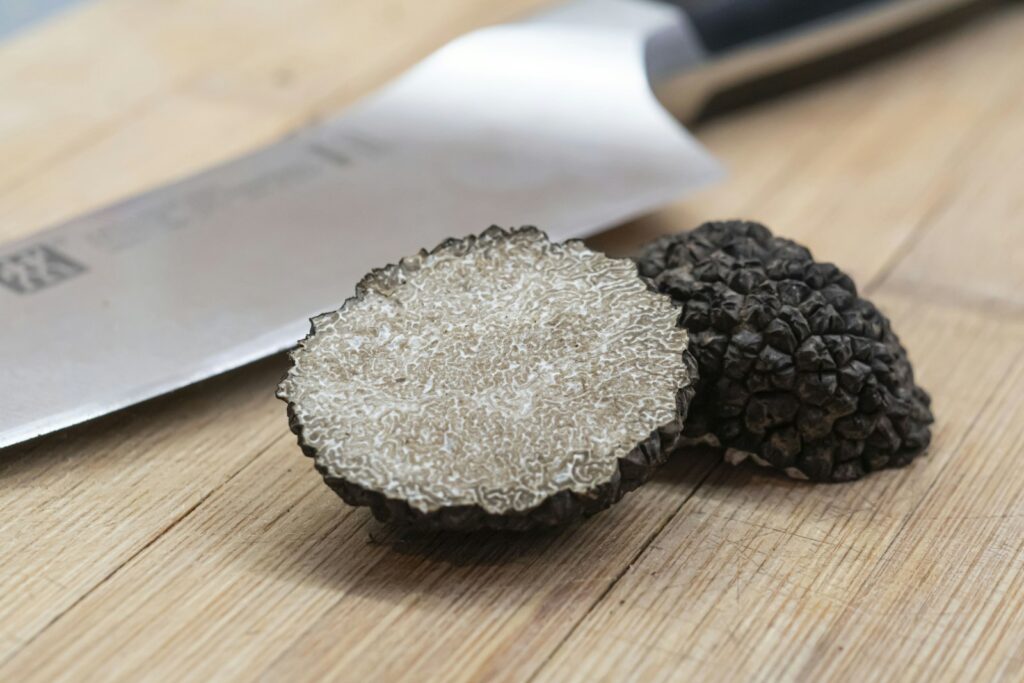
The phrase “truffle-hunting tour” covers several different products. Comparing their inclusions is essential because the amount of time in the woods may be similar even when the overall experiences differ substantially.
Hunt-only experiences
These usually involve meeting the hunter directly near the woodland, receiving an introduction, following the trained dog, and learning about the search.
They are suitable for travelers who have access to a car or have arranged independent transport.
Food, lunch, and transfers from Florence may not be included. Some packages offer a small tasting afterward, while others finish immediately after the search.
Hunt with truffle tasting or lunch
These packages combine the woodland activity with a meal or tasting. The food may be served at a farmhouse, restaurant, tasting venue, or estate.
A truffle-themed meal might include fresh pasta, eggs, cheese, toasted bread, or other dishes prepared with truffles.
Check whether the truffles are freshly shaved over the food and which species are being served. Some menus use preserved truffles, truffle sauces, or flavored oils instead of fresh seasonal specimens.
There is nothing inherently wrong with a preserved product, but it should not be presented as fresh truffle without clarification.
Full-day trips from Florence
Longer packages may include:
- Round-trip transport from Florence.
- An accompanying driver or guide.
- A local licensed truffle hunter and trained dog.
- A woodland search and explanation of truffle collection.
- A truffle-based lunch.
- Wine tasting or a winery visit.
- Additional stops in a Tuscan town or countryside property.
Not all these features are included in every full-day excursion. Some tours combine the hunt and lunch into a journey of around five to seven hours, while others have additional activities that extend the day.
Ask specifically how much time is dedicated to the actual search. If the experience lasts seven hours but the woodland portion is only 45 minutes, the trip is primarily a countryside food excursion.
Florence Pickup: What Does It Really Mean?
For visitors without a car, transport arrangements can be the deciding factor between two otherwise similar tours.
Some packages offer a central Florence meeting point and include a minivan transfer. Others allow hotel pickup when practical. Local experiences may require you to travel directly to the countryside.
Florence has a restricted traffic zone, called the Zona a Traffico Limitato or ZTL, covering much of its historic center. This affects where tour vehicles can legally enter and collect passengers.
The official Florence ZTL information explains the vehicle restrictions.
Even when hotel collection is advertised, the operator may ask you to walk to an accessible nearby street rather than collecting you outside your accommodation.
Before booking, confirm:
- The exact meeting address in Florence.
- Whether collection is included in the price.
- Whether the vehicle returns to the same location.
- Whether the driver accompanies you during the activity.
- How much time is spent driving compared with hunting.
- Whether luggage can be stored in the vehicle.
If your tour starts directly in San Miniato, ask for the precise rural address. The historic town, railway station, and woodland meeting locations are not interchangeable.
Can You Reach a Truffle Hunt by Train From Florence?
San Miniato-Fucecchio is served by regional trains on the Florence-Pisa railway corridor, making rail travel a possible starting point for an independently arranged visit.
However, the station is not in the historic hilltop center of San Miniato, and the hunting area may be farther away in the countryside.
You should therefore arrange the final transfer before traveling. Depending on the operator, this could mean a pre-booked pickup at the station, a local taxi, or transportation provided from another agreed location.
Do not assume that a taxi will be waiting at a small regional station or that you can walk safely to a remote farmhouse.
Use Trenitalia to check train services for your date, and consult the Italy on Foot Firenze Santa Maria Novella station guide if you are arranging your own departure from Florence.
For two or more travelers, compare the combined train and transfer cost against a package that includes transport from Florence. Independent travel is not necessarily the cheaper option when the last part of the journey requires a dedicated driver.
Are Truffle-Hunting Trips Suitable for Children?
Watching a trained dog search for truffles can interest children, especially those who enjoy animals and outdoor activities. However, the experience still requires walking and following the hunter’s instructions.
Some operators accept young children, while others set minimum ages based on terrain, group format, or transportation arrangements.
Before booking for a family, ask about the minimum age, walking difficulty, child seats, and whether the schedule includes appropriate breaks.
Children should understand that the dog is working. They should not distract it, feed it, run after it, or interfere with the search unless the handler specifically permits interaction.
For younger children, a private experience with a shorter walk and a relaxed lunch may be easier than an extended shared tour.
If the package includes wine tasting, ask whether a non-alcoholic alternative is provided and how children’s tickets are priced.
What About Accessibility and Reduced Mobility?
Most genuine woodland searches involve natural terrain that can present significant barriers for wheelchair users or people who require firm, level walking surfaces.
Accessibility should be assessed separately for the vehicle, the woodland route, and the meal location.
Some countryside properties may offer an accessible dining area even when the hunting terrain is unsuitable. In that case, a group might arrange for one participant to skip the walk and join the meal.
Other possibilities include an educational demonstration closer to a farmhouse or a shorter search on easier ground, but these arrangements depend on the provider and location.
Describe the actual mobility requirement in your enquiry. For example, explain whether the guest uses a manual wheelchair, needs step-free access, can manage short slopes, or requires frequent seating.
A general promise to adapt the route is insufficient unless the operator can explain exactly which surfaces, slopes, steps, and facilities the participant will encounter.
How Much Should You Expect to Pay?
Truffle experiences differ enough that a single average price would be misleading.
Local hunt-only activities may be sold at a per-person rate, while private tours from Florence often use a total group price that varies with passenger numbers.
The total cost can depend on:
- Whether round-trip transportation from Florence is included.
- Private versus shared group arrangements.
- The length of the woodland search.
- Whether a local hunter and separate tour guide are both involved.
- Lunch, fresh truffle quantities, and wine pairings.
- Additional winery visits or cooking classes.
- Special pickup arrangements and dietary requirements.
For example, a local one-hour hunt without transportation is a different purchase from a six-hour private excursion including a driver, woodland search, and multi-course lunch.
If the advertised price is shown as “from €X,” check whether it assumes a full group and whether the rate increases when only two people book.
Also establish whether the quoted price includes taxes, booking fees, food supplements, and any additional charge for fresh white truffle servings.
Do not assume that truffles found during the excursion are included for you to take home.
What to Ask About Lunch and Dietary Requirements
Truffle-focused meals commonly involve pasta, eggs, cheese, butter, or other ingredients that may be unsuitable for particular diets.
Vegetarian meals may be available, but verify ingredients such as meat stock, cured meats, and cheese made using animal rennet if those are concerns.
Vegan dishes may require specific preparation, particularly when the usual menu relies on butter, eggs, and cheese to accompany truffles.
For gluten-free diets, ask whether pasta or bread substitutions are available. Visitors with coeliac disease also need confirmation of kitchen procedures to manage cross-contact.
When an allergy is serious, the restaurant or farmhouse preparing the meal should confirm whether safe accommodation is possible. An assurance from the tour guide alone may not be enough.
It is also useful to establish what the meal actually includes. A tasting plate with truffle crostini is substantially different from a seated lunch with several courses.
If fresh white truffle is a particular priority, ask whether it is included in the price or sold separately according to quantity and seasonal availability.
Rain, Mud and Cancellations
Light rain does not automatically prevent a truffle hunt. The search takes place outdoors, and some operators continue in wet weather with appropriate footwear and route adjustments.
However, heavy rain, thunderstorms, unsafe woodland conditions, or other hazards may require a delay, relocation, or cancellation.
Conditions can remain slippery after rain has stopped, especially on slopes and leaf-covered ground.
Before payment, ask what happens in three distinct situations:
- The provider cancels the hunt: Is a full refund or alternative date offered?
- The tour runs but the woodland activity is modified: Will you receive a shorter search, a demonstration, or another activity?
- You decide not to participate because of the weather: Does the normal customer cancellation policy still apply?
These circumstances may have different consequences under the booking terms.
Ask about any minimum-participant requirement as well. A shared departure may depend on enough travelers registering, while a private booking may have different cancellation conditions.
Booking for 2027: What Should You Check?
For travel in 2027, the regional collection calendar and the organizer’s availability both need checking. The current Tuscany rules establish seasonal windows for specific truffles, but future regulatory changes or local restrictions could affect individual dates.
A tourism listing that accepts reservations throughout the year does not necessarily mean the same type of truffle hunt operates every month.
Before making a non-refundable reservation, confirm the species expected during your visit, the legality of the proposed search, and what the operator will provide if weather or natural conditions prevent a normal hunt.
For an autumn visit, ask whether the experience includes the famous white truffle or another seasonal variety. For a summer departure, check whether the woodland activity is scheduled early enough to avoid excessive heat.
It also helps to leave some flexibility in your wider itinerary. If you are organizing several days around Florence and Tuscany, the Italy on Foot trip planner can help you arrange sightseeing and other activities around the excursion and its expected return time.
How to Choose Between a Private and Shared Hunt
A shared tour is generally suitable for travelers comfortable following a fixed schedule and walking at the group’s pace.
Private arrangements become more useful when participants have different walking abilities, need a particular starting time, or want to combine the hunt with a customized meal or another countryside activity.
However, private does not necessarily mean that the hunting area itself is exclusively reserved for your group. Clarify whether the hunter works only with your party or whether other visitors may join the woodland activity.
If you mainly want to learn about truffles and enjoy a tasting, a short experience near San Miniato may be sufficient. If the countryside journey is part of the attraction, a longer package with transport and lunch may make more sense.
There is little reason to pay for a full-day private excursion simply to taste truffle pasta. Florence and other Tuscan towns offer restaurants serving truffle dishes, particularly during the appropriate season.
The additional expense of a woodland hunt makes sense when watching the dog work and learning directly from the hunter are central to what you want to experience.
Questions to Send Before Booking
A short, specific enquiry can prevent most misunderstandings. Include the number of participants, ages of any children, dates, preferred transport arrangement, and any mobility or dietary requirements.
For example:
“We are interested in a truffle-hunting experience from Florence for two adults in November. Could you confirm which truffle species the hunter will be searching for, how long we will spend walking in the woods, and whether the route includes steep or muddy sections? We would also like to know whether round-trip transportation from Florence, lunch, and fresh truffle tastings are included. Please confirm your cancellation policy and what happens if no truffles are found.”
When comparing responses, give particular attention to any vague answers about the woodland search. A company should be able to explain whether the activity involves a real search with a licensed hunter and trained dog, an educational demonstration, or another format.
If the booking includes a meal, ask whether it is served at a restaurant, farmhouse, or winery and whether the advertised truffle dishes are guaranteed.
Common Booking Mistakes
- Booking outside the legal collection season: A year-round listing may not represent a year-round wild truffle search.
- Assuming transportation from Florence is included: Some experiences begin at a rural location that is difficult to reach without a car.
- Expecting a guaranteed discovery: Natural truffle availability cannot be promised.
- Assuming every participant can dig: Collection is regulated, and the licensed hunter is responsible for the activity.
- Overlooking the terrain: Woodland routes can involve slippery slopes, roots, and uneven ground.
- Expecting to keep discovered truffles: The specimens normally remain with the hunter unless another arrangement is explicitly included.
- Confusing a tasting with lunch: Clarify the quantity of food and whether fresh truffles are provided.
- Scheduling a tight connection afterward: Rural transfers and outdoor activities can take longer than expected.
What If the Hunt Cannot Go Ahead?
If the organizer cancels before departure, ask for written confirmation of the reason and the available refund or rescheduling options.
If you reach the meeting point and the hunter or driver is absent, check the precise location shown on your booking confirmation and contact the emergency number provided. Save your messages and note when you arrived.
If the weather changes after the tour has started, the provider may propose a shorter route or alternative activity. Before accepting a substitution, clarify whether the revised experience still includes the main elements you purchased.
Similarly, if the advertised hunt is replaced with a tasting demonstration, ask whether that change was covered by the original booking terms and whether any partial refund is appropriate.
If no truffles are found during an otherwise properly conducted search, that alone does not necessarily create a right to a refund. The outcome depends on what the operator promised and the applicable booking conditions.
For a confirmed departure, keep the operator’s contact details, meeting-point instructions, and cancellation terms available offline. If you arrange independent rail travel, confirm the countryside pickup separately and avoid relying on an unreserved taxi at the destination station.
The three details to settle before paying are the legal hunting season for your dates, the actual walking conditions, and the complete transport and meal arrangements. Once those are clear, you can judge whether the experience suits your group and what you are paying for.