Seeing orario estivo at an Italian bus stop means you must use the operator’s summer schedule, not simply the timetable that happens to be displayed first. The changeover dates are set by each transport company and may follow school calendars rather than the astronomical seasons. An Italian bus summer timetable can therefore start in early June, mid-June, or another locally chosen date and may continue well into September.
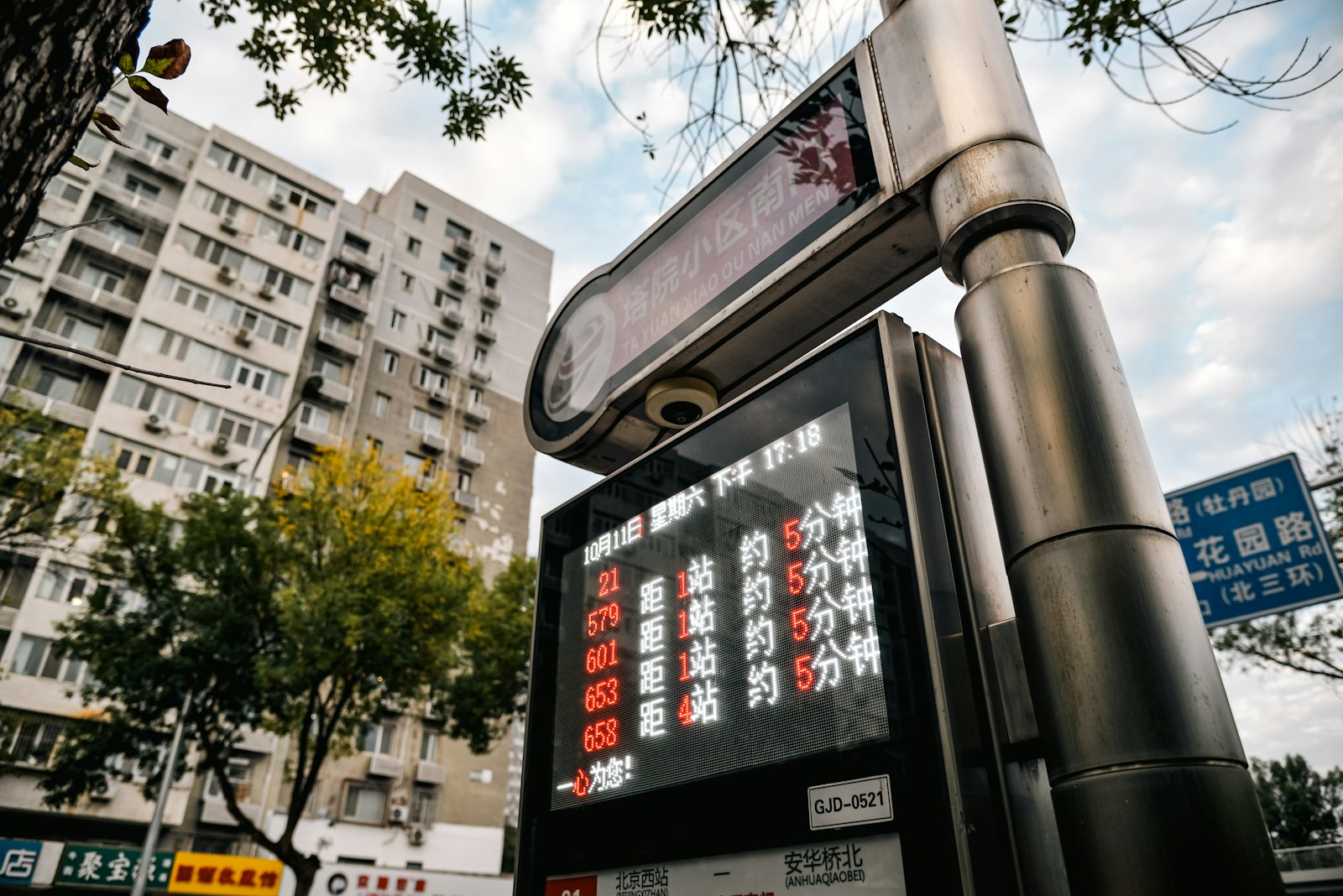
The important rule is simple: check the timetable’s validity dates first, then check whether your journey is feriale, festivo, scolastico, or another service category. “Summer” alone is rarely enough to identify the correct bus.
What orario estivo and orario invernale actually mean
Orario estivo literally means “summer timetable.” Orario invernale means “winter timetable.” They are operating periods, not weather forecasts. A bus company can decide that its winter schedule begins in September and continues until the following June.
For example, TPER’s Ferrara network used an orario invernale from 15 September 2025 through 6 June 2026, followed by an orario estivo from 7 June through 14 September 2026. Those dates are printed by the operator on its timetable booklets, and both seasonal versions are available through the official TPER service page.
Do not turn those dates into a rule for the rest of Italy. Rome, Naples, Tuscany and smaller provincial networks can use different periods, and individual routes can have their own seasonal changes.
Why the summer schedule can have fewer buses
Visitors sometimes assume a summer timetable means extra service because summer is peak tourist season. On many ordinary urban and suburban routes, the opposite happens.
During the school year, networks need extra buses for students and commuters. Once schools close, some of those journeys disappear and frequencies may be reduced. Naples operator ANM, for example, explicitly warns that service can be reduced or reorganized during the summer period as demand changes.
At the same time, tourist areas may gain entirely new services. Coastal Tuscany is a good example: Autolinee Toscane adds seasonal connections to beaches and seaside towns during summer. So the same network can simultaneously have fewer school-oriented buses and more buses to the coast.
Think of estivo as “the network configuration currently used during summer,” not automatically “more frequent service.”
Read the date range before reading the departure times
When you find a timetable at a stop, in a PDF, or on an operator website, look near the title for wording such as:
- In vigore dal 7 giugno al 14 settembre: valid from 7 June to 14 September.
- In vigore dal 15 settembre: valid from 15 September.
- Validità: validity period.
- Orario estivo: summer schedule.
- Orario invernale: winter schedule.
If you have downloaded a PDF, do not assume it is current just because it appears high in a search result. Italian operators often leave previous timetable PDFs online. Check the year and the in vigore dates printed inside the document.
This matters particularly around the first and last weeks of the seasonal change. A departure you used on Friday may disappear on Monday because a new timetable has started.
Summer versus school-day service is a separate problem
Some networks do not divide every route neatly into only estivo and invernale. You may instead find several layers of service.
- Scolastico: operates on school days.
- Non scolastico: operates when schools are not in session.
- Vacanza scuola: service used during school holiday periods.
- Feriale: non-holiday service, although the treatment of Saturday must be checked on that particular timetable.
- Festivo: Sunday or public-holiday service.
- Sabato: Saturday, when the operator publishes a separate column.
- Domenica: Sunday.
Autolinee Toscane, for example, uses terms including non scolastico and vacanza scuola invernale for different parts of its network. That is why simply asking “is the summer schedule running?” may not resolve which departure applies.
A reliable order for reading an Italian bus timetable
- Confirm the operator. Several companies can use the same bus terminal or roadside stop.
- Check the route number and direction. Make sure you are reading the timetable toward the correct capolinea, or terminus.
- Check the validity dates. Choose the seasonal timetable that covers your actual travel date.
- Identify the day category. Look for feriale, sabato, festivo, scolastico, or non scolastico.
- Read the footnotes. A letter, number, asterisk, or symbol beside a departure can completely change where or when that bus runs.
- Check service notices. Roadworks, festivals, strikes and temporary diversions can override the printed schedule.
The footnotes deserve particular attention on extraurban buses. A departure marked with a small symbol might operate only on school days, terminate early, skip a village, or run only during a specified period.
Do not assume Saturday means feriale
Feriale often refers to ordinary non-holiday days and can include Saturday, but Italian operators frequently publish a separate Saturday schedule. If you see columns headed feriale, sabato, and festivo, use the explicit Saturday column.
The safest approach is not to memorize a national definition. Read the categories printed by the operator responsible for your route.
This is especially important for rural connections where Saturday frequency may drop sharply even though shops and attractions are operating normally.
Ferragosto can override the normal summer pattern
August 15, Ferragosto, is a national public holiday and one of the dates on which ordinary weekday assumptions are most likely to fail.
A route that normally runs on an August weekday may switch to orario festivo, operate a reduced service, or receive a special holiday timetable. Some seasonal tourist routes specifically operate on Ferragosto, while other services are suspended.
Do not look only at the weekday. Check the operator’s service notice for August 15 itself. The same caution applies to other public holidays including Christmas Day, New Year’s Day, Easter, April 25, May 1 and June 2.
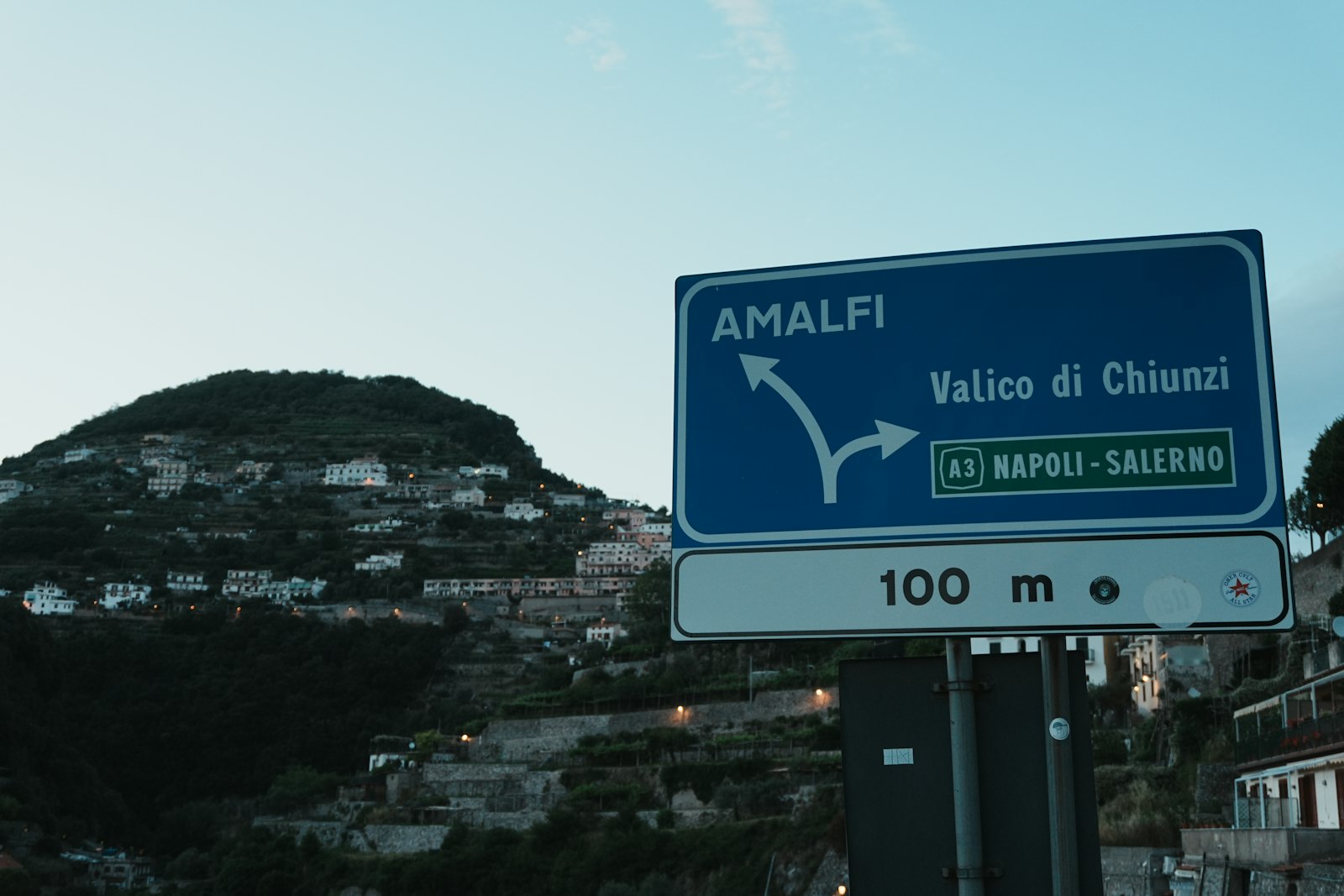
Summer can also create buses that do not exist in winter
Seasonal timetables are not purely about reductions. Beach resorts, lakes and nightlife areas sometimes receive special lines that appear only for a few months.
Autolinee Toscane’s 2026 summer services, for example, included connections toward beaches around Pisa and Livorno and other seasonal routes running only between June and September. These services can have their own start dates that do not match the network-wide school calendar.
If your destination is a beach, campsite, mountain trailhead or seasonal attraction, search for the destination as well as the normal route number. The bus you need may be advertised as a servizio estivo, navetta, marebus, or another special service rather than appearing in the winter route booklet.
Why Google Maps and the bus-stop timetable may disagree
Digital journey planners are useful, but the transport operator remains the better source when schedules are changing. A disagreement can happen because a seasonal timetable has just started, temporary data have not propagated to every app, or the stop displays an older paper timetable.
If two sources give different departure times, use this order:
- Check the transport operator’s current website or official app.
- Look for a service-alert or avvisi section.
- Check the validity date on any PDF or stop notice.
- Use the live departure display if the operator provides one.
- Treat an older screenshot, cached search result, or travel-blog timetable as secondary information.
For other useful transport and mapping tools, see Italy on Foot’s guide to apps for getting around Italy. If your route involves several cities and seasonal connections, you can also organize the rest of your trip around the dates you will actually be travelling.
What to check for a late arrival
Seasonal reductions become more painful late in the evening because the missing bus may be the last useful connection of the day.
Do not plan an airport, train-to-bus, or rural transfer around a departure until you have checked that exact date. Look specifically for ultima corsa, meaning last run or last departure.
Allow extra caution when:
- your trip is shortly after the summer timetable begins;
- you are travelling on a Sunday or public holiday;
- your connection is after about 20:00 in a small town;
- the bus serves a mountain village or rural area;
- your train arrives close to the bus departure time;
- you are travelling around Ferragosto.
A delayed train does not normally cause a local bus to wait for you. If missing the bus would leave you stranded, identify the next departure and a taxi or accommodation fallback before starting the journey.
What if your bus does not arrive at the advertised time?
First check that you have not mixed the summer and winter schedules. Then check the direction of travel, day category and any timetable footnotes. Those three mistakes account for many apparent “missing buses.”
Next, search the operator’s avvisi, modifiche al servizio, or deviazioni pages. Italian buses are frequently rerouted around markets, street works, festivals and local events, and the temporary stop may be around the corner rather than at the normal pole.
If the departure really has been cancelled or you have missed the final service, do not keep waiting simply because an old timetable says another bus should appear. Recheck the live operator information, find the next confirmed departure, and switch to your backup while taxis and onward connections are still available.