For Pisa Airport to the Leaning Tower with luggage, a taxi is the easiest choice if you have a full-size suitcase, children, reduced mobility or a tight timed-entry slot. The best regular public-transport route is the PisaMover to Pisa Centrale, followed by bus 1+ to Torre di Pisa 1. A bus-only journey is cheaper, but the urban stop is outside the terminal and the bus operator’s luggage limits are much stricter than most airline allowances.
For a 2027 trip, check the linked operator pages shortly before travel. Full 2027 timetables and any fare revisions are not yet published across every service. The routes, luggage rules and service pattern below are based on the latest official information available going into 2027.
Which option makes most sense with luggage?
- Taxi: best for a large checked suitcase, several bags, young children or an early or late arrival. Allow roughly 10 to 20 minutes depending on traffic.
- PisaMover plus bus 1+: the most practical public-transport option. There is very little walking at the airport, although you must handle your bags during the change at Pisa Centrale. Allow roughly 25 to 40 minutes including normal waits.
- City buses only: potentially the cheapest option, but less convenient because the useful urban stop is away from the arrivals doors and luggage restrictions matter.
- Walking: possible for a light traveler, but dragging a suitcase all the way across Pisa is a poor trade for the money saved.
PisaMover plus bus 1+: the easiest public-transport route
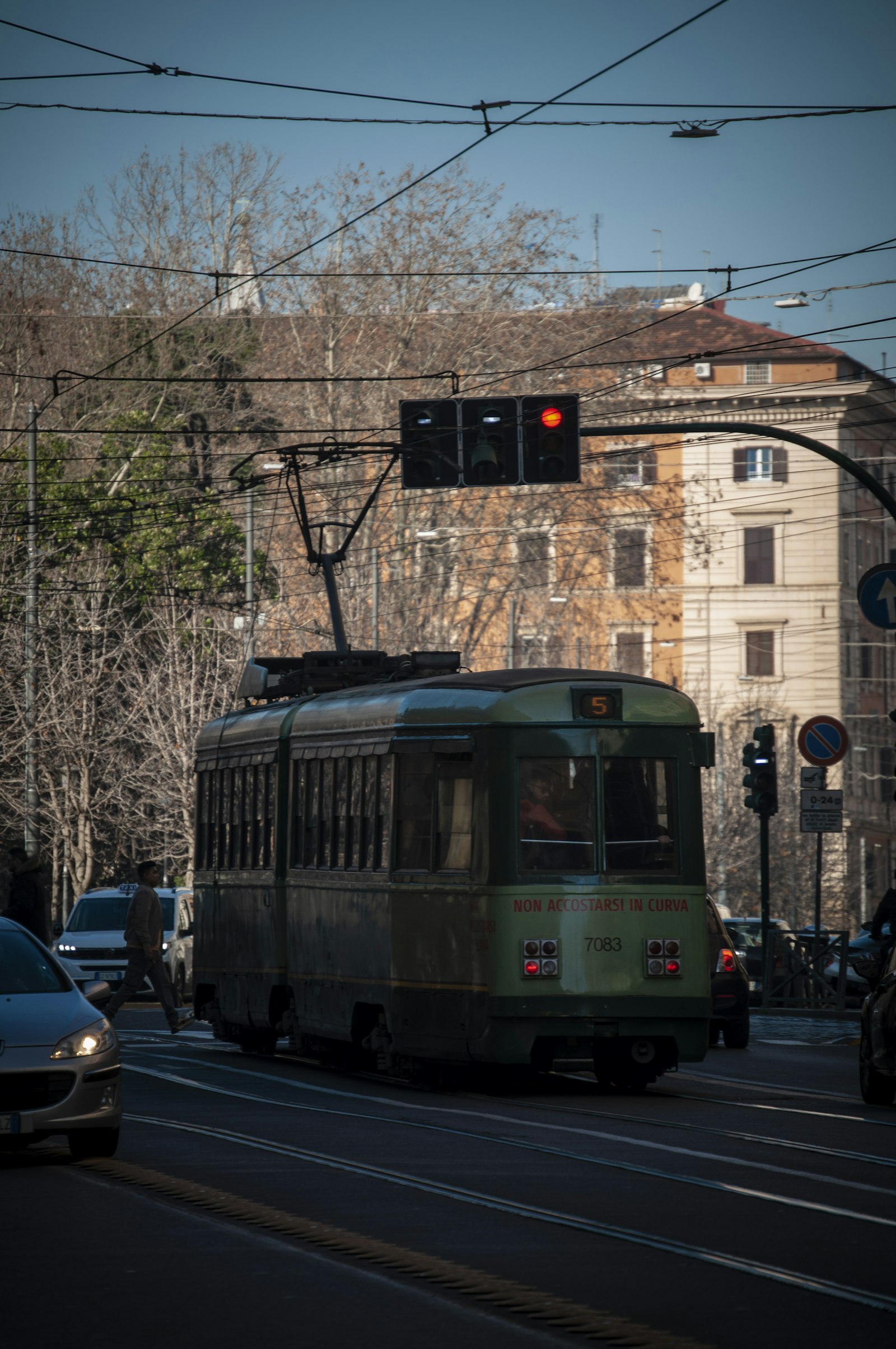
There is no regular Trenitalia train running directly from Pisa Airport to the monuments. What travelers often call the airport train is the PisaMover, a short automated shuttle between the airport and Pisa Centrale.
1. Leave Arrivals and follow the PisaMover signs
After baggage claim and customs, follow signs for People Mover or PisaMover. The airport station is less than 40 metres from the passenger terminal, beside Gate B, City Gate. This is one reason it works well with wheeled luggage: you do not need to cross a large car park or find a roadside bus bay.
Tickets are available from automatic machines at the station. Scan the ticket’s QR code at the entrance gates. The ride to Pisa Centrale takes about five minutes, including the intermediate San Giusto/Aurelia stop. Check the official PisaMover timetable for your 2027 date.
The latest operating pattern is daily from 06:00 until midnight, with service extended until 01:00 between 1 June and 30 September. Treat those hours as a planning baseline rather than a guaranteed 2027 timetable.
2. At Pisa Centrale, go to the main station side
The PisaMover arrives beside platform 14. For the bus to the monuments, continue through the railway station toward the main exit at Piazza della Stazione. Do not accidentally follow the separate Via Quarantola street access if your next step is the urban bus.
Look for the stop marked Stazione 1. Take line 1+ in the direction of Park Pietrasantina. Older maps and travel guides may still call this service LAM Rossa; Autolinee Toscane renamed it 1+.
The monument operator’s official directions currently list line 1+ from Stazione 1 to Torre di Pisa 1, with departures approximately every ten minutes. Check the live timetable because frequency and temporary diversions can change.
3. Get off at Torre di Pisa 1
Press the stop button before Torre di Pisa 1. The stop is at the edge of the Piazza del Duomo area, leaving only a short walk to the monuments.
The number matters. Torre di Pisa 1 is the useful stop when coming from Pisa Centrale on line 1+. Torre di Pisa 2 serves traffic in the opposite direction and is commonly used when heading back toward the station.
Bus only: cheaper, but check your suitcase first
You can avoid the PisaMover and use Pisa’s ordinary urban buses, but this is mainly worthwhile for travelers carrying a small bag.
Walk from the terminal toward the stop named Via dell’Aeroporto rotatoria. Line 5 serves this stop and Pisa Centrale. At the station, change to line 1+ toward Park Pietrasantina and get off at Torre di Pisa 1.
Pisa urban tickets are currently valid for 70 minutes after validation, so the two bus legs can normally fit within one valid urban ticket if the connection is straightforward. Autolinee Toscane increased the provincial-capital urban fare to €2 in August 2026; that is the latest official fare entering 2027, so confirm the current amount on the Autolinee Toscane fare page before traveling.
Paying contactless on the bus
Autolinee Toscane’s Tip Tap system accepts supported contactless bank cards, phones and watches. On an urban bus, tap when you board and wait for the green confirmation. If you change buses, tap again when boarding the second vehicle.
One card or payment device covers one passenger. A family cannot tap the same physical card four times for four people. For several passengers, buy the appropriate tickets in the AT app or another authorized channel. The operator explains the current process on its contactless payment page.
The bus luggage rule catches many airport passengers
Autolinee Toscane allows each passenger one piece of luggage free only when the total of its length, width and depth is no more than 105 cm and it weighs no more than 10 kg. It must not occupy a seat or block doors and aisles.
That 105 cm rule is surprisingly restrictive. A common 55 x 40 x 20 cm cabin roller totals 115 cm, already above the free allowance.
Luggage above the free limit, but within 150 cm total dimensions and 20 kg, is accepted only in a vehicle’s luggage compartment when one exists and space is available, and an additional fare applies. Ordinary city buses are not something to rely on for hold-style baggage space. Staff may also refuse luggage when the vehicle is crowded. Check the official luggage conditions before choosing the all-bus route.
Line 21 can be useful in the evening
The latest published Pisa timetable shows line 21 operating as an evening and night service, with some trips running from Via dell’Aeroporto through Pisa Centrale and onward to Torre di Pisa 1. That can remove the change at the railway station.
Do not treat line 21 as the normal daytime airport bus. Its service pattern is much more limited, and not every journey starts from the airport-area stop. Check the date-specific line 21 timetable before waiting for it.
Taxi: the sensible choice for a large suitcase
Pisa Airport’s official taxi rank is directly in front of the terminal on the Arrivals side, and the airport states that taxi service operates 24 hours a day.
Tell the driver:
Piazza Manin, Torre di Pisa, per favore.
Piazza Manin is a useful recognized drop-off at the edge of the monument area. Taxis cannot drive across the pedestrian Piazza del Duomo itself, so expect a short final walk.
Do not rely on an old blog post or screenshot promising a particular fixed price. The airport’s current guidance says fares can change and that the driver must start the meter. You can check the official Pisa Airport taxi information before traveling. The listed Radio Taxi number is +39 050 541600.
A taxi becomes particularly sensible when two or more people can share the fare. It also removes the risk that an urban bus refuses a large case because of its dimensions or lack of space.
The bigger luggage problem is at the Tower
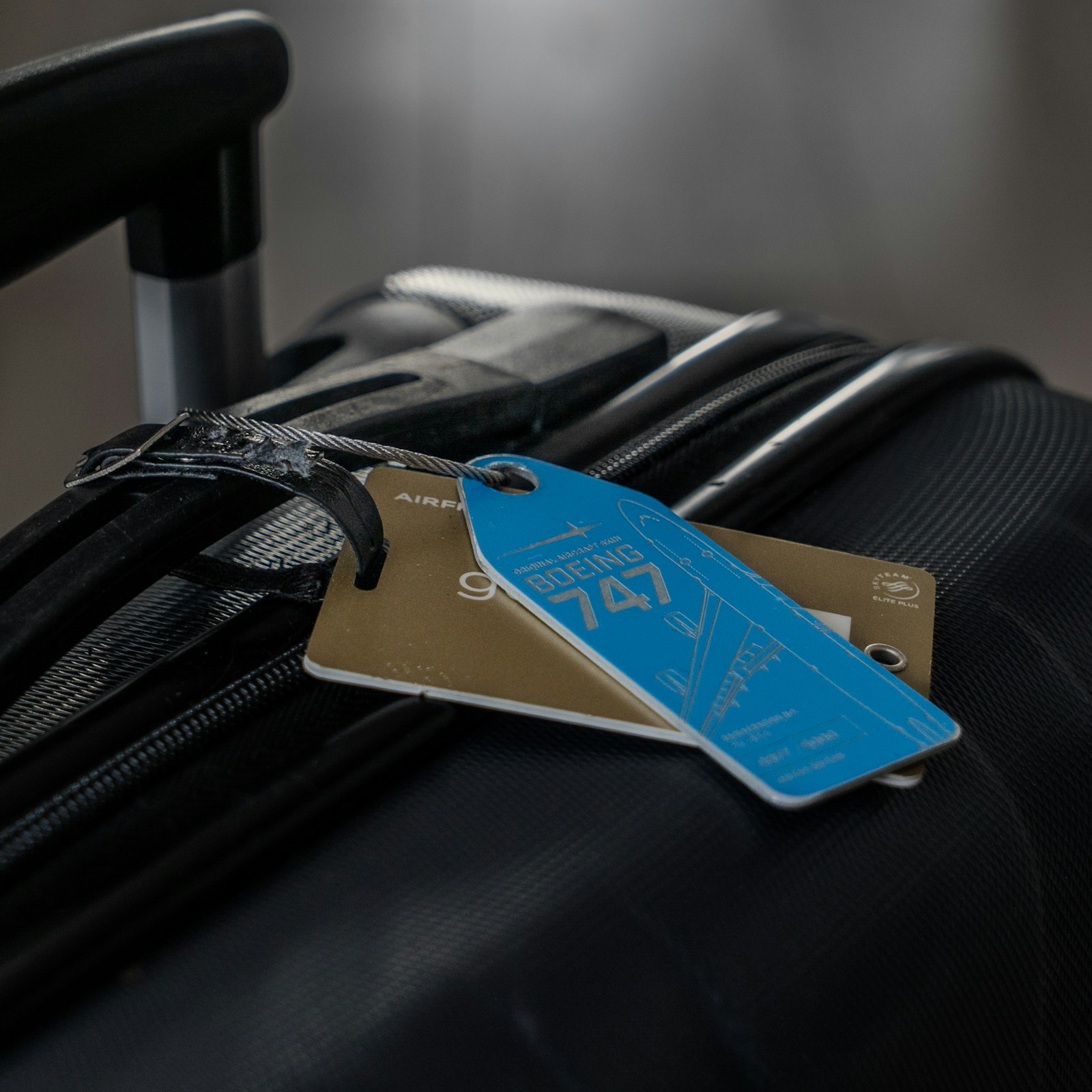
Getting your suitcase to Piazza del Duomo does not mean you can take it into the monuments.
The Opera della Primaziale Pisana currently prohibits large luggage and suitcases inside the monuments. Only small bags and backpacks up to 20 x 30 x 38 cm are accepted under its general security rules.
For anyone actually climbing the Leaning Tower, the rule is stricter: handbags, bags and permitted luggage must be left in the dedicated cloakroom before entry. The service is free for Tower visitors, and the official instructions tell ticket holders to arrive at least 15 minutes before their booked time.
The cloakroom is not a general left-luggage facility for airport suitcases. It is reserved for Tower visitors, belongings are meant to be collected immediately after the climb, and staff may refuse an item. A full-size checked suitcase should therefore be stored elsewhere before you reach your entry time. Read the current official Tower security and baggage rules before arriving.
Where to leave a large suitcase
If you are continuing by train later, Pisa Centrale is usually the most logical place to deal with a large case. RFI’s current Pisa Centrale station page lists a deposito bagagli service. Verify the operator and opening hours before relying on it, particularly for an early morning or evening visit.
Trenitalia also currently partners with luggage-storage providers operating in Pisa. If your hotel is near the monuments, an even simpler solution is often to take a taxi there, leave the bags with reception, then walk to the square without luggage.
If Pisa is one stop in a longer trip, you can also organize the rest of your Italy route around the airport arrival, luggage stop and onward train rather than treating each transfer separately.
Do not book a Tower climb too close to your flight arrival
The Tower operates on timed admission. The official rules state that arriving late means losing the visit, with no right to a refund.
A scheduled aircraft landing time is therefore a poor basis for a tight monument booking. You still have to disembark, possibly clear passport control, wait for checked baggage, reach the city, deal with the suitcase and report for the climb 15 minutes early.
With checked luggage, leaving around two hours or more between scheduled landing and a Tower reservation is much safer than trying to make a one-hour connection. Add more margin for a non-Schengen arrival, mobility assistance or a summer flight at a busy time.
If a delayed flight makes your booked slot impossible, do not race across Pisa with a suitcase hoping staff will admit you late. Go to the official ticket office and check whether a new same-day slot is available. There is no guarantee, but you can still visit the open Piazza del Duomo and adjust the rest of your visit. For the monuments themselves, see the Italy on Foot guide to Piazza dei Miracoli and the Leaning Tower.
Late arrivals, Sundays and public holidays
If your flight arrives late, check the entire journey rather than just the airport shuttle. The PisaMover may still be running while the useful city bus from Pisa Centrale is on a reduced evening schedule.
The latest PisaMover pattern runs until midnight for most of the year and until 01:00 in summer. After the last useful public-transport connection, the 24-hour airport taxi rank is the straightforward fallback.
On Italian bus timetables, feriale indicates a working-day service pattern and festivo a Sunday or public-holiday pattern. Saturday can have its own schedule. Enter your actual 2027 date in the AT journey planner rather than copying a weekday departure time into a Sunday plan.
Temporary roadworks and events can also move stops around the Tower. Autolinee Toscane posts service notices online, and Pisa bus stops are increasingly equipped with QR codes showing live departures and current disruptions. If Torre di Pisa 1 is temporarily suspended, follow the operator’s replacement-stop notice rather than walking to the usual pole and waiting.
Reduced mobility, children and strollers
Pisa Airport assistance can accompany passengers with reduced mobility to the PisaMover area, and RFI lists accessible routes and lifts at Pisa Centrale. Lift outages can occur, so travelers who cannot comfortably manage a station transfer should consider a taxi from the airport.
Autolinee Toscane permits strollers when they can be carried safely. They should use the designated space, have the brakes applied and be held by the accompanying adult. Space can still be an issue on a crowded urban bus, especially when several passengers also have suitcases.
For a small backpack, PisaMover plus line 1+ is usually the practical public-transport choice. For a normal airline roller, check its dimensions before relying on the city bus. For a full-size checked suitcase, several bags, or a timed climb soon after landing, take a taxi or leave the luggage at Pisa Centrale first. Save the names Stazione 1, Park Pietrasantina and Torre di Pisa 1 before setting out, since those are the signs that make the public-transport change straightforward.