Walking is usually the better choice: the direct route is about 1.7 km and takes roughly 20 to 25 minutes, while the bus saves walking but can lose much of that advantage while you wait. For Pisa Centrale to the Leaning Tower, the most useful bus is Line 1+ from Stazione 1 toward Park Pietrasantina, getting off at Torre 1. Choose the bus for heat, mobility issues or light luggage; walk if you want the simplest, most predictable transfer.
For 2027 trips, treat the route numbers and fares below as the current planning baseline rather than something to memorize months in advance. Pisa’s monument authority currently lists Line 1+ about every 10 minutes, but Autolinee Toscane can alter timetables, seasonal frequencies and holiday service. Check the official Piazza del Duomo transport information and the AT journey planner shortly before travel.
Bus or walk: which is actually faster?
The bus ride itself is only about 10 minutes. The catch is everything around it: finding the correct bay, waiting for the next departure, boarding, and walking from Torre 1 into Piazza del Duomo. A 5 to 10 minute wait can make the total journey surprisingly close to walking.
- Walk if the weather is reasonable, you have manageable bags and you want a predictable 20 to 25 minute transfer.
- Take Line 1+ if you would rather save your legs, particularly in summer heat.
- Consider a taxi instead if you have large suitcases, significant mobility limitations or a Tower entry time that is uncomfortably close.
- Do not take the bus purely because it looks faster on a map. With a wait included, the time saving can be small.
The most direct walking route from Pisa Centrale
If your priority is reaching the Tower rather than sightseeing through the historic centre, the western route via Ponte Solferino and Via Roma is straightforward and has relatively few turns.
- Leave Pisa Centrale through the main station exit into the station forecourt and head toward Piazza Vittorio Emanuele II.
- Angle toward Via Francesco Crispi rather than continuing along Corso Italia.
- Follow Via Crispi north until you reach the Arno.
- Cross the river on Ponte Solferino.
- Continue toward Via Roma and follow it north.
- Via Roma takes you toward the Santa Chiara and university area beside Piazza del Duomo, the official name of the square commonly called Piazza dei Miracoli.
- Once you reach the monumental square, continue across to the Leaning Tower.
This is a useful route when you have a train to catch later because it is easy to reverse. Save Pisa Centrale on your phone before leaving and simply retrace Via Roma, Ponte Solferino and Via Crispi on the way back.
The better walking route if you want to see central Pisa
There is a slightly more interesting route through the pedestrian heart of the city. Pisa’s municipality identifies this south-to-north axis as a principal tourist route linking the station with the monumental square.
- From the station, continue through Piazza Vittorio Emanuele II into Corso Italia.
- Follow Corso Italia to the Arno and cross Ponte di Mezzo.
- Continue into Borgo Stretto.
- Turn into Via Ulisse Dini for Piazza dei Cavalieri.
- Leave the square via the Piazza Buonamici and Via Corsica side, continuing along Via dei Mille.
- Turn right onto Via Santa Maria.
- Follow Via Santa Maria straight to Piazza del Duomo.
This route adds central Pisa to the transfer rather than treating the station and Tower as two disconnected points. Recent pedestrian improvements around Piazza Buonamici, Via Corsica and Via dei Mille have also strengthened this walking axis.
If you have time after arriving, the Tower is only one part of the complex. Our guide to Piazza dei Miracoli and its monuments explains what else is inside the square and how the timed Tower visit works.
How to find the correct bus outside Pisa Centrale
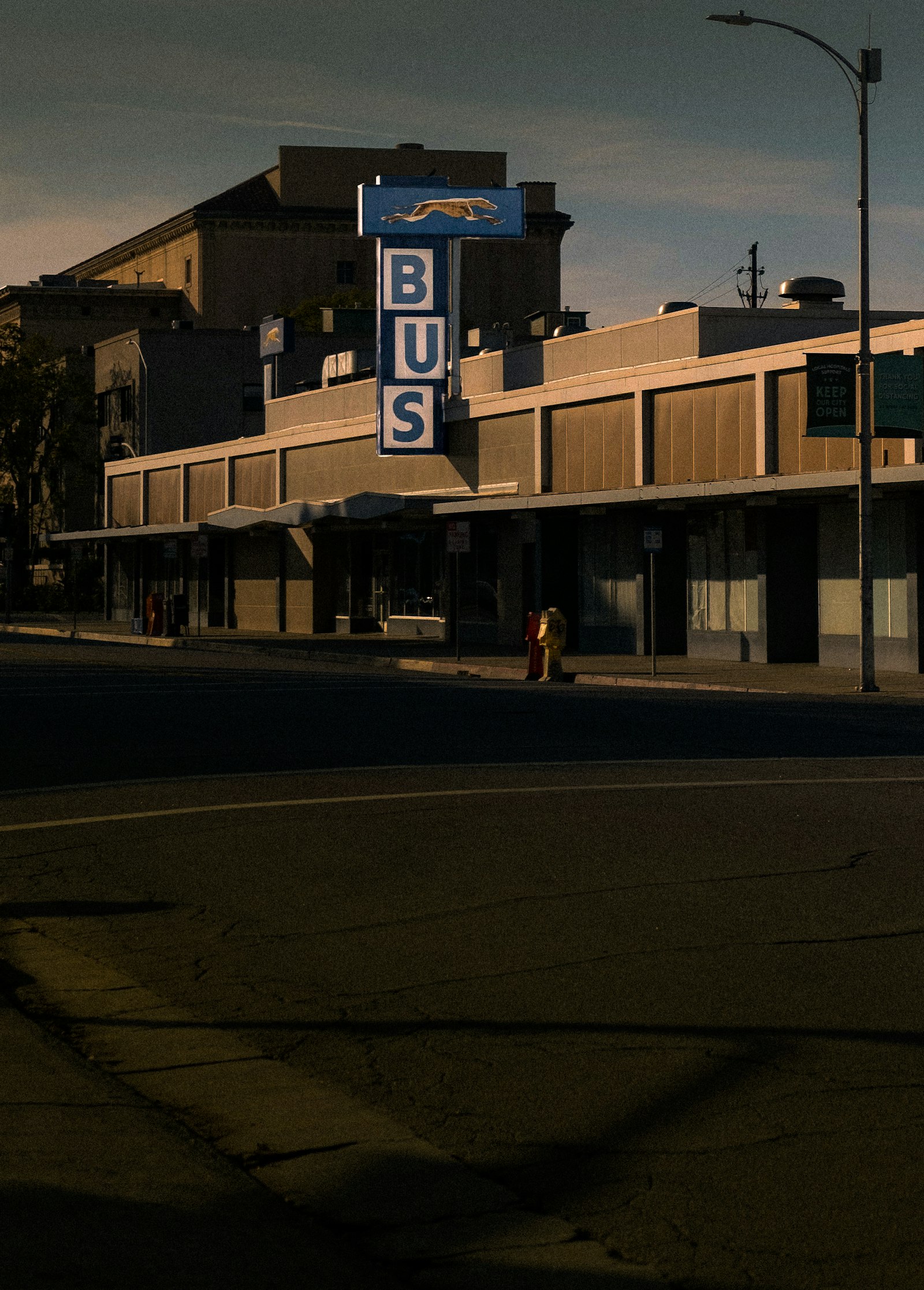
Leave through the main station entrance and stay in the station forecourt. The urban stops are numbered Stazione 1, Stazione 2, Stazione 3 and so on, so do not board merely because a bus has “1” somewhere on its display.
You want:
- Stop: Stazione 1
- Line: 1+
- Direction: Park Pietrasantina
- Get off: Torre 1
The number 1+ is particularly useful to remember. Older guidebooks, websites and signs may still refer to this service as LAM Rossa, its former name. Autolinee Toscane now uses 1+.
Do not confuse Stazione 1 with Stazione 4. Stazione 4 serves the same route in the opposite direction, toward Ospedale Cisanello. Board there and you will be heading away from the Tower.
What happens at Torre 1
Press the stop button before your stop rather than assuming the driver will stop automatically. AT advises passengers to request their stop in advance.
After getting off at Torre 1, follow signs for Torre, Piazza del Duomo or Piazza dei Miracoli. You are close, but the bus does not deposit you underneath the Leaning Tower itself. Allow several minutes for the final walk into the monumental area.
Bus tickets, contactless payment and validation
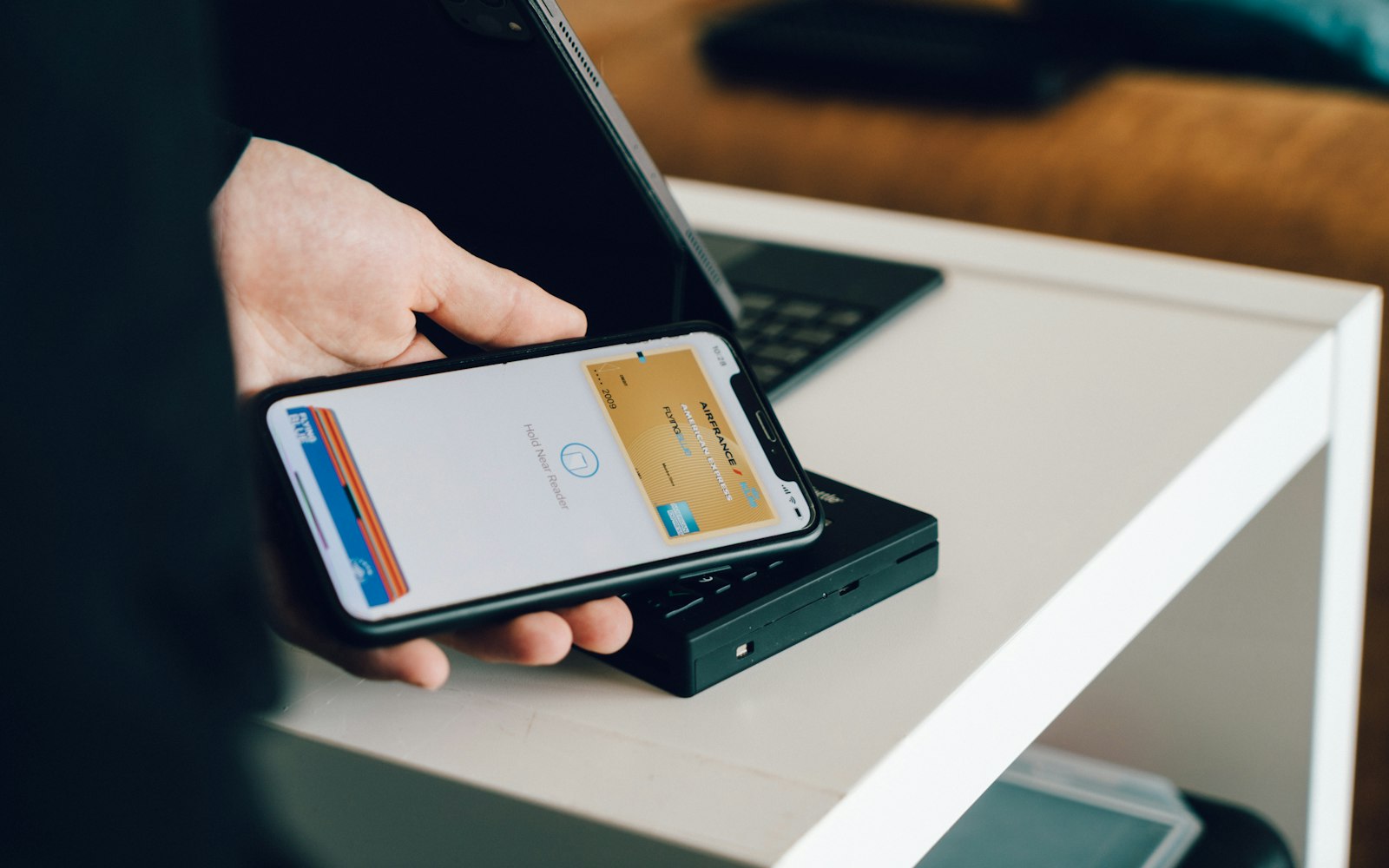
The current Autolinee Toscane Urbano capoluogo fare published from August 2026 is €2.00 and is valid for 70 minutes after validation or activation. Check the official urban fare page before a 2027 journey in case prices change.
You have several practical ways to pay:
- Contactless: tap an accepted contactless bank card, phone or wearable on the validator after boarding. On an urban journey you need one tap when you board.
- Paper ticket: validate it immediately after boarding.
- AT Bus app: activate the digital ticket as you board, not while you are still waiting for a delayed bus.
- Driver ticket: possible on urban services, but the current onboard fare is higher than buying in advance.
A green confirmation on the contactless reader means the payment has worked. If a paper-ticket validator is out of service, AT instructs passengers to write the date and time on the ticket themselves and tell the driver. Simply carrying an unstamped ticket is not enough.
Coming back to Pisa Centrale: the stop changes
This is the detail that catches people out. The stop used for the return trip is not Torre 1.
For Line 1+ back toward the railway station, use Torre 2 in the direction of Ospedale Cisanello. The route then reaches Stazione 4 at Pisa Centrale.
- Station to Tower: Stazione 1 → Torre 1
- Tower to station: Torre 2 → Stazione 4
Do not stand at Torre 1 waiting for a bus back to your train. Check the stop pole for “1+” and the Cisanello direction before boarding.
What if Line 1+ is crowded or delayed?
You have an official backup from the station. The monument operator also lists Line 4 from Stazione 8 to Del Parlascio, normally less frequent than Line 1+. Del Parlascio leaves you on the eastern side of the historic centre with a short onward walk to the square.
If the display shows a long wait for both options, walking can be faster than continuing to wait. From the station forecourt you can simply abandon the bus plan and start toward Via Crispi or Corso Italia.
For a trip involving several Italian cities, it can help to organize the rest of your trip around real transfer time rather than assuming every station-to-attraction connection is instantaneous.
Late evening, Sundays and public holidays
Do not assume the daytime 1+ frequency continues late into the evening. The Piazza del Duomo operator currently lists Line 21 as the night service, leaving from Stazione 5 toward Torre 1, with a less frequent service pattern.
Sunday, public-holiday and seasonal schedules can also differ. This matters especially in 2027 because a timetable downloaded months earlier may not match the service operating on your exact date. Check the live AT departure board before leaving the station or the square.
Walking with luggage is often easier than taking the bus
A small suitcase may make the bus look attractive, but AT’s luggage rules are stricter than many visitors expect. One piece travels free only when its three dimensions add up to no more than 105 cm and it weighs no more than 10 kg.
That means some ordinary airline cabin rollers already exceed the free size limit once length, width and depth are added together. Larger luggage may be accepted only under additional conditions, including available storage space, and transport can be refused when a bus is crowded. Urban buses are not something to rely on for a full-size suitcase.
RFI lists a left-luggage facility at Pisa Centrale. For a day trip, leaving a large suitcase at the station can be far more convenient than carrying it to Piazza del Duomo and back.
Do not take a large suitcase to a Tower climb
The Tower’s own baggage rules are separate from the bus rules. The Opera della Primaziale Pisana states that large luggage and suitcases are not permitted in the monument area covered by its security restrictions, with only small bags or backpacks up to 20 × 30 × 38 cm accepted.
Tower ticket holders have access to a free cloakroom and must leave handbags, bags and permitted luggage there before climbing. The Opera asks visitors to arrive at the cloakroom 15 minutes before the time printed on the ticket. The cloakroom is not a substitute for bringing a large travel suitcase from the station.
Strollers, wheelchairs and reduced mobility
The central walking routes are mostly flat, but flat does not mean completely smooth. Expect stone paving, kerbs, pedestrian crossings and busy stretches near Piazza del Duomo. A 20-minute walk can feel considerably longer with limited mobility.
Autolinee Toscane allows strollers when they can be carried safely. Open strollers use the designated space where permitted, but wheelchair users have priority and the driver can refuse a stroller when the vehicle is too crowded.
Passengers who require a wheelchair ramp can request an accessible bus through AT in advance. The operator asks for at least 48 hours’ notice if a ramp-equipped vehicle is required and says service depends on suitable vehicles and accessible stops. If you need certainty rather than hoping the next urban bus works for you, a taxi may be the more practical station transfer.
How much time to leave before a timed Tower ticket
Do not book a Tower entry 20 minutes after your train is scheduled to reach Pisa Centrale. The monument operator states that late arrivals are not admitted and do not receive a refund.
A sensible minimum is about 45 minutes between scheduled train arrival and Tower admission, with an hour giving a more comfortable margin. That accounts for getting off the train and through the station, walking or waiting for a bus, reaching the square and checking a bag before the climb.
If your train is delayed, taking Line 1+ will not necessarily rescue the booking. A bus that is due in eight minutes plus a roughly 10-minute ride can easily be slower than immediately starting the walk. With a genuinely tight deadline and no large luggage, a taxi from the official rank outside Pisa Centrale is the safer recovery option.
Travelers coming from Florence can also use our Florence to Pisa day-trip guide to build enough station and monument buffer into the full journey rather than treating the train arrival time as the start of the Tower visit.