On many Italian trains, you can use the same booked train even if you join it at a later stop along the route, but the important catch is your reserved seat. With Trenitalia Frecce and Intercity services, boarding an Italian train at a later station does not automatically mean the whole ticket disappears. However, Trenitalia’s current conditions say you lose your entitlement to the reserved seat if you have not occupied it within 15 minutes of the train leaving the station where that reservation begins.
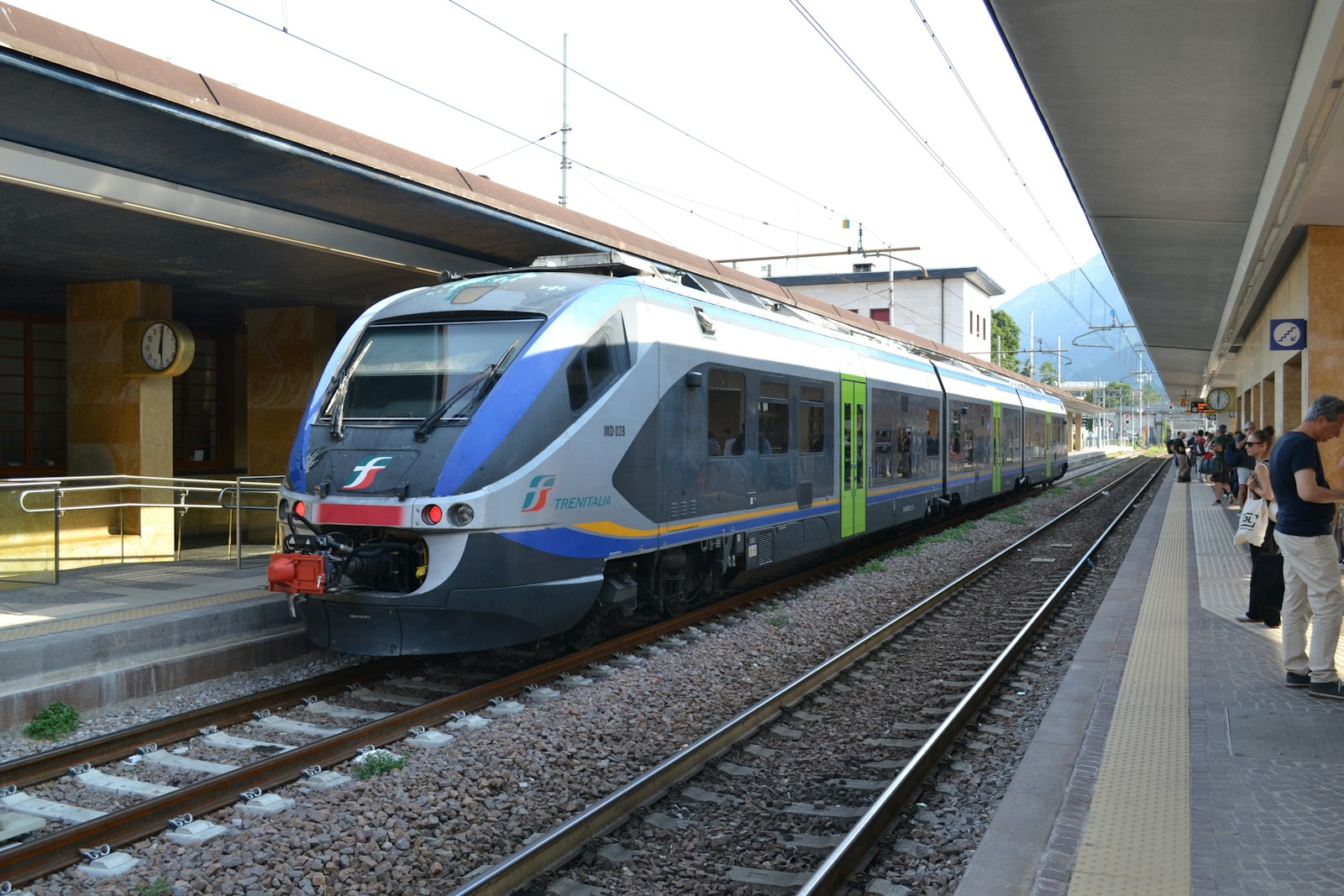
That distinction matters. A ticket from Milano Centrale to Roma Termini does not become a ticket for a different train simply because you decide to join the same service at Bologna Centrale. What may change is whether seat 8A is still yours when you get there.
The simple rule: same train is very different from a later train
First, check the train number on your ticket. If your reservation says Frecciarossa 9511, for example, you need to board Frecciarossa 9511 at the later station. Your ticket is not automatically transferable to another Frecciarossa simply because that train also goes to your destination.
Trenitalia national tickets for Frecciarossa, Frecciargento, Frecciabianca, Intercity and Intercity Notte are issued for a specific train and day, with a seat assigned at purchase. They do not require validation before boarding.
So think of these as two completely different situations:
- You skip Milan and board your booked Milan-Rome train when that exact train reaches Bologna: the later boarding point is still on the journey you paid for.
- You miss your Milan-Rome train and take another train from Bologna: that is a change of train and the fare rules for your ticket apply.
Do not use “I paid for a longer journey” as a reason to board a different service. The ticket is tied not only to the geographic route but also to the booked train.
What happens to your Trenitalia seat after 15 minutes
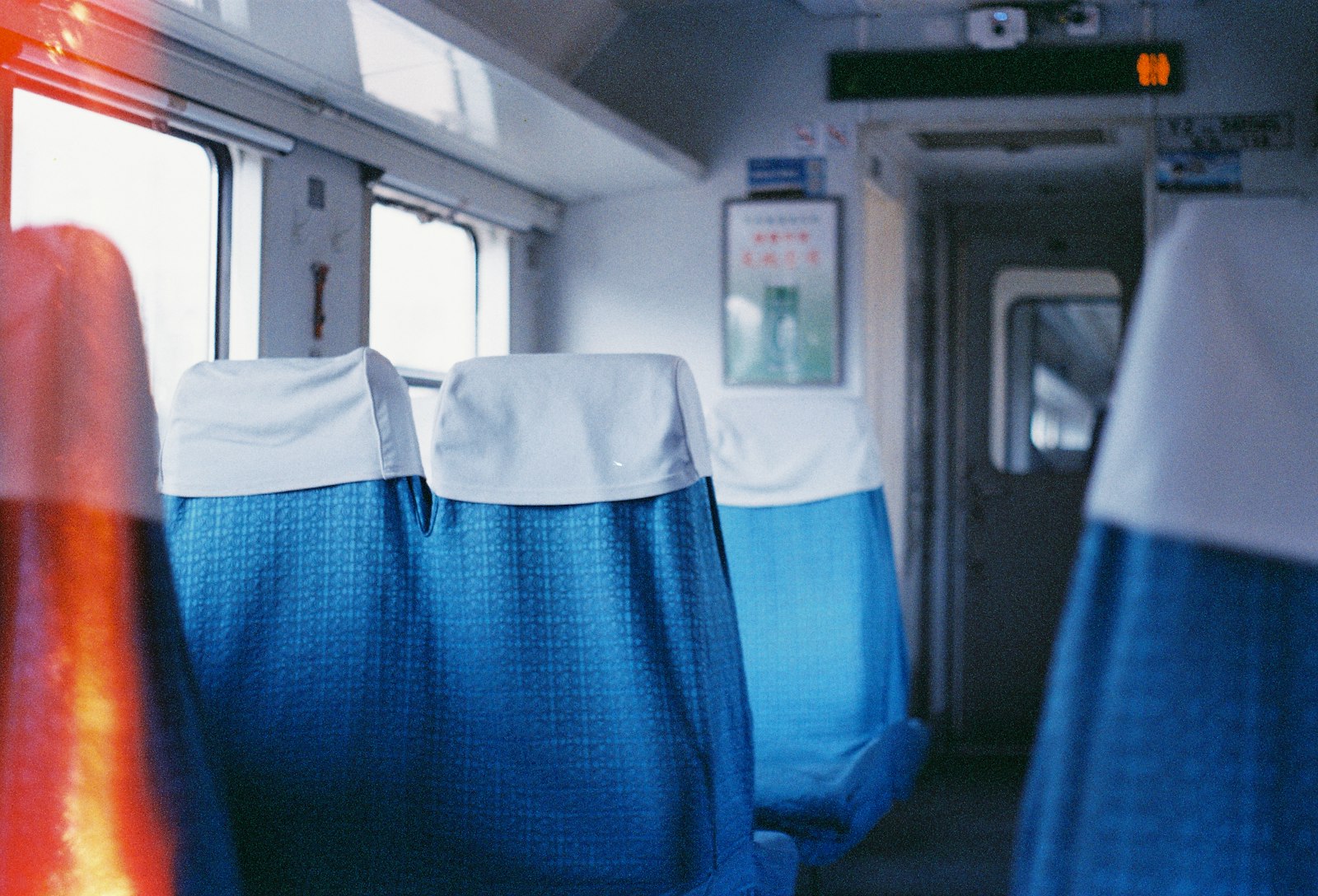
This is the part most travelers miss. Trenitalia’s national conditions state that a passenger who does not occupy the reserved seat within 15 minutes after the train departs from the station where the reservation takes effect loses the right to that reserved seat.
The clock runs from the station where your reservation starts, not from the station where you eventually decide to board.
Imagine your ticket is Milan to Rome and you plan to join at Bologna. By the time the train reaches Bologna, considerably more than 15 minutes will normally have passed since it left Milan. You should therefore assume that your original seat is no longer guaranteed.
That does not necessarily mean somebody will actually be sitting there. If the seat is empty when you board, speak to the capotreno or other onboard staff if there is any uncertainty. If another passenger has been placed there or has a valid claim to it, do not start an argument over the seat number printed on your original booking. The printed number does not restore a reservation entitlement that has already expired under the 15-minute rule.
How to board at the later station
You do not normally need to “check in” at the ticket office simply because you skipped the first part of a Frecce or Intercity journey. Instead, make sure the exact booked train actually stops at your new boarding station.
- Open the booking and note the numero treno, the train number.
- Check that the later station is a scheduled stop for that train.
- At the station, look under Partenze, departures.
- Find the service by train number rather than relying only on the destination displayed on the board.
- Check binario, the platform or track number.
- Board that exact train and keep the ticket and identification ready for inspection.
The departure board may display the train’s final destination rather than the city printed as your destination. A Florence-bound passenger joining a train that continues to Naples may therefore need to look for “Napoli Centrale” on the board. The train number is the safer reference. The same technique is useful throughout Italy and is explained in more detail in our Italy by train guide.
What if there is a ticket gate before the platform?
Several major Trenitalia stations use access controls before the platform area, including stations such as Milano Centrale, Roma Termini, Napoli Centrale, Firenze Santa Maria Novella, Venezia Santa Lucia and Torino Porta Nuova. Trenitalia instructs passengers to have the barcode or ticket ready for inspection at these gates.
If a staffed gate questions a ticket showing an earlier origin, show the complete ticket and explain that you are joining the same train there. A useful sentence is:
Ho un biglietto da Milano a Roma, ma prendo lo stesso treno qui a Bologna.
“I have a ticket from Milan to Rome, but I’m taking the same train here in Bologna.”
Do not buy a replacement ticket simply because a gate does not immediately recognize what you are doing. Speak to railway staff first.
Boarding with luggage when the train stops only briefly
A later boarding station can actually make luggage more awkward than starting at the train’s origin. At an intermediate stop, the train may remain at the platform for only the time needed for passengers to get on and off.
Check your carrozza, carriage number, before the train arrives. Some station displays show the train composition or platform sectors. If they do, position yourself near the section where your carriage should stop rather than waiting at the opposite end of a long platform with two suitcases.
If the train arrives and you are clearly nowhere near your carriage, getting safely aboard the correct train is more important than sprinting alongside it looking for carriage 7. Follow staff instructions, board through an available passenger door while boarding is still permitted, then move through the train once it is underway if the train layout allows it.
This becomes particularly important at large stations where the platforms are long. Our Firenze Santa Maria Novella station guide shows how relying on the train number and platform information works in practice.
Does the same rule apply to Italo?
Italo has its own contract of carriage, so do not automatically transfer a Trenitalia rule to an Italo booking.
Italo’s published conditions say a passenger must hold a ticket valid for the specified route, train times and travel environment, and that tickets remain valid through the booked train’s arrival at the destination. The contract also lists circumstances in which a ticket becomes unusable, such as invalid ownership or payment problems. Failure to appear at the original station is not listed there as an automatic cancellation of the ticket.
Unlike Trenitalia’s national conditions, however, Italo does not publish the same explicit 15-minute reserved-seat rule in its current general contract. If you plan to skip your original Italo departure station, particularly when a specific seat, accessible space or additional service matters, the safest approach is to confirm the arrangement with Italo before the original departure time rather than assuming Trenitalia’s seat rules apply.
What you still cannot do is use the booking for any Italo service you fancy. Italo’s FAQ states that access is allowed only with a valid reservation for the service being used.
Regional trains work differently
Trenitalia regional trains do not normally have assigned seats, so there is no equivalent problem of losing seat 8A. The ticket type matters instead.
Digital regional tickets
The current Biglietto Digitale Regionale, usually abbreviated BDR, automatically validates at the scheduled departure time shown on the ticket. From that moment it becomes valid only for the train indicated, subject to the exceptions Trenitalia provides for delays and cancellations. Its normal validity continues until the scheduled arrival time at the destination.
If you are joining that same regional train farther along its route, you do not need to search for a yellow or green validation machine for the digital ticket. It has already validated automatically.
Do not confuse this with joining a completely different regional train. Under the current rules, boarding another train after the BDR has validated can result in a charge or irregular-travel treatment unless one of Trenitalia’s exceptions applies.
Paper regional tickets
Paper regional tickets are different again. Trenitalia says they must normally be validated in the station where the journey begins, before departure. Their usual validity is four hours from validation, although individual regional or provincial tariffs can contain different provisions.
If your plans change before using a paper ticket, validate it at the station where you are actually beginning the journey and make sure the unused earlier section does not create a conflict with any special local tariff printed on the ticket.
Regional rules are one reason it is risky to repeat a blanket statement such as “Italian train tickets are always valid from any intermediate station.” National Trenitalia services, Italo, Trenord and individual regional products are governed by different conditions.
What if your booking contains two or more trains?
A through journey can be more complicated than a simple Milan-Rome reservation. Suppose your ticket contains a regional train followed by a Frecciarossa, and you decide to skip the regional leg and appear directly at the high-speed connection station.
Do not treat that automatically as the same situation as skipping a few stops on one direct train. You may be dealing with multiple ticket components, separate validation rules or separate contracts of carriage.
Before departure, open the booking and identify each individual train number and ticket component. If the journey was bought through a third-party reseller, check which operator actually issued each leg. For a complicated multi-city trip, you can also organize the rest of your Italy route around the stations you genuinely intend to use rather than building unnecessary rail segments into the booking.
Passenger assistance must be changed to the new station
If you booked RFI Sala Blu assistance, changing where you board is not merely a ticket issue. Assistance is organized for particular stations and trains.
RFI specifically says that if a journey modification changes the stations or trains involved, the passenger must contact Sala Blu using the same advance-notice rules that apply to a new assistance request.
In other words, do not book wheelchair boarding assistance in Milan and simply expect the team in Bologna to know that you are now appearing there instead. Amend the assistance reservation as soon as your plans change.
If your original seat is occupied when you board
The calmest sequence is:
- Check that you have boarded the correct train and carriage.
- Check the seat number on the booking.
- Remember whether more than 15 minutes have passed since your booked Trenitalia origin.
- If the seat is occupied, speak to onboard staff rather than insisting that the other passenger move.
- Follow the seat the conductor assigns or directs you to use.
If the train is very full, losing the reservation can be inconvenient. That is the main practical reason to change the booking’s departure station in advance when your fare allows it, rather than deliberately creating a no-show at the original station.
Do not change the ticket unless you actually need to
Changing your departure station sounds tidy, but fare conditions can make a formal ticket change more complicated than simply using a shorter part of the same booked service. Economy, promotional and deeply discounted fares may restrict changes or require you to pay a fare difference.
If the train, date and destination are staying exactly the same, first establish whether you actually need a formal change. For Trenitalia national services, the immediate practical issue created by joining later is the 15-minute seat rule. If having a guaranteed seat is important, make the change before departure when your fare permits it.
If the operator, train number or date is changing, you are dealing with a genuine ticket change, not merely a different boarding point. Check the operator’s current conditions before boarding, especially with a restricted promotional fare.
The mistake to avoid
The dangerous assumption is not “I can skip part of a journey I paid for.” It is “therefore I can take whichever train I want from the later station.”
Keep the train number fixed. Check that the service stops where you intend to join it. Expect a Trenitalia reserved seat to lose its protected status once the 15-minute window has passed. With regional tickets, check the ticket type and validation rules. With Italo or any other operator, use that company’s conditions rather than applying Trenitalia’s rules by analogy.