Walk into the bacaro, go to the counter, look at what is displayed, choose the individual bites you want, add a drink, and follow the bartender’s lead on when to pay. For a first-timer, ordering cicchetti in Venice is usually much less formal than ordering in a restaurant. You do not need to know every topping in Italian, and pointing is completely normal. The main trick is recognizing that the counter, not an empty table, is usually where the transaction begins.
The basic bacaro sequence
- Go to the counter first. Unless a waiter immediately directs you to a table, do not sit down and wait for someone to bring a menu.
- Look at the cicchetti on display. They may be behind glass, arranged on trays, or listed on a board.
- Choose individual pieces. Pointing and saying questo, per favore is fine.
- Order your drink at the same time. An ombra is a small glass of wine; a spritz is equally easy to order.
- Ask when to pay if it is not obvious. Some places take payment immediately. Others keep track of your order and settle the bill when you leave.
- Take your plate and glass where staff indicate. That may mean standing at the counter, using a shelf or barrel outside, or taking an available table.
There is no Venice-wide rule requiring every bacaro to use the same payment or seating system. Treat the first thirty seconds inside as reconnaissance rather than trying to impose a restaurant routine on a tiny wine bar.
Do you order a mixed plate or choose each cicchetto?
Usually you choose the pieces yourself. A counter might have twenty different bites in front of you, and there is no expectation that you already know their names. Point to one, then another, and staff will normally put them together on a small plate, paper, or napkin depending on what you have ordered.
Cicchetto is singular and cicchetti is plural. You may also see the Venetian spelling cichéto or cichéti. A bàcaro, plural bàcari, is the traditional Venetian wine-bar setting associated with these small bites.
The official Venezia Unica guide to ombre and cichéti gives a good sense of the tradition, including classics such as baccalà mantecato, sarde in saor, folpeti and seasonal castraure.
How to point without holding up the counter
You do not need a rehearsed speech. Get close enough to see the display, decide on two or three things, and order them together rather than calling the bartender back after every bite.
- Questo, per favore. This one, please.
- Due di questi, per favore. Two of these, please.
- Cos’è questo? What is this?
- Cosa c’è dentro? What’s in it?
- È vegetariano? Is it vegetarian?
- Un’ombra di bianco, per favore. A small glass of white wine, please.
- Ordino qui? Do I order here?
- Pago adesso? Do I pay now?
Pointing is especially useful because two similar-looking crostini can contain completely different things. If the bartender names something quickly in Venetian or Italian and you do not catch it, asking cos’è? is easier than pretending.
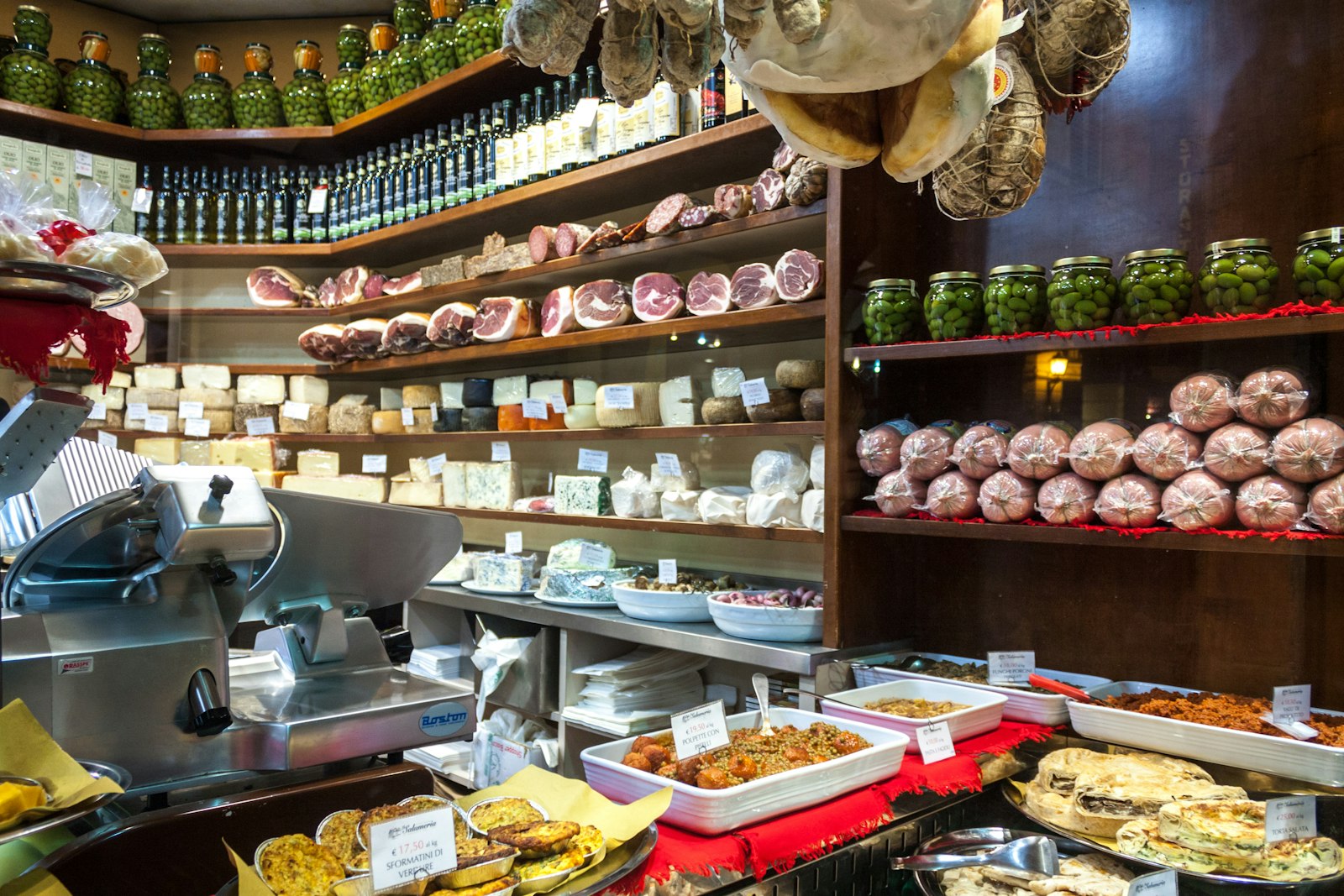
What you are actually looking at behind the glass
A classic selection can include bread or polenta topped with whipped salt cod, anchovies, cheese, cured meat or vegetables; fried polpette; sardines prepared in saor with onions and vinegar; seafood; small sandwiches; and whatever the kitchen has prepared that day.
Baccalà mantecato is one of the most recognizably Venetian choices. Despite the name baccalà, the Venetian preparation traditionally uses stockfish that is cooked and whipped into a creamy mixture. Sarde in saor are sardines with a sweet-and-sour onion preparation. Polpette are small fried balls that can contain meat, fish or other fillings, so do not assume every one is the same.
For a broader explanation of these dishes and other local food, see our guide to what to eat in Venice.
What to drink: ombra, spritz or something else?
An ombra means a small glass of wine in this context. If you simply ask for an ombra, the bartender may ask bianco o rosso?, white or red, or offer whichever house wines are being poured.
You can also order a spritz, beer, sparkling water or another non-alcoholic drink. There is no requirement to drink wine just because you are in a bacaro. If several wines are listed by the glass and you care about the price or producer, point to the one you want rather than relying on the generic word ombra.
Do you pay before or after eating?
This is the part travelers most often try to turn into a rule when there is not one. Some counters ring up the food and drinks immediately. Others keep the total until you finish. A place serving several rounds may operate differently from a tiny counter where every transaction is settled as it happens.
Watch the customer ahead of you. If they tap a card immediately after ordering, that is your clue. If everyone walks away from the counter carrying plates without paying, the bar is probably keeping track.
When you cannot tell, say pago adesso? There is nothing awkward about asking.
Electronic payment is not restricted to large restaurant bills. Italian law requires businesses subject to the rule to accept supported electronic payments regardless of transaction value, except in cases of objective technical impossibility. Still, having a small amount of cash is useful if a terminal is temporarily unavailable or you want to settle a tiny round quickly.
Standing at the counter versus sitting at a table
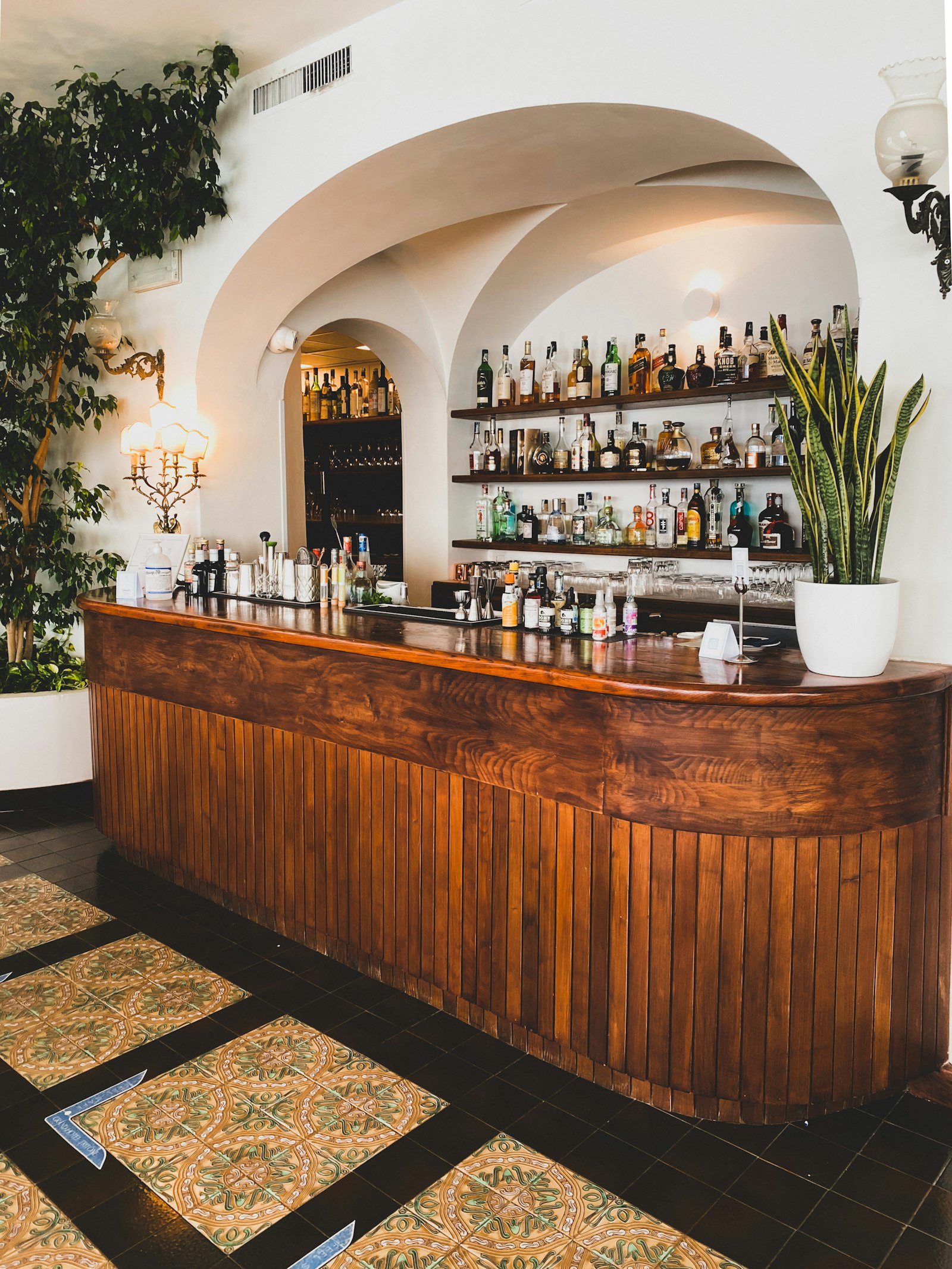
Standing is not a consolation prize. It is a normal part of bacaro culture, and many traditional places have little seating or none at all. You may see people eating from a plate balanced on a narrow shelf, a barrel, an outside ledge provided by the bar, or simply standing with a glass in one hand.
If there are tables, do not automatically assume they operate under the same system as the counter. A larger osteria-bacaro hybrid may have waiter service at tables, a different menu, or different charges. Ask posso sedermi? before settling in when the arrangement is unclear, especially if a table looks formally laid for lunch or dinner.
If your plan involves several food stops rather than one long meal, you can build your Italy itinerary around a short walk through San Polo, Cannaregio or another neighborhood rather than repeatedly crossing Venice just to reach famous names.
How to handle a crowded counter
At aperitivo time, a small bacaro can fill very quickly. There may not be a neat single-file queue. Notice who was waiting before you, move toward the counter when space opens, and have at least the first part of your order ready.
Do not stand directly in front of the food display for five minutes discussing every option with your group while other customers are trying to order. One person can order for everyone, then move aside once the plate and drinks are ready.
Likewise, after you have finished, return glasses and plates wherever the bar clearly expects them rather than leaving them on a random windowsill. If staff are collecting everything themselves, leave them in place.
How many should you order?
You do not have to commit to an entire meal. Two or three bites with a drink is a sensible first round, particularly if you want to try another bacaro afterward. If you are still hungry, order more.
This also protects you from the classic mistake of buying six bread-based cicchetti at the first stop and discovering a much more interesting seafood counter ten minutes later.
A giro d’ombre is the Venetian idea of moving between bars for small glasses of wine and food. It does not require a formal route, a tour, or a certain number of stops. Two good bars close together can work better than spending half the evening marching across bridges to complete somebody else’s checklist.
If you have allergies or dietary restrictions
Do not rely on appearance alone. A vegetable topping may include anchovy, a creamy mixture may contain dairy or egg, and fried items may share preparation areas with fish, shellfish or other allergens.
For a serious allergy, tell the staff explicitly before ordering: Ho un’allergia a… followed by the allergen. Ask about ingredients and possible cross-contact rather than simply pointing at something that appears suitable. In a crowded bar with a small preparation area, staff may tell you they cannot guarantee separation. Take that answer seriously and choose another place if necessary.
Luggage, strollers and reduced mobility
Traditional bacari can be extremely small. Turning up with a large suitcase is not prohibited by some universal Venetian rule, but it can make a narrow counter almost unusable. Avoid blocking the entrance, food case or passage to the toilets. If you are between your accommodation and the station with luggage, a larger bar or osteria is usually a more comfortable choice.
The same practical issue applies to strollers. A compact stroller may fit beside an outside table but be awkward inside a standing-room-only bar. Families do not need to avoid cicchetti, but choosing somewhere with visible seating is easier than trying to squeeze everyone around a packed counter.
For reduced mobility, do not assume that a famous standing bacaro is automatically the best option. Venice has osterie and wine bars where you can sit and order similar food. Door thresholds, steps and toilets vary considerably, so check the individual venue if step-free access matters.
Do you need to tip?
A percentage tip is not required for a quick counter order. Pay the stated bill. If you receive table service, check the menu and receipt for any listed service or cover charges rather than assuming the counter arrangement applies to the table.
If you particularly appreciated the service and want to leave a small extra amount, you can, but there is no need to add a restaurant-style percentage to every glass and cicchetto.
What changes late in the day
Do not assume every bacaro behaves like a late-night pub. Individual opening days and hours vary, and some traditional places close surprisingly early. Food selection can also shrink as prepared items sell out.
If you arrive late in Venice, check the current opening hours of the specific place before walking across several bridges for it. An establishment described online as a bacaro may also function as a full restaurant in the evening, with the quick counter selection reduced or finished.
Common mistakes and how to recover
- You sat at a table and nobody came. Go to the counter and ask ordino qui?
- You cannot understand the names of the food. Point and ask cos’è questo?
- You ordered only one piece but want more. Go back to the counter. Multiple small rounds are normal.
- You do not know whether the bill is open. Ask devo pagare? before leaving.
- The famous place is packed. Leave and try another bacaro nearby rather than spending a large part of your evening in a queue.
- The display looks nearly empty. Ask if more cicchetti are coming, but be prepared for the answer to be no. Many are prepared in batches rather than continuously replenished all night.
- You want a proper seated dinner. Choose an osteria or restaurant instead of trying to make a standing wine-bar counter behave like one.
The easiest rhythm is counter, point, drink, pay, eat, move on. Once you have done that once, the apparent chaos of a busy Venetian bacaro starts to make considerably more sense.